 By st20113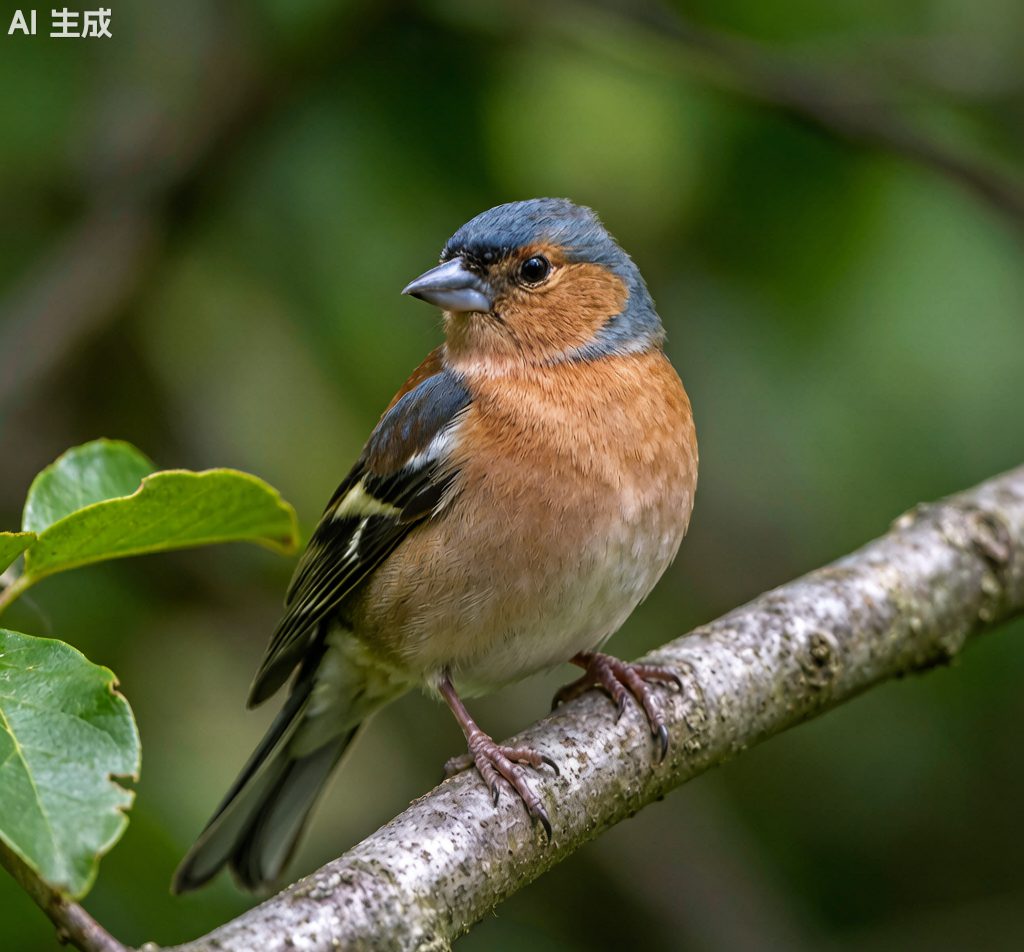
Introduction
The Common Chaffinch (Fringilla coelebs) is one of the most abundant and familiar songbirds in Europe, found in woodlands, gardens, and farmland. The male’s colorful plumage and bright song make it a favorite among birdwatchers. This adaptable finch forms large flocks outside the breeding season and migrates in substantial numbers from northern populations. Its widespread presence has made it a model species for ecological research.
The chaffinch’s adaptability to both pristine forest and human-modified landscapes has made it one of the most successful European songbirds. Its song dialects vary regionally, allowing researchers to study cultural evolution in birds. Large-scale monitoring of chaffinch numbers provides valuable data on environmental change across the continent.
Taxonomy
Fringilla coelebs belongs to the family Fringillidae, the true finches. The genus Fringilla contains the chaffinches and related island species. The common chaffinch is the most widespread member of its genus. Numerous subspecies are recognized across its vast range from Europe to North Africa and the Canaries. Genetic studies have clarified the species’ complex geographic variation.
Physical Characteristics
Chaffinches measure 14 to 16 centimeters in length and weigh 18 to 29 grams. Males have a blue-grey crown, chestnut back, and pinkish underparts, while females are duller olive-brown. The species has a white wing bar and outer tail feathers visible in flight. The common blackbird is larger and uniformly dark by comparison.
Habitat
The chaffinch occupies a wide range of wooded habitats including deciduous and coniferous forests, orchards, parks, and hedgerows. It prefers areas with trees for nesting and open ground for foraging. The species is common in both rural and suburban landscapes. The Eurasian jay shares similar woodland edges.
Diet
Chaffinches feed mainly on seeds, especially from trees and weeds, and insects during the breeding season. They forage on the ground, often in flocks, gleaning fallen seeds and invertebrates. The species plays a role in dispersing seeds of various plants. In winter, chaffinches form large mixed flocks with other finches at feeding sites.
Northern populations of chaffinches undertake long migrations, facing hazards from habitat loss along flyways. The species’ ability to exploit garden feeders aids survival during harsh winters. Changes in agricultural practices can alter seed availability, affecting local numbers. The chaffinch remains a common but monitored component of European biodiversity.
Reproduction
Breeding starts in spring, with males singing to defend territories. The female builds a neat cup nest in a tree or shrub, often camouflaged with lichen. Clutches of four to six eggs are incubated by the female for about two weeks. Both parents feed the young, which fledge after two weeks. The European robin often breeds in the same garden habitats.
Agri-environment schemes that maintain hedgerows and field margins benefit chaffinches and other farmland birds. The species gains from native tree planting that provides autumn seed resources. Monitoring of chaffinch populations helps detect early signs of environmental stress. The species’ adaptability makes it a relatively resilient member of European avifauna.
Conservation
The common chaffinch is abundant and not considered threatened, though agricultural intensification can reduce local numbers. The species benefits from hedgerow and woodland conservation. Monitoring of chaffinch populations provides insights into broader environmental health. The species is protected under European bird directives.
Fun Facts
The species name coelebs means “bachelor” because Linnaeus noted that Scandinavian females migrate while many males stay. The male’s song ends in a characteristic flourish that varies regionally. Chaffinches can distinguish between the songs of neighbors and strangers. The species’ flock formations during migration can number in the thousands. Chaffinches have been recorded using specific alarm calls that other species understand.
Chaffinches are among the first birds to sing at dawn, contributing to the characteristic dawn chorus of European spring. The species’ social flocks in winter include multiple finch species, enhancing predator detection. Chaffinches can switch diet rapidly in response to food availability, aiding survival in variable climates. The species’ familiarity has made it a gateway bird for many beginning naturalists.
[…] the common chaffinch and the Eurasian jay, it flourishes in wildflower-rich habitats across its broad European […]
[…] Its close relatives among European songbirds include familiar seeded specialists such as the common chaffinch and the European goldfinch, with which it often forages in […]
[…] 1758 and is the only species in its genus besides the chaffinches. It is most closely linked to the Common Chaffinch and the European Goldfinch, all members of the diverse family Fringillidae. The genus name […]
[…] apt for the male’s glowing breast. Among garden finches it is a relative of the Common Chaffinch and the European Goldfinch, all belonging to the family […]
[…] coveys through the winter, and it shares open habitats with other seed-eating birds such as the common chaffinch and the European goldfinch, though these occupy rather different niches within the farmed […]