 By st20113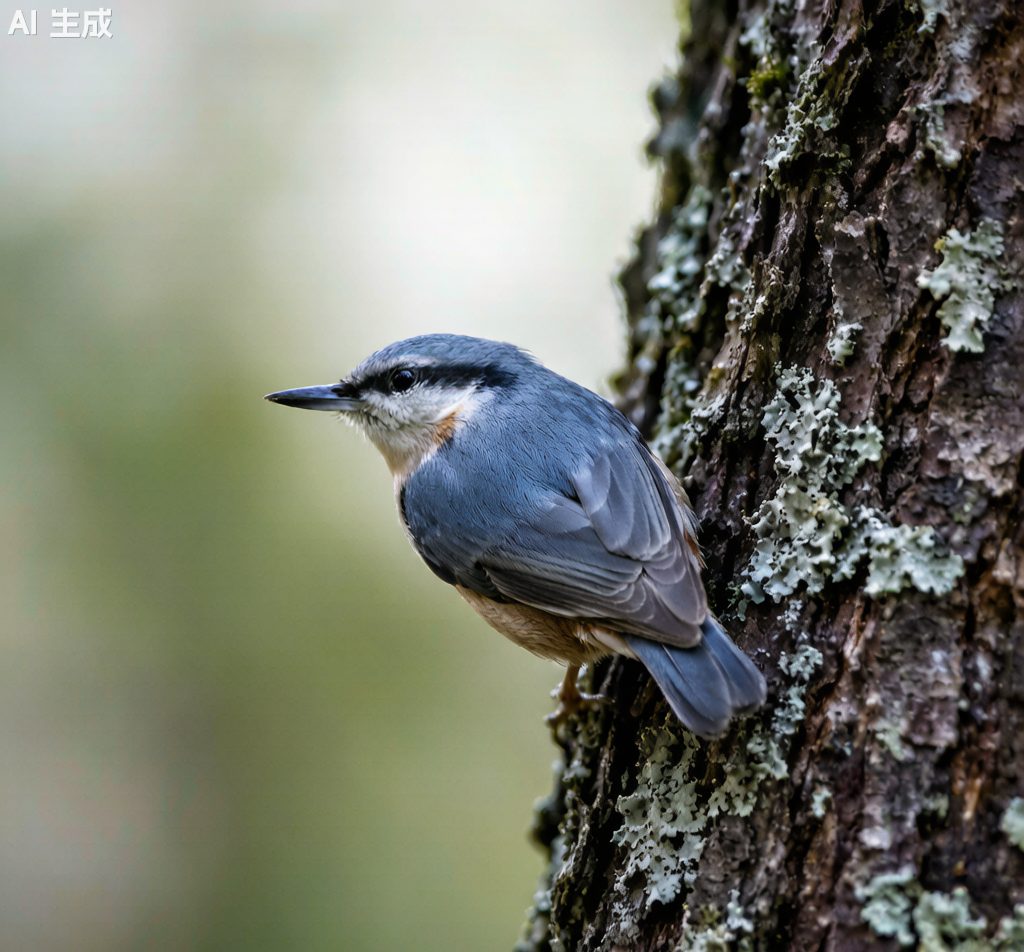
Introduction
The Eurasian Nuthatch (Sitta europaea) is a distinctive woodland bird known for its ability to climb down tree trunks head-first, a behavior unique among European birds. With its compact body, strong bill, and loud ringing calls, the nuthatch is a familiar resident of mature forests. This industrious species caches seeds and insects in bark crevices for later use. Its acrobatic foraging and nasal voice make it easy to identify.
The nuthatch’s resilience in fragmented woodlands makes it a useful indicator of forest health and connectivity. The species readily uses nest boxes, making it a common beneficiary of garden and woodland conservation efforts. Long-term studies of nuthatch populations have informed broad strategies for preserving cavity-nesting birds across Europe.
Taxonomy
Sitta europaea belongs to the family Sittidae, the nuthatches, a group of small passerines specialized for bark foraging. The genus Sitta contains numerous species across the Northern Hemisphere. The Eurasian nuthatch is the most widespread member in Europe. Several subspecies are recognized, differing subtly in plumage tone across its range.
Physical Characteristics
Nuthatches measure 14 centimeters in length and weigh 20 to 25 grams. They have blue-gray upperparts, a black eyestripe, and pale underparts that vary from white to chestnut. The bill is straight and powerful, adapted for hammering seeds. The common blackbird shares woodland habitats but forages on the ground.
Habitat
The species inhabits deciduous and mixed woodlands, parks, and mature gardens with old trees. It requires trees suitable for nesting cavities and bark foraging. The nuthatch is largely resident, defending territories year-round. The Eurasian jay often shares the same oak woodlands.
Research using nest boxes has shown that nuthatch breeding success increases with the availability of mature trees nearby. The species’ presence often coincides with other woodland specialists, making it a useful proxy for forest quality. Protecting connected woodland networks benefits nuthatches and countless associated species across Europe.
Diet
Nuthatches feed on insects, spiders, seeds, and nuts, especially beech mast and sunflower seeds. They wedge food into bark and hammer it open with their bill, giving the species its name. The birds cache surplus food, playing a role in forest regeneration through forgotten seeds. In winter, they readily visit bird feeders, joining mixed flocks with other species.
The nuthatch’s reliance on tree cavities means that the loss of deadwood in intensively managed forests reduces nesting opportunities. The species’ year-round territory defense highlights the importance of stable wooded habitats. Climate variability may shift the distribution of preferred tree species across the landscape.
Reproduction
Breeding begins in spring when pairs use natural tree holes or nest boxes. The female plasters the entrance with mud to reduce its size, a unique behavior among European birds. Clutches of five to eight eggs are incubated mainly by the female. Both parents feed the nestlings, which fledge after about three weeks. The European robin may nest nearby in the same woodland.
Retaining old trees with natural cavities and installing nest boxes supports nuthatch populations in managed forests. The species benefits from continuous woodland rather than isolated patches. Reducing pesticide use protects the insect prey that nuthatches rely on. The species’ tolerance of gardens makes urban green spaces valuable habitats.
Conservation
The Eurasian nuthatch is widespread and not threatened, with stable populations across much of its range. The species benefits from retention of old trees and deadwood. Conservation of mature woodlands supports nuthatches and many other cavity-dependent species. The species is protected under European legislation.
Fun Facts
The nuthatch is the only European bird that can walk head-first down a vertical tree trunk. Its mud-plastering behavior creates a custom-sized entrance that excludes larger competitors. The species can remember the locations of hundreds of cached seeds. Nuthatches have a distinctive loud call often transcribed as “twit”. The species’ short legs and strong toes give it exceptional grip on bark.
Nuthatches often wedge large seeds into bark and hammer them open, a behavior that leaves characteristic marks on trees. The species’ ability to descend head-first gives it exclusive access to prey others cannot reach. Nuthatches may use specific calls to warn of predators approaching their nest. The species’ presence enriches the soundscape of mature European woodlands year-round.