 By st20113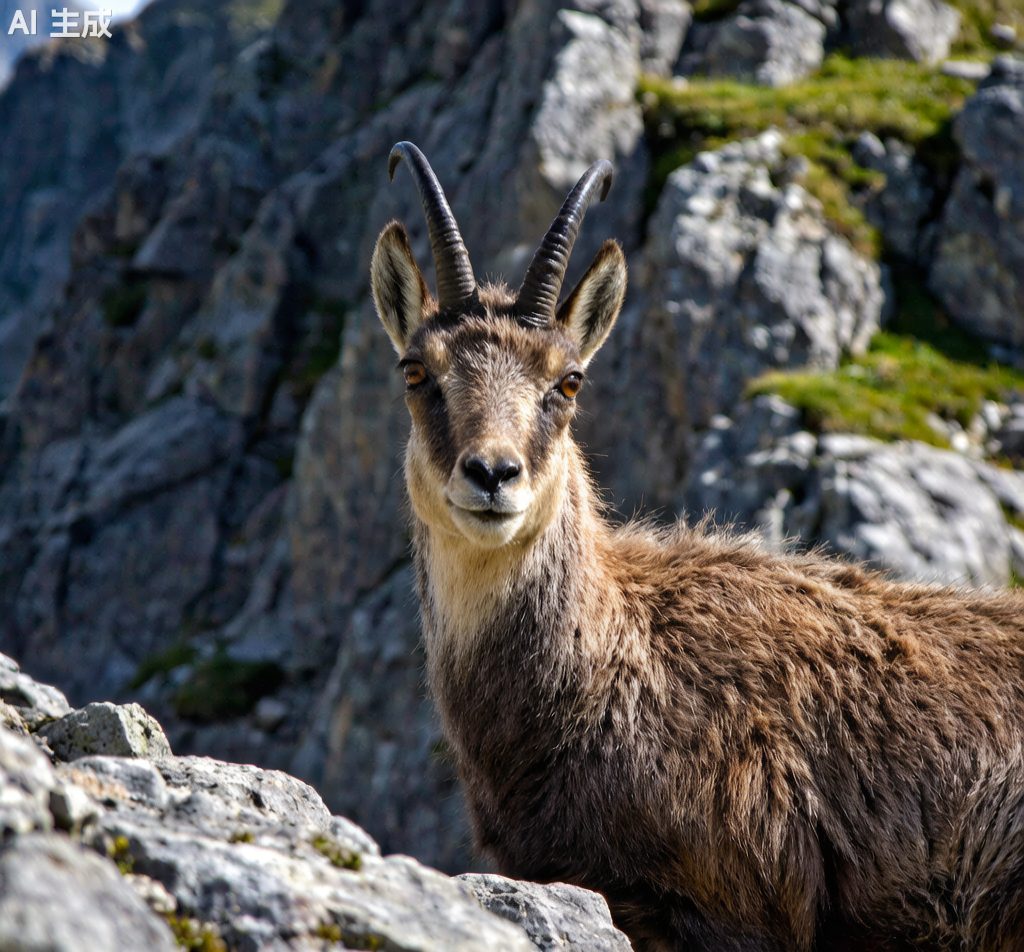
Introduction
The Chamois (Rupicapra rupicapra) is a slender, agile goat-antelope inhabiting the mountainous regions of Europe, from the Pyrenees and Alps to the Carpathians and Apennines. Renowned for its sure-footedness on precipitous cliffs, the chamois is a symbol of high-altitude wilderness. This herbivore forms herds that move seasonally between alpine meadows and lower forests. Its remarkable jumping ability allows it to evade predators across near-vertical terrain.
The chamois has been a culturally important species for mountain communities for millennia, providing meat, hide, and a symbol of alpine heritage. Modern ecotourism centered on wildlife watching now gives the species economic value while alive. Conservation translocation has helped reestablish populations in areas where it had disappeared.
Taxonomy
Rupicapra rupicapra belongs to the family Bovidae within the order Artiodactyla. The genus Rupicapra contains two species, the chamois and the Iberian ibex-like chamois (Rupicapra pyrenaica). Several subspecies of chamois are recognized across its fragmented mountain range. Genetic studies reveal distinct population structures corresponding to isolated mountain massifs. The species is more closely related to goats than to true antelopes.
Physical Characteristics
Chamois are compact ungulates standing 70 to 80 centimeters at the shoulder and weighing 25 to 50 kilograms. They have a reddish-brown summer coat that turns grayish-brown in winter, with a characteristic dark stripe running from the eyes to the muzzle. Both sexes bear short, hook-shaped horns that are ridged at the base. The roe deer shares mountain forests but is more slender.
Habitat
The chamois occupies alpine and subalpine zones, using open meadows for grazing and rocky outcrops for refuge. In summer it ascends to high pastures; in winter it descends to coniferous forest edges. The species requires large, undisturbed mountain areas with spatial connectivity. The red deer often shares the same seasonal ranges at lower elevations.
Diet
Chamois are selective grazers and browsers, feeding on grasses, herbs, leaves, and shoots. In winter they rely on lichens, mosses, and bark when snow covers vegetation. The species uses its prehensile lips to select nutritious plant parts. Chamois compete little with red fox as the fox is not a direct food competitor. Their efficient digestion allows survival in nutrient-poor alpine environments.
Mountain roads and ski infrastructure can fragment chamois habitat, making wildlife crossings and careful planning important. The species’ seasonal migrations require protected movement corridors that connect summer and winter ranges. Climate change may alter alpine vegetation, adding uncertainty to future conservation planning.
Reproduction
Mating occurs in late autumn, with males establishing dominance through horn wrestling. After a gestation of about 170 days, females give birth to a single kid in spring. Kids are remarkably precocious, able to follow the mother across cliffs within days. The red fox may prey on isolated young.
Protecting chamois requires balancing tourism, hunting, and habitat connectivity across mountain ranges. Seasonal closures of sensitive areas during breeding and winter reduce disturbance. International cooperation is essential because populations span multiple countries and protected areas. The species’ future depends on maintaining large, connected alpine landscapes.
Conservation
The chamois is generally widespread and not globally threatened, though some subspecies are localized or declining. Historically heavily hunted, populations have recovered under protection in many areas. Conservation focuses on maintaining migratory corridors and limiting disturbance from tourism and infrastructure. The species is a key indicator of healthy mountain ecosystems.
Fun Facts
The chamois can leap up to 2 meters vertically and 6 meters horizontally in a single bound. Its specialized hooves have rubber-like pads that grip rock and hard edges that dig into snow. Chamois have excellent vision adapted to detecting movement across vast slopes. The species’ name is the root of the word “chamois” leather, made from its hide. Chamois communicate alarms through a sharp whistle that alerts entire herds to danger.
Interestingly, the chamois’ reflexive jumping when startled can trigger a chain reaction across a herd, with dozens of animals bounding in unison across cliffs. The species’ curved horns are used in dramatic dominance contests between males each autumn. Chamois can survive harsh winters by lowering their metabolic rate and relying on fat reserves built during summer.