 By st20113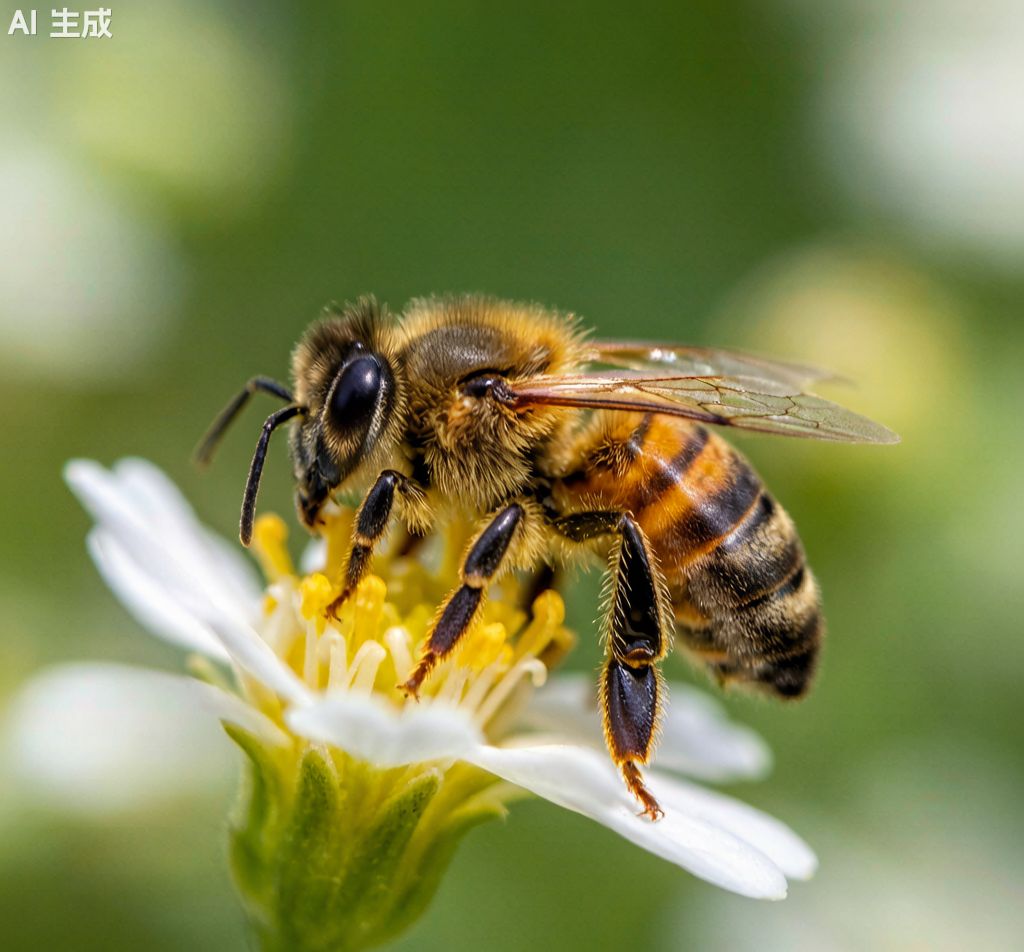
Introduction
The European Honey Bee (Apis mellifera) is perhaps the most important pollinator in the world and a cornerstone of both natural ecosystems and human agriculture. This social insect has been managed by humans for thousands of years for honey, wax, and pollination services. The European honey bee is native to Europe, Africa, and the Middle East but has been introduced worldwide. Its complex social organization and communication have fascinated scientists for centuries.
The honey bee’s relationship with flowering plants has co-evolved over millions of years, shaping the diversity of many ecosystems. Its economic value through crop pollination is estimated in the billions of dollars annually. Public interest in bee conservation has surged in recent years.
Taxonomy
Apis mellifera belongs to the family Apidae within the order Hymenoptera. The genus Apis contains several honey bee species, with the European honey bee being the most widely distributed. Numerous subspecies and races have been described across its native range, adapted to local climates. Genetic studies have revealed the evolutionary history of honey bee domestication.
Physical Characteristics
European honey bees are small, measuring 10 to 15 millimeters in length. Workers are golden-brown with dark brown bands across the abdomen and fuzzy thoraxes. The species has two pairs of membranous wings, compound eyes, and a barbed stinger in workers. Drones are larger with bigger eyes, while the queen is elongated for egg laying. The seven-spot ladybird shares garden habitats as a beneficial insect.
Habitat
Honey bees inhabit a wide range of environments from wild forests to agricultural landscapes and urban gardens. In nature, colonies nest in tree cavities or rock crevices; managed colonies live in hives. The species requires abundant flowering plants for forage and water sources. Bees forage across several square kilometers around the hive. The European robin may nest near apiaries in gardens.
Diet
Honey bees feed on nectar and pollen from flowers. Nectar provides carbohydrates for energy and is converted into honey for storage. Pollen supplies proteins, lipids, and vitamins essential for brood development. Worker bees collect these resources and communicate flower locations through the famous waggle dance. The species is a key pollinator of wild plants and crops, supporting biodiversity and food production.
Reproduction
Colony reproduction occurs through swarming, when a queen leaves with a group of workers to establish a new nest. The old colony raises a new queen from a selected larva. Queens mate with multiple drones during a single mating flight and store sperm for life. A healthy colony may contain 20,000 to 60,000 individuals. The species’ social structure is among the most complex in the animal kingdom.
Planting diverse native flowering species that bloom across the season provides continuous forage for honey bee colonies. Reducing neonicotinoid use near apiaries improves colony health and survival. Supporting local beekeepers strengthens both agricultural pollination and conservation awareness.
Conservation
While the European honey bee is not endangered, managed populations face challenges from pests, diseases, pesticides, and habitat loss. Wild honey bee populations are less studied but also at risk. Conservation efforts include reducing pesticide use, planting pollinator-friendly vegetation, and managing bee health. The species is vital for global food security and ecosystem stability.
Fun Facts
Honey bees perform a waggle dance that encodes the direction and distance of food sources relative to the sun. A single bee may visit up to 5,000 flowers in one day and produce only a fraction of a teaspoon of honey in its lifetime. The species’ hive temperature is regulated to within one degree through collective fanning and clustering. Honey bees have been trained to detect explosives and diseases due to their sensitive olfactory systems. The European honey bee’s communication system was one of the first non-human languages deciphered by scientists.
Honey bees maintain a constant hive temperature of about 35 degrees Celsius even in winter by vibrating flight muscles. The species’ ability to learn and remember flower locations is remarkable for an insect brain. Protecting honey bees and wild pollinators is now a global conservation priority with wide public support.
[…] They spray formic acid from the tip of the abdomen instead. Its most familiar relative is the European Honey Bee. The two insects share far more than a taste for […]
[…] had. The pale honey of Mount Hymettus, outside Athens, was famous across the sea. Keeping the European honey bee was a serious business. Honey kept fruit and cured wounds. Cakes soaked in it were given to gods. […]