 By st20113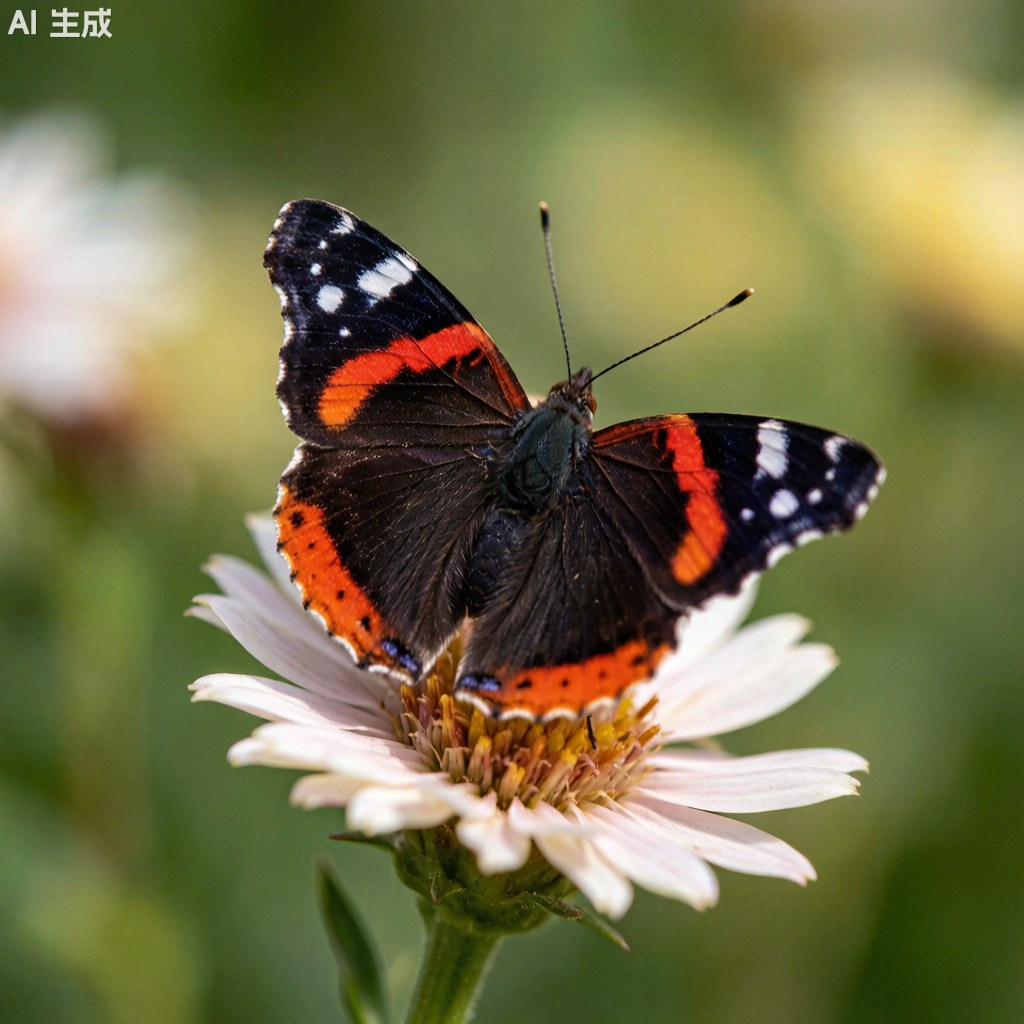
Introduction
The red admiral, scientifically Vanessa atalanta, is one of the most striking butterflies of Europe and North America. Its wings display deep black with vivid red bands and white spots, making it unmistakable as it flits through gardens, woodlands, and coastal paths. A strong, fast flier, it is equally at home nectaring on flowers or feeding on rotting fruit and tree sap. Few garden visitors are as bold and beautiful as this familiar migrant.
Taxonomy
The red admiral belongs to the family Nymphalidae, the brush-footed butterflies, within the genus Vanessa. It is a distant relative of pollinating insects such as the honey bee, though butterflies and bees have followed different evolutionary paths. The genus Vanessa includes several well-known migratory butterflies. The species name atalanta refers to the swift, athletic huntress of Greek mythology, fitting for such an agile flier.
Physical Characteristics
With a wingspan of 5 to 7 centimeters, the red admiral has broad black forewings marked with a diagonal red band and white spots near the tips. The hindwings are black with a red marginal band and row of small blue crescents. The underside is mottled brown and grey, providing camouflage when the butterfly rests with wings closed. Its body is furry and dark, and the antennae end in distinct clubs. The contrasting colors warn of its speed and agility rather than toxicity.
Habitat
Red admirals occupy a wide range of habitats, including gardens, parks, woodlands, orchards, hedgerows, and coastal areas. They are strongly attracted to flowering plants, ripe fruit, and fermenting sap, often gathering where food is abundant. In cooler regions many individuals migrate south in autumn and return north in spring, though some may hibernate as adults in sheltered spots. Their adaptability lets them exploit both wild and urban landscapes with ease.
Diet
Adults feed on nectar from flowers such as buddleia, thistles, and ivy, but they are especially fond of decaying fruit, tree sap, and even dung, which provide essential minerals. Caterpillars feed exclusively on nettles, particularly stinging nettle, on which the eggs are laid. The butterfly’s varied adult diet makes it a frequent and welcome visitor to compost heaps and windfall apples. As a nectar feeder, it also contributes to the pollination of many garden plants.
Reproduction
Females lay single eggs on the upper surface of nettle leaves. The caterpillars are solitary, constructing leafy shelters by folding the edges of a leaf around themselves. They pupate in a chrysalis that may be green or grey, hanging from a stem or wall. Depending on temperature, adults emerge after two to three weeks and may produce several generations through the warmer months. The migratory nature of the species means populations are constantly replenished across its range.
Conservation
The red admiral is widespread and not considered threatened, classified as Least Concern across its global range. Its reliance on nettles and flowering plants means that untidy, wildlife-friendly gardens benefit it greatly. While habitat loss affects many insects, this butterfly’s mobility and generalist diet have buffered it from serious decline. Planting nectar sources and leaving nettle patches helps support its populations in both town and countryside.
Fun Facts
Red admirals are powerful migrants, with some individuals crossing the English Channel or the North Sea each year. They will perch on a person’s hand to sip minerals from sweat. The caterpillars’ nettle diet makes them experts at ignoring the plant’s stings. Adults often bask with wings open to absorb sunlight. On warm autumn days they gather in numbers before setting off on their southward journey. The species overwinters as an adult in hollow trees, sheds, and cellars where it enters a dormant state. Its caterpillars are masters of disguise, hiding inside rolled nettle leaves. The butterfly’s red bands may startle birds enough to buy precious escape time. Gardeners who plant ivy and buddleia report the most frequent and prolonged visits. On calm autumn afternoons, dozens may gather on a single fermenting fruit to feed.
[…] red admiral butterfly is a frequent garden companion of the hummingbird hawk-moth, with both migrating north […]
[…] featuring in folklore, art, and scientific illustration across Europe.the small tortoiseshell, the red admiral, and the comma butterfly frequently coexist with the peacock butterfly across shared landscapes, […]
[…] flies in the same open habitats as the Red Admiral and the Peacock Butterfly, and where meadow flowers abound it meets the Small Tortoiseshell among […]