 By st20113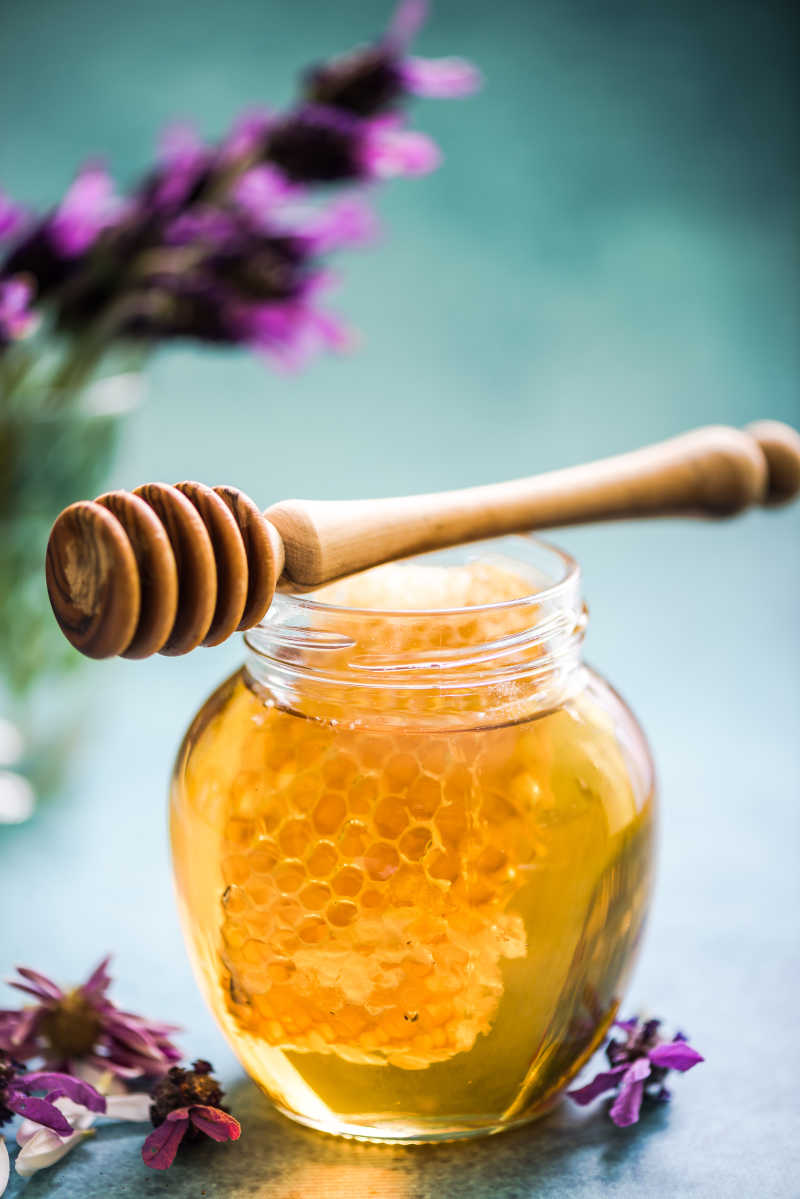
The Honey Bee (Apis mellifera), also known as the Western Honey Bee, is one of the most economically important insects on the planet. Renowned for its remarkable social organization, its production of honey and beeswax, and its critical role as a pollinator of agricultural crops and wild plants, the honey bee has been intricately connected to human civilization for thousands of years. Native to Europe, Africa, and parts of Western Asia, the honey bee has been introduced to nearly every continent as a managed pollinator, making it one of the most widespread and influential insects in the world.
Physical Characteristics
The European honey bee (Apis mellifera) is a moderately sized insect, with workers measuring approximately 10–15 mm in length and queens reaching 18–20 mm. Its body is covered in fine hairs that give it a fuzzy appearance and serve important functions in pollen collection and thermoregulation. The bee’s body is divided into three segments — head, thorax, and abdomen — each specialized for different functions. The head houses two large compound eyes that provide excellent motion detection, three small simple eyes (ocelli) on the top for detecting light intensity, and a pair of antennae used for sensing chemical signals, vibrations, and temperature.
The honey bee’s coloration consists of alternating bands of amber-brown and black across the abdomen, with a covering of pale hairs that creates the characteristic golden-brown fuzzy appearance. Like all insects, the honey bee has six legs, with the rear pair specially adapted for carrying pollen — shaped into concave “pollen baskets” (corbiculae) that allow workers to pack and transport pollen back to the hive. Its two pairs of translucent wings are finely veined and can beat approximately 200 times per second during flight, enabling the bee to travel at speeds of up to 24 km/h (15 mph).
Social Structure and Caste System
The honey bee colony is one of the most sophisticated examples of social organization in the animal kingdom. A typical colony contains three distinct castes, each with specialized roles: a single reproductive queen, thousands of sterile female workers, and during the breeding season, hundreds of male drones. The division of labor within the worker caste is itself age-related: young workers (nurse bees) tend the brood and maintain the hive, while older workers transition to foraging duties outside the hive.
The queen is the colony’s sole fertile female and the mother of all bees in the hive. She can live for 3–5 years and lay up to 2,000 eggs per day during peak season — a total that can exceed 200,000 eggs in a single year. The queen produces a complex cocktail of chemical signals called queen mandibular pheromone that regulates the behavior of the entire colony, preventing workers from developing their reproductive systems and maintaining social cohesion. When a queen dies or becomes inadequate, workers raise a new queen by feeding a selected larvae exclusively on royal jelly, a nutrient-rich secretion produced by young worker bees.
Pollination and Ecological Importance
Honey bees are among the most important pollinators on Earth, responsible for pollinating approximately 70–80% of all flowering plants, including a significant portion of the crops that feed human populations. Sunflowers, almonds, apples, blueberries, cucumbers, sunflowers, and countless other fruits and vegetables depend heavily on bee pollination for successful reproduction. The economic value of honey bee pollination services worldwide is estimated at hundreds of billions of dollars annually, making bees arguably the most economically valuable insects on the planet.
Honey bees are generalist foragers, visiting a wide variety of flowering plants and transferring pollen between flowers as they collect nectar. This non-specialized foraging behavior makes them particularly valuable as pollinators compared to specialist bee species that only visit one or a few plant species. A single forager may visit 50–100 flowers on a typical foraging trip and can travel up to 8 km (5 miles) from the hive in search of nectar and pollen.
Honey Production
Honey is the result of one of the most remarkable biological processes in nature. Forager bees collect nectar — a sugar-rich liquid produced by flowers — and store it in a specialized honey stomach (the crop) separate from their digestive stomach. Enzymes in the bee’s saliva begin breaking down the complex sugars in nectar during the return flight to the hive. Back at the hive, the nectar is passed mouth-to-mouth from forager to house bee in a process called trophallaxis, further enzymatic conversion occurring with each transfer. The bees then spread the nectar across the honeycomb cells, fanning their wings vigorously to evaporate excess water. When the water content drops below 18%, the honey is considered ripe and the bees seal the cell with a wax cap for long-term storage.
A single bee colony may store 20–60 kg (45–130 lbs) of honey in a productive year, though they only consume approximately 10–15% of their stores, leaving the remainder for beekeepers to harvest. The exact flavor, color, and aroma of honey depend on the floral sources the bees have foraged from, resulting in an extraordinary diversity of honey varieties ranging from the pale, mild clover honey to the dark, robust buckwheat honey.
Colony Collapse Disorder
One of the most pressing threats to honey bee populations worldwide is Colony Collapse Disorder (CCD), a phenomenon first formally described in 2006 characterized by the sudden disappearance of adult worker bees from a colony, leaving the queen, immature bees, and food stores behind. While bee colonies have naturally fluctuated in strength over history, the accelerated rate of colony losses since the early 2000s has raised serious alarm among scientists, beekeepers, and agricultural experts.
The causes of CCD are widely believed to be multifactorial, involving a combination of factors including pesticide exposure (particularly neonicotinoid insecticides), habitat loss and poor nutrition, pathogens and parasites such as the devastating Varroa mite, and the stress of commercial beekeeping practices such as frequent transportation of hives for migratory pollination services. Addressing the bee crisis requires coordinated action across agricultural, environmental, and policy domains to reduce pesticide use, restore diverse pollinator habitats, and support sustainable beekeeping practices.
interconnected food webs in which organisms may occupy multiple trophic levels simultaneously. The honey bee, for example, occupies a complex position in both agricultural and natural ecosystems: as a
that likely lived in Africa before some populations dispersed northward into Europe and Asia. The Honey Bee and the mantis, though unrelated, have both been extensively studied for their remarkable sensory
[…] black marking on the face between the compound eyes. Similar social complexity is seen in the honey bee, which shares the wasp’s highly organized colony structure and division of […]
[…] adapted for jumping and the long antennae that can exceed the length of the entire body. Like the honey bee, the cricket uses sensory perception to navigate its environment with remarkable […]
[…] Both adults and larvae are dedicated predators of soft-bodied insects, especially aphids but also scale insects, mites, and small caterpillars. A ladybird can consume dozens of aphids a day, and the spiky larva is if anything an even more efficient hunter than the adult. By suppressing pest numbers they protect crops and garden plants, reducing the need for chemical sprays. They also eat pollen and nectar when prey is scarce, linking them loosely to pollinators such as bees, and in autumn they switch to feasting on abundance, building fat reserves before the cold sets in. Honey Bee. […]
[…] scientific name Bombus terrestris was assigned by Linnaeus in 1758. It is closely related to the honey bee, though bumblebees live in much smaller annual colonies and do not store large honey reserves. […]
[…] butterflies, within the genus Vanessa. It is a distant relative of pollinating insects such as the honey bee, though butterflies and bees have followed different evolutionary paths. The genus Vanessa includes […]
[…] It is related to other colourful garden butterflies and shares flowers with pollinators such as the honey bee, though the butterfly feeds on nectar with a long proboscis rather than collecting pollen like the […]
[…] within the genus Parus. It is related to a cluster of small, acrobatic woodland birds. Like the honey bee and other flower visitors, it plays a part in the broader community of invertebrates and the […]