 By st20113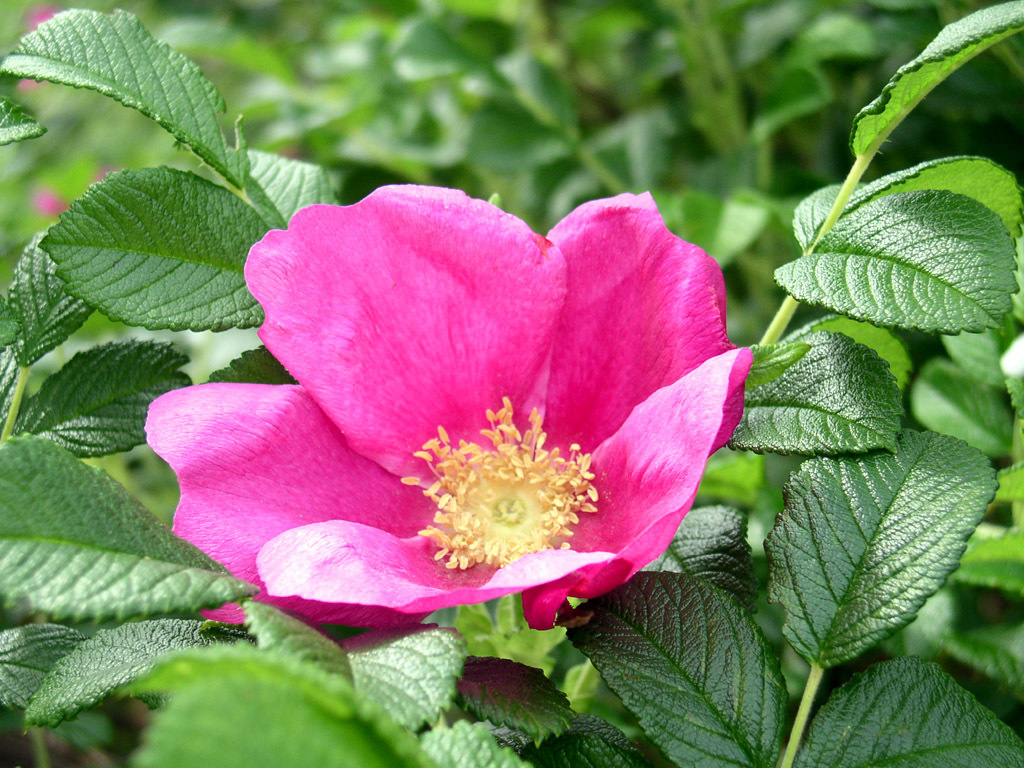
The Rose (Rosa spp.) is one of the most beloved and widely cultivated flowering plants on Earth, with a history of cultivation stretching back at least 5,000 years to ancient China and Mesopotamia. Roses belong to the genus Rosa within the family Rosaceae, which includes over 300 species and tens of thousands of cultivated varieties (cultivars) developed over millennia of horticultural breeding. From the wild roses of temperate forests — simple, five-petaled flowers in shades of white, pink, and red — humans have developed an extraordinary diversity of forms, including hybrid teas with large, high-centered blooms, floribundas with clusters of smaller flowers, climbing and rambling roses, and miniature roses bred for containers and borders. Roses are grown for their beauty and fragrance, for the production of rose oil and rose water used in perfumery and cosmetics, for medicinal applications, and as an important crop in the global cut flower industry, generating billions of dollars in annual revenue worldwide.
Biology and Anatomy
Wild roses are deciduous shrubs typically growing 1–5 meters in height, with thorny (technically prickles — modified stipules) stems that provide some defense against herbivores. The compound leaves have 3–9 leaflets with serrated edges and are arranged alternately on the stem. The flowers, which range from simple 5-petaled forms in wild species to densely double-petaled blooms in cultivated varieties containing 50 or more petals, are pollinated primarily by bees — including the Honey Bee (Apis mellifera) and numerous wild bee species — which are attracted to the flower’s bright colors, strong fragrance, and abundant nectar and pollen rewards. This relationship between roses and their bee pollinators exemplifies the pollination mutualism that underpins the reproduction of the majority of flowering plants on Earth.
The process of pollination in roses follows the general pattern of insect-mediated pollination: bees visiting the rose flower for nectar and pollen brush against the male anthers (pollen-producing structures), accumulating pollen on their bodies, which they then transfer to the female stigma of the next rose flower they visit. This cross-pollination between genetically distinct rose plants promotes genetic diversity and produces viable seeds encased in the rose hip — the fruit of the rose plant, typically a red, orange, or sometimes yellow or black berry-like structure that develops from the fertilized flower and contains the seeds. Rose hips are rich in vitamin C — containing approximately 20 times more vitamin C per gram than oranges — and are consumed by a wide variety of birds and mammals, which disperse the seeds in their droppings.
Pollination Ecology and Honey Production
Rose cultivation is intimately connected to the pollination services provided by bees. Commercial rose growers increasingly rely on managed honey bee colonies to ensure adequate pollination of their crops, particularly in greenhouse rose production where natural pollinator populations are absent. Research has demonstrated that bee-pollinated rose plants produce significantly more flowers and have higher quality blooms than plants that depend on wind pollination alone, illustrating the economic value of pollinator services to the ornamental horticulture industry. In addition to bees, other pollinators including butterflies, hoverflies, and beetles visit rose flowers and contribute to pollination, demonstrating the importance of maintaining diverse pollinator communities in and around rose cultivation areas.
Roses also contribute to pollination services in the broader ecosystem through their role as nectar and pollen sources for wild pollinators. Wild rose species blooming in hedgerows, meadows, and forest edges provide important early-season food resources for bees, butterflies, and other pollinating insects that in turn pollinate agricultural crops and wild plants. This ecological interconnection — between ornamental plants, wild pollinators, agricultural productivity, and overall ecosystem health — exemplifies the concept of ecosystem services: the economically valuable benefits that natural systems provide to human societies, often without compensation or recognition.
Cultural and Economic Significance
The rose’s cultural significance is unmatched by any other flowering plant. Since ancient civilizations, roses have symbolized love, beauty, war, politics, and religion across diverse cultures from ancient Greece and Rome to China, Persia, and medieval Europe. The Wars of the Roses in 15th-century England — the dynastic conflict between the House of Lancaster (symbolized by the red rose) and the House of York (symbolized by the white rose) — gave the rose its enduring association with political conflict and resolution. Today, the rose remains the world’s most economically significant ornamental plant, with a global cut flower market valued at over $40 billion annually. Rose oil, extracted from rose petals through steam distillation, commands prices exceeding $10,000 per kilogram, making it one of the most valuable essential oils in the world and a cornerstone of the fragrance industry.