 By st20113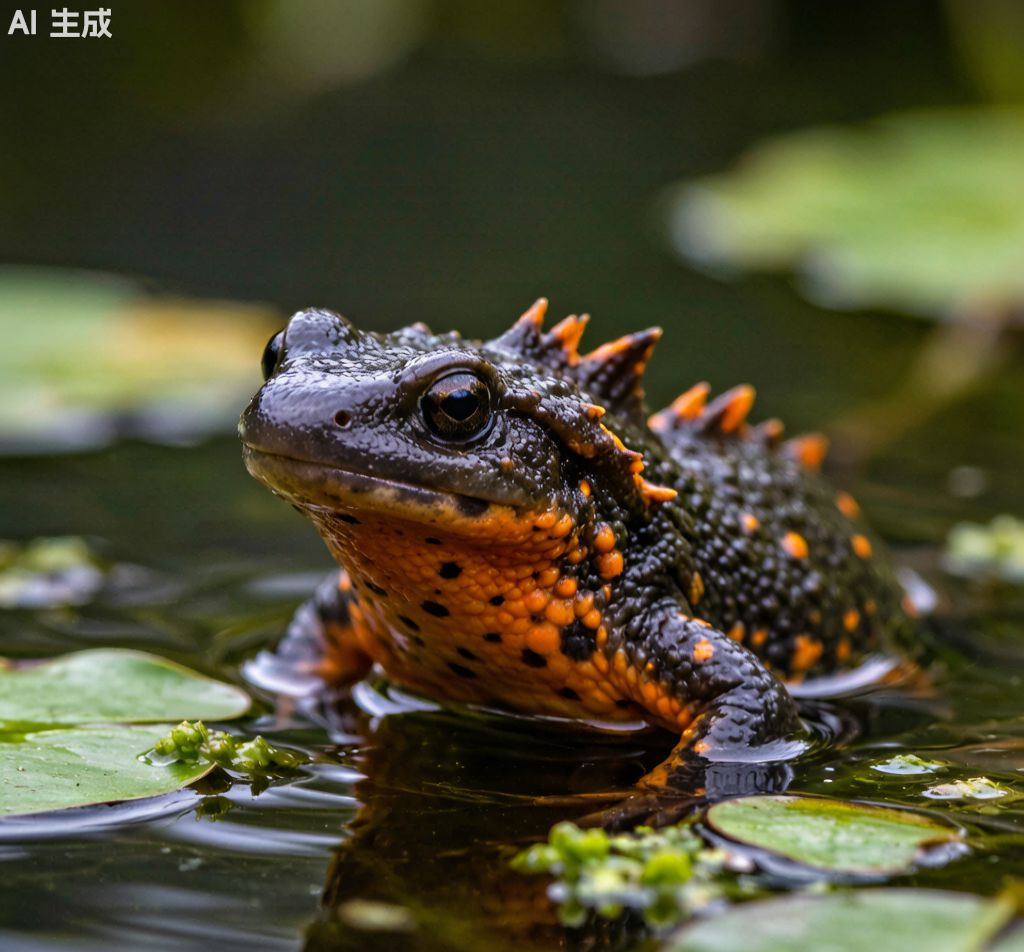
Introduction
The Northern Crested Newt (Triturus cristatus), also known as the great crested newt, is the largest newt species in Europe and one of the most strictly protected amphibians on the continent. This impressive amphibian is known for the male’s spectacular jagged crest during the breeding season. The northern crested newt inhabits ponds and lakes across Europe, where it undergoes an extraordinary transformation from aquatic breeder to terrestrial forager. Its decline due to pond loss has made it a priority species for conservation.
The northern crested newt’s strict protection status reflects decades of decline from pond loss across Europe. It is now a focus of many pond restoration projects that benefit countless other freshwater species. The species’ reliance on both aquatic and terrestrial habitats makes it an excellent indicator of landscape-scale health.
Taxonomy
Triturus cristatus belongs to the family Salamandridae, the true salamanders and newts. The species is part of a complex of crested newts that were once considered a single species. The northern crested newt is distinguished by its large size and warty skin. Genetic studies have clarified the boundaries between crested newt species across Europe.
Physical Characteristics
Northern crested newts are large, reaching 12 to 17 centimeters in total length. The body is dark brown or black with a contrasting orange or yellow belly marked with black spots. During breeding season, males develop a continuous, serrated crest along the back and tail. The skin is warty compared to the smooth newt. The smooth newt is smaller and lacks the dramatic crest.
Habitat
This species requires clean, fish-free ponds for breeding and terrestrial habitats such as woodland, grassland, and scrub for foraging and hibernation. The newts migrate between aquatic and terrestrial habitats seasonally, sometimes traveling several hundred meters. The species is sensitive to pollution and the presence of predatory fish. The common toad often shares the same breeding ponds.
Diet
Adult newts feed on a variety of aquatic invertebrates including insects, crustaceans, and worms during the breeding season. On land, they consume earthworms, slugs, and terrestrial insects. Larvae feed on small aquatic prey and tadpoles. The species is an opportunistic predator that uses a projectile tongue to capture prey. Newts play a role in controlling invertebrate populations in pond ecosystems.
Newts exhibit phenotypic plasticity, with individuals from different regions showing variation in size and crest development. This variation reflects local adaptation to pond and climate conditions. Studying such plasticity helps predict responses to environmental change.
Reproduction
Breeding occurs in spring when newts migrate to ponds. Males perform a courtship display, waving their crest and depositing a spermatophore that the female picks up. Females lay individual eggs, folding them into pond plant leaves for protection. Larvae metamorphose after three to four months. The grass snake is a major predator of both adults and larvae.
Pond management that avoids fish stocking and maintains nearby terrestrial cover is critical for breeding success. Seasonal pond creation on farmland can reconnect fragmented populations across landscapes. Volunteer monitoring programs have been instrumental in tracking the species’ recovery.
Conservation
The northern crested newt is strictly protected under European law, including the Habitats Directive. Populations have declined due to pond drainage, pollution, and habitat fragmentation. Conservation involves pond creation, management, and legal protection of sites. Captive breeding and translocation programs support local populations. The species is a flagship for freshwater habitat conservation.
Fun Facts
The male’s crest is not just decorative; it helps direct pheromones toward the female during courtship. Great crested newts can live for over 20 years in the wild. The species has remarkable homing ability, returning to the same ponds year after year. Their bright belly coloration serves as a warning to predators that they produce toxic skin secretions. The northern crested newt can remain underwater for extended periods using cutaneous respiration.
During courtship, the male’s crest and tail undulations create a visual display enhanced by pheromone release in the water. Newt larvae are fierce predators of tadpoles and small invertebrates, shaping pond community structure. The species’ decline and recovery story is central to European amphibian conservation.