 By st20113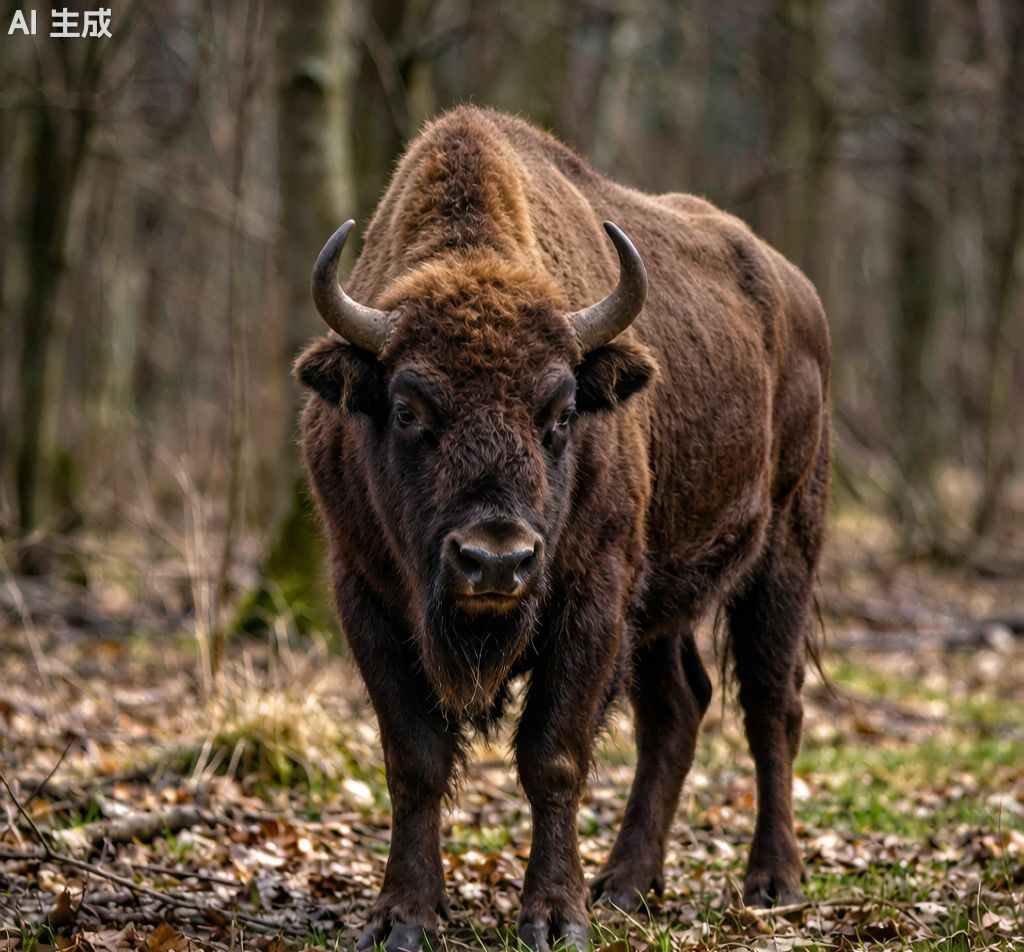
Introduction
The European Bison (Bison bonasus), also known as the wisent, is the heaviest land mammal in Europe and the continent’s only native wild cattle species. Once driven to complete extinction in the wild in the early 20th century, the species has been brought back through captive breeding and reintroduction programs. Today, free-ranging herds roam forests in Poland, Belarus, and several other European countries. The European bison is a keystone species whose grazing shapes forest dynamics and creates habitat for countless other organisms.
The recovery of the European bison represents a remarkable turnaround from the brink of extinction, with international cooperation spanning multiple countries. Today the species serves as a flagship for forest conservation and ecotourism in many regions. Careful genetic management remains essential to avoid inbreeding in small herds.
Taxonomy
Bison bonasus belongs to the family Bovidae within the order Artiodactyla. The species is most closely related to the American bison (Bison bison), with which it can produce hybrids. European bison are divided into two major lineages, the Lowland and the smaller Caucasus subspecies, though most modern populations derive from the Lowland line. Genetic diversity remains a conservation concern due to the small number of founding animals.
Physical Characteristics
European bison are massive animals, with males weighing 400 to 920 kilograms and females 300 to 540 kilograms. They stand 1.8 to 2.1 meters at the shoulder. The coat is dark brown with a lighter underside, and males develop a distinctive beard and mane. The forequarters are notably more massive than the hindquarters, giving the species a characteristic hump. Both sexes possess short, curved horns. The red deer is another large herbivore sharing forest habitat but is more slender.
Habitat
The European bison inhabits deciduous and mixed forests, forest-steppe, and open glades where it can graze. The species requires large protected areas with minimal human disturbance. Reintroduced populations thrive in the Białowieża Forest spanning Poland and Belarus, as well as in the Caucasus and various European reserves. Herds undertake seasonal movements between forest cover and open meadows. The wild boar often shares the same forest environment.
Diet
European bison are primarily grazers and browsers, feeding on grasses, herbs, shoots, leaves, bark, and twigs. In summer they consume abundant grasses and forbs, while winter diet shifts to woody vegetation and bark. The species requires daily access to water and mineral licks. Bison play an important ecological role by dispersing seeds and creating disturbances that benefit other species. They compete little with roe deer due to different feeding heights.
Reproduction
Mating occurs in late summer and autumn, with calves born after a gestation of about 264 days. Females typically give birth to a single calf in spring. Calves are mobile within hours and remain with the mother for over a year. Males reach sexual maturity at three to four years. The species forms mixed herds of females and young, while adult males are often solitary except during the rut.
Conservation
The European bison was saved from extinction through one of the most successful conservation breeding programs in history. From only 54 individuals in the 1920s, the global population now exceeds 7,000 animals. However, the species remains vulnerable due to limited genetic diversity and reliance on active management. Conservation priorities include maintaining genetic health, expanding habitats, and reducing collisions with vehicles.
Fun Facts
The European bison is the national animal of Poland and Belarus. Unlike the American bison, the European bison is more closely related to cattle than to other wild bovines. The species can run at speeds up to 40 kilometers per hour despite its bulk. European bison communicate through subtle vocalizations, body postures, and scent marking. The species’ recovery is considered one of conservation’s greatest success stories.
Bison herds often create open glades in forests through their grazing, inadvertently benefiting many plant and insect species that require light. The species’ dung supports a diverse community of beetles and fungi, illustrating its role as an ecosystem engineer. Rewilding projects increasingly use European bison to restore natural processes in lowland landscapes.