 By st20113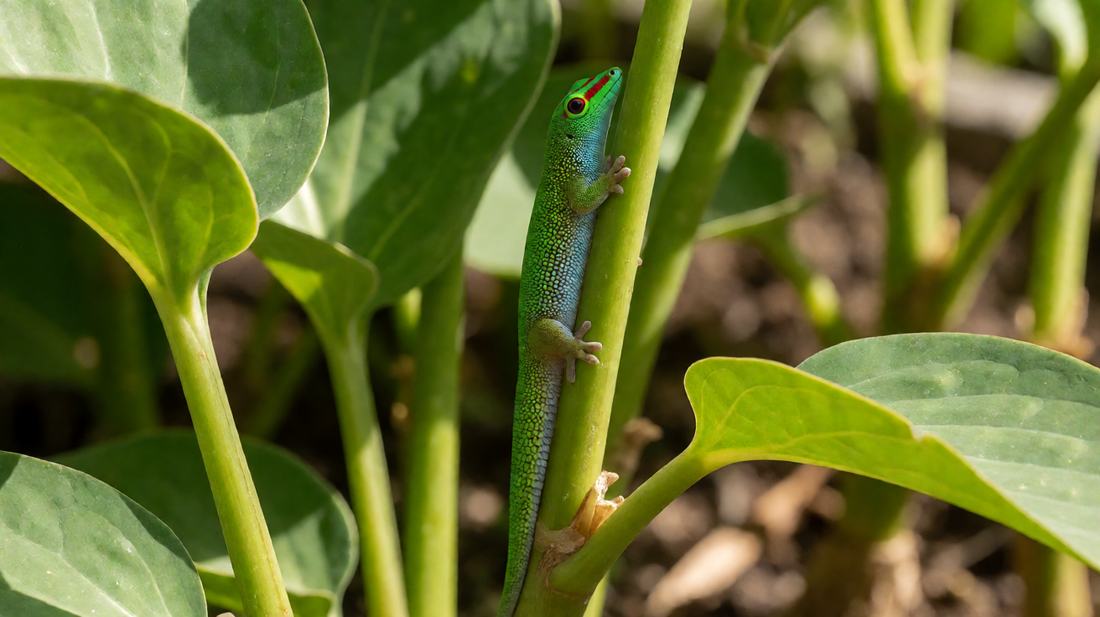
Phelsuma madagascariensis | Madagascar Day Gecko
Species Profile · Gekkonidae
Madagascar Day Gecko
A leaf-green gecko with red bars that hunts by daylight on the tree trunks of eastern Madagascar and shares one tree with its mate for life.
Least Concern
Total length
Clutch
Hatching
Lifespan
Elevation
Rating
The Madagascar Day Gecko
A gecko that works the daylight shift
A bright green gecko clings to a tree trunk in eastern Madagascar. Sunlight suits it well. Most geckos hunt at night, but this one works by day.
Its skin is leaf green with red marks, in fact. Toe pads hold smooth bark with ease. The animal darts after insects.
It also licks nectar from flowers. Pairs share one tree for life. Because the gecko is active in daylight, it can use colour, movement and sight in ways that night hunters cannot.
Family tree
Gekkonidae, the typical geckos
The species belongs to the family Gekkonidae. John Edward Gray described it in 1831. About 70 species now sit in the genus Phelsuma. Most come from Madagascar and nearby islands.
The chameleon shares the island but sits in a different family. Both groups grip branches with modified feet, of course. Yet the two lineages split long ago, and only one of them can flick a tongue at passing prey.
Green with red marks
How to tell one
Adults reach 30.5 cm at most. Most animals are much shorter. The body is stout and flattened, while the tail is long and round.
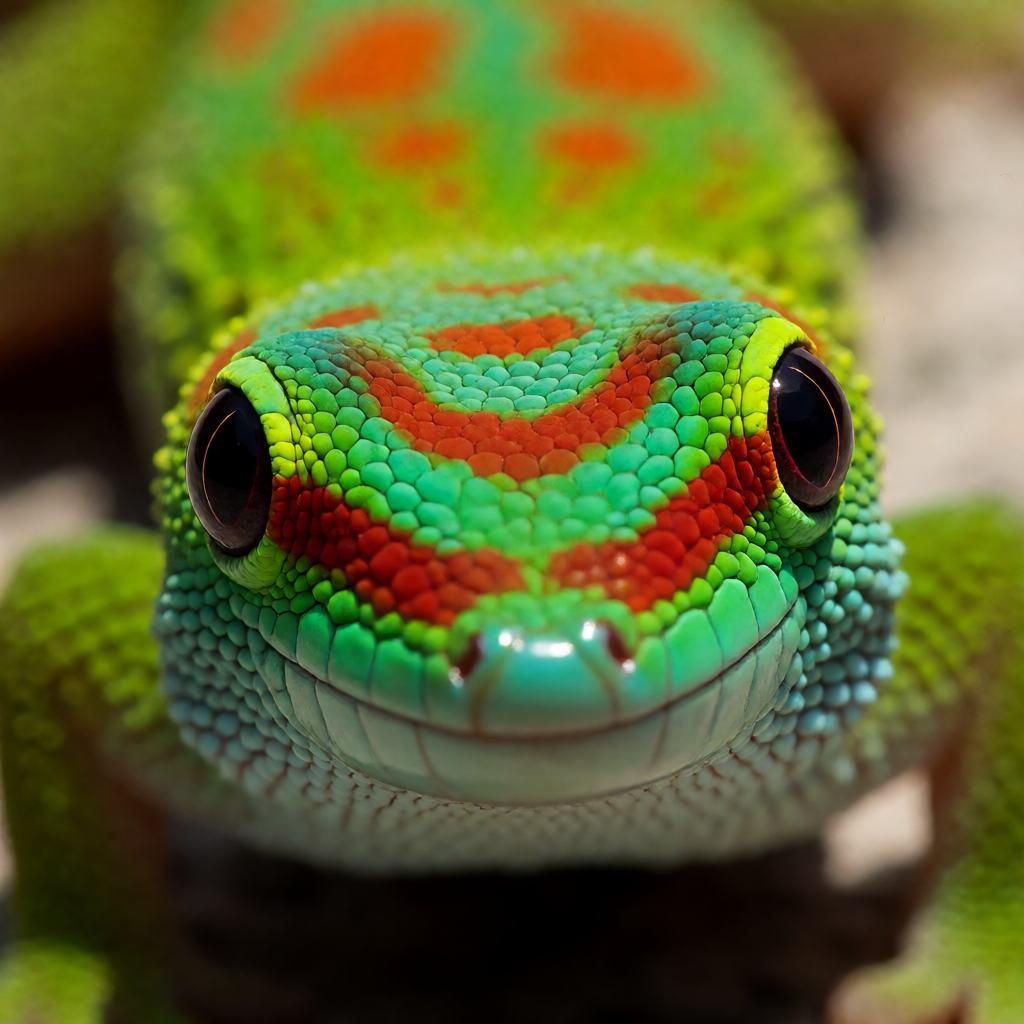
Green scales carry red bars and spots. A red stripe runs from the eye. Toe pads end in tiny claws.
Eyes are round, with no moveable lid. In addition, skin is smooth, not beaded. Nothing about the toes works like a mammal foot, and each pad grips by means of millions of microscopic hair-like bristles instead.
1
2
3
Rainforest trunks and garden walls
Where it lives
Humid eastern Madagascar is the native range. Sea level up to 1000 m is used. Rainforest is the classic home, in short.
Tree trunks are the main hunting ground. Town walls and gardens also suit it. Palm fronds are a favourite perch.
Introduced animals live on some nearby islands. Dry western forest holds none at all, however. Because the gecko drinks from leaves and eats soft fruit, it needs a wet place with flowers in bloom most of the year.
Insects, nectar and soft fruit
What it eats
Insects make up most meals. Flies, ants and beetles are taken. Caterpillars and crickets follow.
Nectar is licked from blossoms. Pollen is eaten as well. Soft fruit is a favourite.
Small snails are crushed at times. Even so, spiders are taken too. Water is lapped from leaves, since the animal will not come down to a pool on the ground.
Two hard-shelled eggs
The breeding cycle
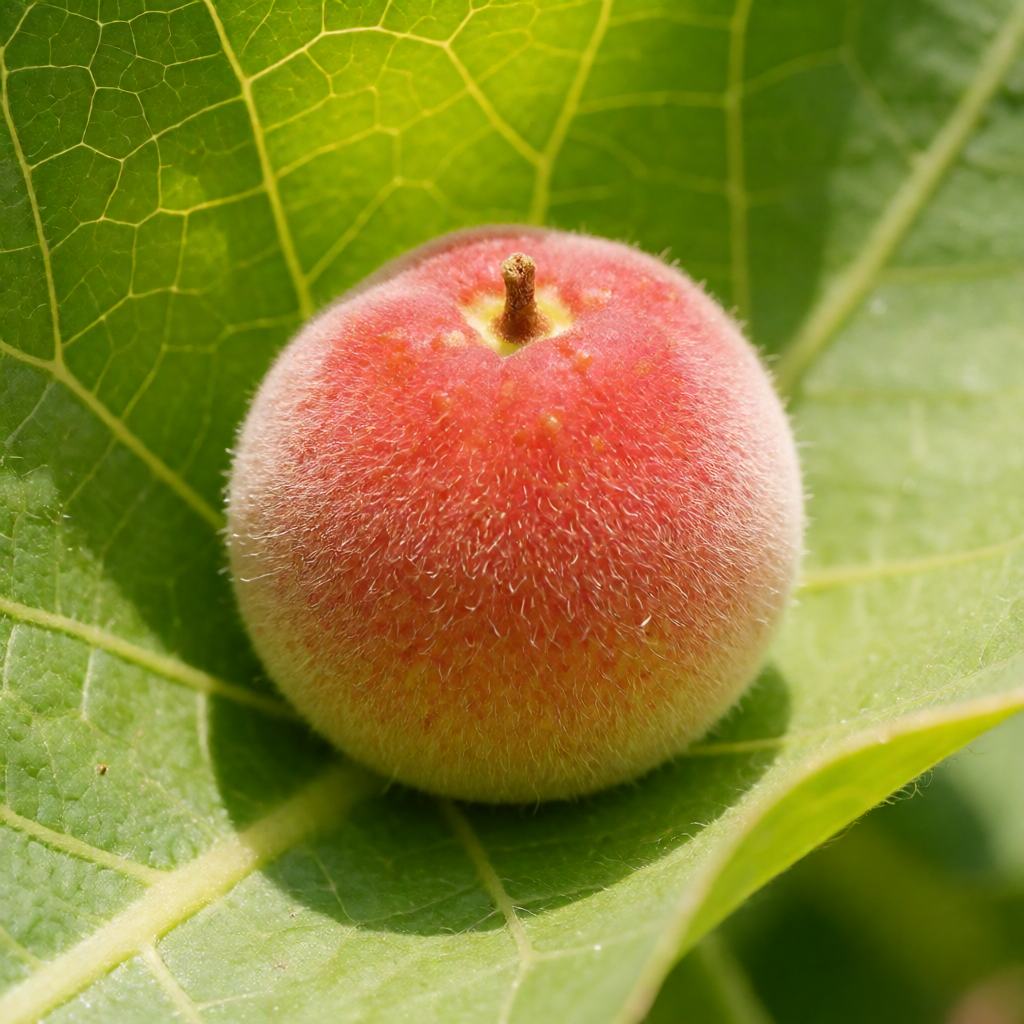
Pairs hold a territory on one tree. Courtship is short and simple. Females glue 2 eggs at a time.
Walls, bark and leaf axils all serve. Several females may use one site. Eggs are hard-shelled and fixed in place.
Young hatch after 60 to 90 days. Even so, no parent guards the clutch at all. Unlike the crocodile, which buries its eggs and guards the nest, this gecko leaves the hard shells stuck where they were laid.
Least Concern
Conservation
The IUCN rates the species as Least Concern. Animals cope well with people. Towns and plantations both hold them.
Collection for the pet trade is the main worry, however. CITES lists the whole genus on Appendix II. Forest loss cuts into wild numbers.
Introduced rats eat eggs and young. Short of that, the outlook is good, since a gecko this small can live on a single tree in a busy village garden.
Side by side
How It Compares
| Trait | Madagascar Day Gecko | Tokay Gecko |
|---|---|---|
| Activity | diurnal | nocturnal |
| Colour | leaf green with red bars | grey-blue with orange spots |
| Eye | round, no moveable lid | same, no lid |
| Voice | soft chirps | loud ‘to-kay’ call |
| Clutch | 2 hard-shelled eggs glued in place | 2 eggs, also glued |
| IUCN status | Least Concern | Least Concern |
Common misreadings
What People Get Wrong
- All geckos are nocturnal. This one hunts in daylight.
- The red marks warn predators. They are simple colour pattern.
- Geckos leave their eggs in sand. This one glues hard shells in place.
Going further
Sources and Further Reading
- Wikipedia, Madagascar day gecko
- IUCN Red List, Phelsuma madagascariensis. The IUCN Red List of Threatened Species.
- Animal Diversity Web, University of Michigan. Phelsuma madagascariensis.
- Glaw, F. and M. Vences. 2007. A Field Guide to the Amphibians and Reptiles of Madagascar.
Quick hits
Five things to remember
- This gecko ranks among the largest day geckos in the world.
- Females store calcium in neck sacs before laying eggs.
- Several females often glue eggs to the same spot.
- A clear spectacle covers each eye, so the lid never moves.
- Wild animals can live past 10 years on one tree.