 By st20113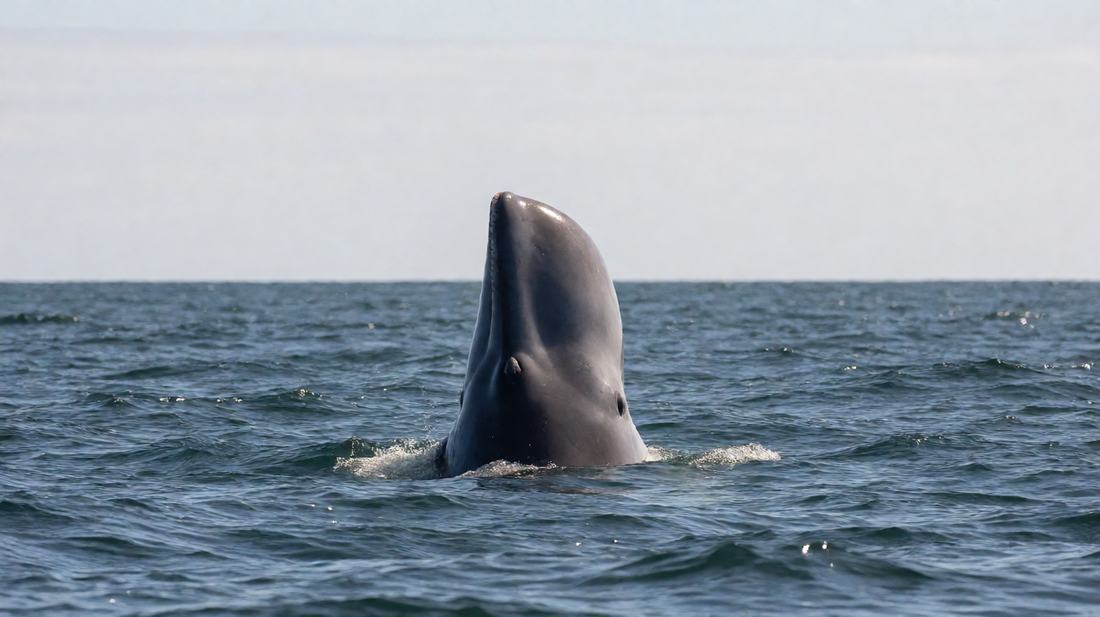
Berardius bairdii | Baird’s Beaked Whale
Species Profile · Ziphiidae
Baird’s Beaked Whale
The largest of the beaked whales, a scarred grey deep-diver of the North Pacific that spends an hour or more below the light hunting squid.
Least Concern
Length
Weight
Dive depth
Teeth
Pod size
Rating
The Baird’s Beaked Whale
A whale that hunts below the light
A long-beaked whale surfaces in the cold North Pacific. Its body is dark grey and heavily scarred. Only the crown shows above the water.
Then it blows and dives again. Dives run deep and long, of course. Prey lives far below the light.
Squid make up most of the diet. Few people ever see one. Because the animal spends an hour or more under water each time, almost everything about its life stays out of human sight.
Family tree
Ziphiidae, the beaked whales
The species belongs to the family Ziphiidae. Leonhard Stejneger named it in 1883. Two living species now sit in the genus Berardius. One lives in the North Pacific, one in the far south.
The narwhal belongs to a different whale family. Its tusk is a tooth, in fact. Both are deep-diving whales of cold water, yet only one of them hunts squid at depths no light can reach.
Scarred, beaked and blunt
How to tell one
Females reach about 12.8 m. Males are a little shorter. Weight can pass 14 tonnes.
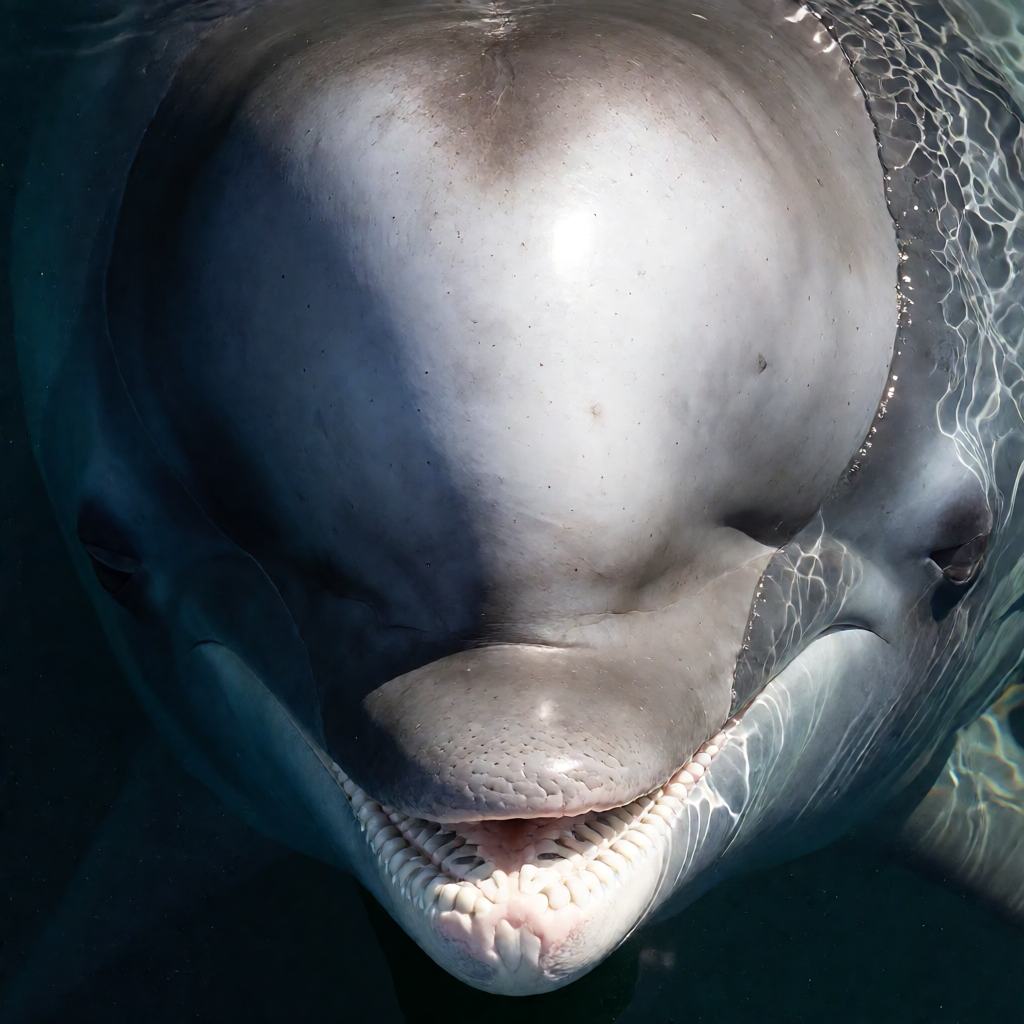
The beak is long and narrow. Two pairs of teeth sit in the lower jaw. Those teeth erupt only in males.
Long white scars cross the skin. In addition, the body is dark grey to brown. Nothing about the animal is sleek, and the whole shape is built for pressure rather than for speed at the surface.
1
2
3
Deep slopes and seamounts
Where it lives
Deep water is the only home. Continental slopes are prime ground. Seamounts hold prey in numbers, in turn.
Its range covers the whole North Pacific. Japan, the Okhotsk Sea and the Bering Sea all hold whales. Sightings run south to Baja California.
Shallow coastal water is avoided, however. Because the whale hunts at depths of 1000 to 3000 m, it needs steep sea floor close by and never stays over a flat shallow shelf.
Squid sucked in whole
What it eats
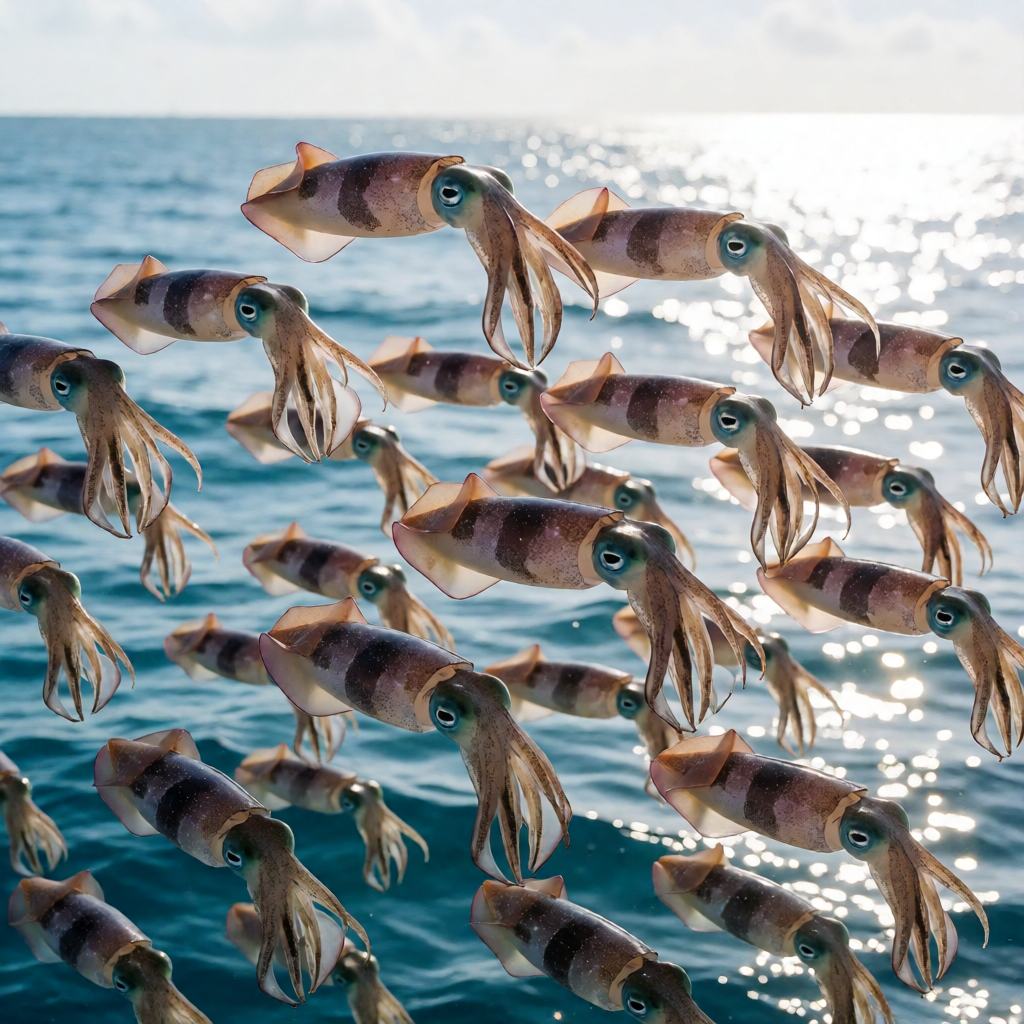
Squid are the main prey. Deep-water species dominate the list. Octopus is taken as well.
Rockfish and herring follow. Even so, crabs and shrimps appear at times. Prey is sucked in, not chewed.
Stomach contents show squid beaks almost every time. Because the whale has almost no teeth, it must swallow prey whole, so the squid it takes are small but very many.
One calf after a long wait
The breeding cycle
Pods hold 5 to 30 animals. Groups of 100 gather at times. Males scar each other with their teeth.
Calves are born in warm water. A single calf is the rule. Births seem to peak in spring.
Calves stay close to the mother. Males grow old before they breed, in fact. Because only males past 30 years old take part in mating, a pod can lose its whole breeding stock to one bad hunting season.
Least Concern
Conservation
The IUCN rates the species as Least Concern. Numbers are hard to count at sea. No global decline has been shown.
Japanese whalers still take some animals, however. Bycatch in deep-set nets kills others. In addition, noise from ships may push whales off feeding ground.
Unlike the humpback whale, which sings and breaches in full view, this whale stays deep and quiet. That habit makes every survey guess shaky, since animals under water cannot be counted from a boat at all.
Side by side
How It Compares
| Trait | Baird’s Beaked Whale | Cuvier’s Beaked Whale |
|---|---|---|
| Dive depth | 1000 to 3000 m | up to 2992 m, deepest recorded |
| Length | about 12.8 m, largest beaked whale | about 5 to 7 m |
| Teeth | 2 pairs, lower jaw, males only | 1 pair, males only |
| Range | North Pacific | worldwide |
| Group | 5 to 30 | 1 to 7 |
| IUCN status | Least Concern | Least Concern |
Common misreadings
What People Get Wrong
- Beaked whales are small. Baird’s is the largest of them all.
- Whales chew their squid. This one sucks prey in whole.
- The teeth help it eat. Only males carry the erupted pairs.
Going further
Sources and Further Reading
- Wikipedia, Baird’s beaked whale
- IUCN Red List, Berardius bairdii. The IUCN Red List of Threatened Species.
- Animal Diversity Web, University of Michigan. Berardius bairdii.
- Kasuya, T. 2017. Small Cetaceans of Japan. CRC Press.
Quick hits
Five things to remember
- Males carry scar patterns from raking each other’s teeth.
- Two pairs of teeth erupt only in adult males.
- Dives can last over an hour at a time.
- The whale is the largest of all the beaked whales.
- Males may live past 80 years in the wild.