 By st20113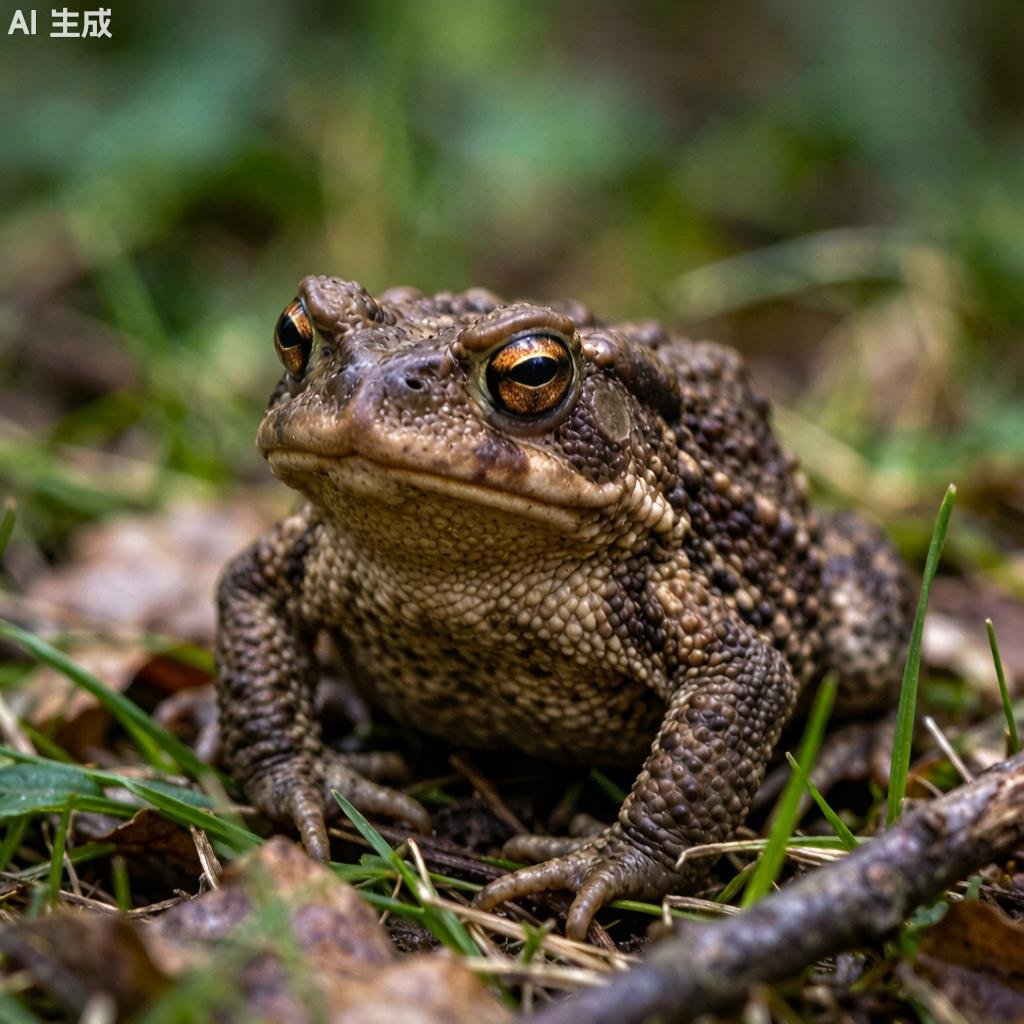
Introduction
The Bufo bufo, commonly known as the common toad or European toad, is a squat, warty amphibian found across much of Europe and parts of western Asia. Unremarkable at first glance, with its dry, bumpy brown skin and slow, plodding gait, the common toad is in fact a remarkably successful and long-lived animal that has shared the continent’s woodlands, gardens, and farmlands with humans for millennia. Each spring, millions of toads undertake faithful migrations to the ponds where they were born, a spectacle that has made them a familiar and cherished part of European natural history.
Taxonomy
The common toad belongs to the family Bufonidae, the true toads, within the order Anura, the frogs and toads. The genus Bufo once encompassed a great many toad species, but modern genetics has split it into several genera; Bufo bufo remains the archetypal European member. Like all amphibians, toads are distinguished from their close relatives, the Red-eyed Tree Frog, by their drier, warty skin and preference for walking rather than leaping. They are also cousins to wholly aquatic and limbless forms such as the Axolotl and the giant Hellbender, all of which share the ancient amphibian blueprint of life beginning in water.
Physical Characteristics
An adult common toad typically measures four to eight inches in length, with females considerably larger than males. Its skin is dry and covered in warts, ranging in color from olive brown to gray or reddish, providing excellent camouflage against leaf litter and soil. Behind each eye sits a prominent parotoid gland that secretes a milky toxin, a chemical defense that makes the toad unpalatable to most predators. The eyes have horizontal, slit-shaped pupils, and the body is broad and rounded, built for crawling rather than jumping. Toads lack the sticky toe pads of tree frogs, relying instead on short, sturdy legs.
Habitat
Common toads are highly adaptable, inhabiting deciduous and coniferous forests, meadows, gardens, parks, and farmland, so long as suitable breeding ponds are nearby. They are largely terrestrial, spending most of the year hidden in burrows, under logs, or within dense vegetation, emerging at night to hunt. During cold winters they hibernate underground or at the bottom of ponds. Across Europe they share the landscape with a variety of wildlife, including the Hedgehog, a fellow ground-dweller that, unlike most animals, can tolerate the toad’s defensive toxins.
Diet
Common toads are carnivorous, feeding on a wide assortment of invertebrates such as earthworms, slugs, snails, beetles, and spiders. They are sit-and-wait predators, sitting motionless until prey comes within reach, then lunging with a lightning-fast, sticky tongue. A single toad can consume thousands of insects and pests in a single season, making it a quiet ally to gardeners and farmers alike. They rely on sight to detect movement, and they will ignore perfectly edible food that does not stir, which is why a motionless beetle may be safe while a crawling one is swiftly caught.
Reproduction
Breeding begins in spring, when toads migrate, often over considerable distances, to the ponds, lakes, or slow streams where they hatched. Males clasp females in an embrace called amplexus, and the female lays long strings of thousands of eggs in the water, which the male fertilizes externally. The eggs hatch into tadpoles within a week or two; these aquatic larvae grow for several weeks to months before metamorphosing into tiny toadlets. Juveniles often emerge from ponds in vast numbers, scattering into the surrounding countryside to begin their largely solitary, terrestrial lives.
Conservation
The common toad is currently listed as least concern globally, but local populations have declined sharply in parts of Europe due to habitat loss, road mortality during migrations, pond drainage, and pollution. In some countries, volunteer groups organize ‘toad crossings’ to help them safely reach breeding sites. Their close relatives among the amphibians face even greater peril from disease and climate shifts, and the toad’s own toxin offers little protection against the Red Fox and other predators that have learned to flip them and avoid the glands. Protecting ponds and connectivity is essential to keeping this ancient migrant on the landscape.
Fun Facts
Common toads can live for more than forty years in captivity, far longer than most other amphibians of their size, though wild individuals seldom reach such ages. They return to the very same breeding pond year after year, navigating by a combination of magnetic sense and memory, a feat that still puzzles biologists. When threatened, a toad can inflate its body to appear larger and may even emit a faint squeak. And despite their ungainly reputation, common toads are meticulous groomers, using their front legs to wipe and clean their eyes and skin, keeping their protective coating in prime condition.
[…] Cane Toad, also known as the giant neotropical toad, is one of the largest toads in the world, native to the […]
[…] Common Toad (common-toad-bufo-bufo) is the most widespread amphibian sharing the ponds and marshes of northern […]
[…] Common Toad (common-toad-bufo-bufo) and the Fire Salamander (fire-salamander-salamandra-salamandra) are both […]
[…] Molecular studies support its separate status, and its distinctive ecology sets it apart from the Common Toad that shares parts of its range but breeds in deeper, more permanent […]
[…] through a conspicuous warning signal. The seven-spot ladybird often shares garden habitats with the common toad, and the aesculapian snake is a natural predator in some of its […]
[…] and rivers during dispersal. In parts of Europe the mole shares its subterranean habitat with the common toad, and encounters with the red fox above ground are also […]
[…] In the aquatic phase, smooth newts are opportunistic predators of small invertebrates found in ponds, including water fleas, mosquito larvae, water snails, oligochaete worms, and occasionally small tadpoles or fish fry. Terrestrial newts feed on slugs, earthworms, spiders, beetles, caterpillars, and woodlice. Cannibalism on smaller newt larvae by larger individuals has been documented in crowded breeding ponds. Both aquatic and terrestrial phases require access to moisture. Adults are vulnerable to birds, fish, and larger amphibians including the common toad. […]
[…] hind foot used for digging. Males have rough nuptial pads on their front feet during breeding. The common toad has warty skin and horizontal pupils in […]
[…] and moist, and the head is broad with small eyes. The species has four limbs and a long tail. The common toad shares moist forest habitats but is very different in […]
[…] brown for camouflage. They have large eyes with horizontal pupils and round adhesive toe pads. The common toad is terrestrial and much […]
[…] observers for centuries, featuring in folklore, art, and scientific illustration across Europe.the common toad, the smooth newt, and the grass snake frequently coexist with the natterjack toad across shared […]
[…] the true toads. Its order is Anura, the frogs and toads. Its closest familiar relative here is the Common Toad of Europe. That toad shares the same dry, warty skin. It shares the same parotoid […]
[…] European tree frog sits in the order Anura, the frogs and toads. The common toad is in that order too. The toad is a heavier land animal. The two use the same ponds in spring but […]