 By st20113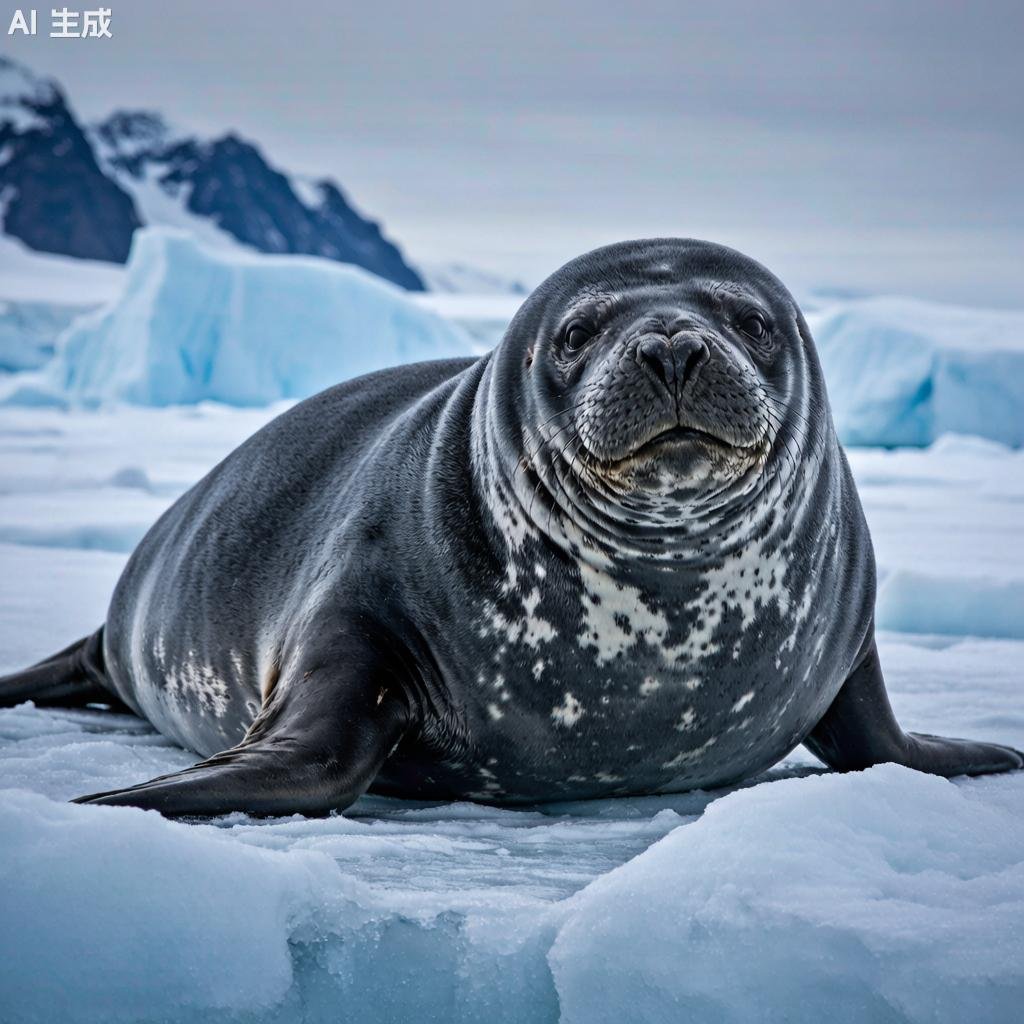
Introduction
The Hydrurga leptonyx, commonly known as the leopard seal, is a formidable apex predator of the Antarctic pack ice. Named for the pale, spotted coat that resembles that of a big cat, it is the second largest species of seal in the Antarctic and arguably the most dangerous, possessing a massive head and jaws lined with sharply trident-shaped teeth. Agile and solitary, the leopard seal patrols the icy margins of the Southern Ocean, where it sits near the top of the marine food web as both a hunter of warm-blooded prey and a rival to the ocean’s great whales.
Taxonomy
Leopard seals belong to the family Phocidae, the true seals, and are the only living member of the genus Hydrurga. Their closest relatives are the other Antarctic phocids, though genetically they stand somewhat apart within the group. Unlike the social, fish-eating seals of milder waters, leopard seals are solitary and fiercely predatory, a lifestyle reflected in their slender, muscular build and specialized trident-shaped cheek teeth used to strain krill from the water. They are one of the very few seal species that regularly hunts warm-blooded prey, a trait that earns them a place among the Southern Ocean’s top predators alongside the Orca.
Physical Characteristics
Adult leopard seals range from eight to eleven feet in length and can weigh between 400 and 1,300 pounds, with females noticeably larger than males. Their most striking feature is the head: large, broad, and equipped with a long mandible lined with interlocking, three-pronged teeth ideal for gripping slippery prey and filtering krill. The body is streamlined and dark gray above with a silver-white belly marked by dark spots. Powerful fore flippers drive them through the water at speeds up to 25 miles per hour, while the spotted pelage gives the species its common name.
Habitat
Leopard seals are creatures of the Antarctic and sub-Antarctic, haunting the edges of pack ice, ice floes, and the shores of islands such as South Georgia and the Antarctic Peninsula. During the austral winter some individuals drift northward along the coasts of southern South America, South Africa, and Australia, occasionally turning up as far north as New Zealand. They haul out onto ice or remote beaches to rest, molt, and breed. In these frigid waters they share the sea with a remarkable assemblage of life, from the Humpback Whale to colonies of penguins that gather on the same ice.
Diet
The diet of a leopard seal shifts with age and opportunity. Young animals feed mainly on krill, which they sieve from the water with their specialized teeth, while adults become formidable predators of penguins, fish, squid, and other seals, including the pups of crabeater and fur seals. They are renowned for ambushing Emperor Penguin and King Penguin colonies, launching from the water to snatch birds at the water’s edge. This dual strategy of filter-feeding and active predation makes the leopard seal one of the most versatile hunters in Antarctic waters.
Reproduction
Breeding takes place on the ice in the Antarctic summer, with pups born between October and December after an eleven-month gestation that includes a period of delayed implantation. A single pup is born on the pack ice, weighing around 60 to 70 pounds, and is nursed for about a month on extraordinarily rich milk before being weaned and left to fend for itself. Maternal care is brief but intense, after which the young seal must quickly master hunting in one of the planet’s harshest environments. Females typically breed only every other year, a slow rate that limits how fast populations can rebound.
Conservation
Leopard seals are currently listed as least concern, with a population estimated between 200,000 and 400,000 individuals distributed around the Antarctic. They face few natural threats aside from the orca, which occasionally preys on them, and they are protected under international agreements that govern the Southern Ocean. Climate change and the retreat of pack ice could alter the distribution of their krill prey, with uncertain consequences for the species. Interestingly, leopard seals and the enormous Blue Whale both depend on the same krill-rich waters, linking the smallest and largest extremes of Antarctic life in a single fragile ecosystem.
Fun Facts
Leopard seals produce an eerie, underwater courtship song during the Antarctic winter, a long, pulsing vocalization that can carry for miles beneath the ice. They are the only seals known to routinely hunt other seals, and they can open their jaws astonishingly wide to swallow large prey whole. Despite their fearsome reputation, they are naturally curious around humans and have been known to approach divers, sometimes presenting them with penguins as if sharing a catch. Few animals so perfectly embody the raw, untamed character of the Antarctic.
[…] years ago. Northern elephant seals belong to the monachine seal subfamily, which also includes the leopard seal and California sea lion as more distant […]