 By st20113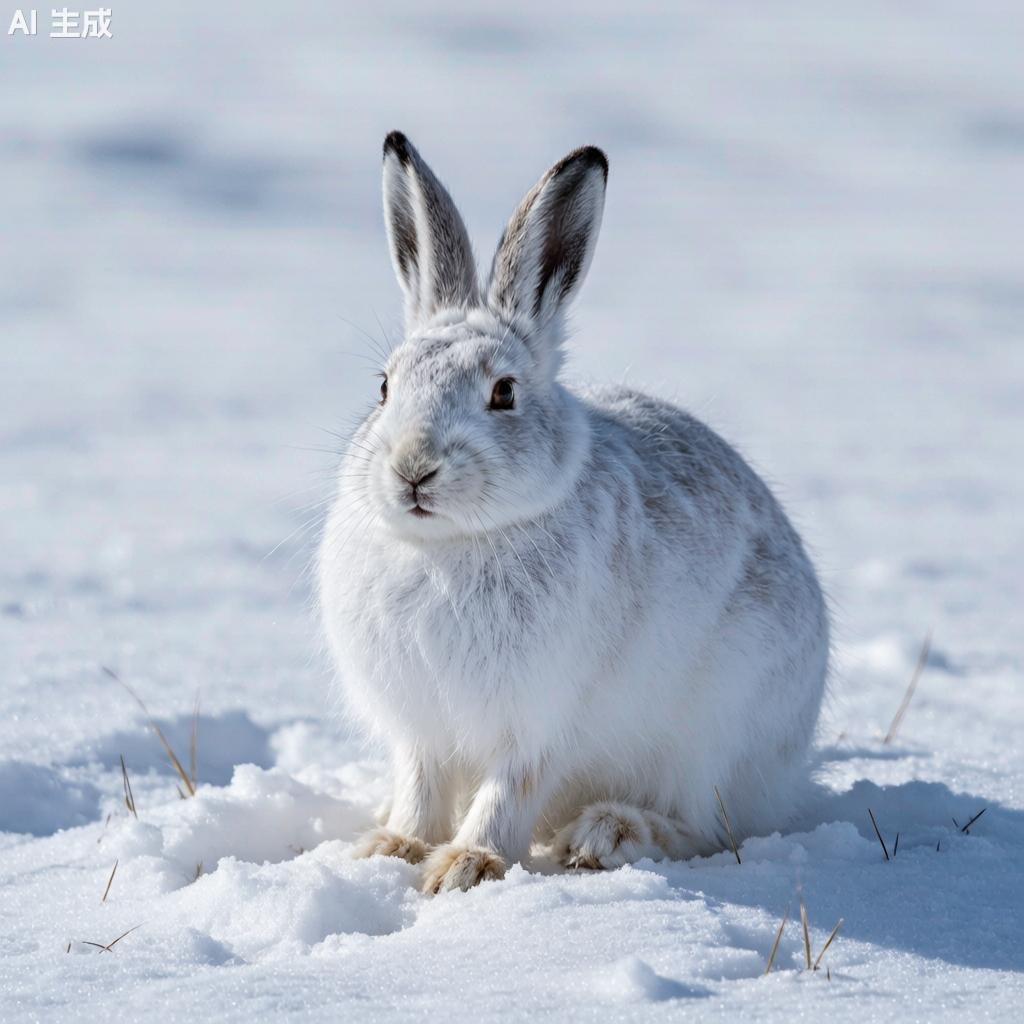
Introduction
The Arctic Hare is a remarkable survivor of the frozen north. These large hares live in the harsh tundra regions of North America. They are perfectly adapted to extreme cold with thick fur and compact bodies. Unlike many Arctic animals, they remain active throughout the long, dark winter.
Arctic Hares are larger than most rabbit species. They can weigh up to 7 kilograms, making them one of the biggest lagomorphs. Their powerful hind legs allow them to reach speeds of 60 kilometers per hour. These solitary or loosely social animals spend much of their time foraging for scarce vegetation.
Taxonomy
Arctic Hares belong to the family Leporidae, which includes all hares and rabbits. They are members of the genus Lepus, the true hares. Unlike rabbits, hares are born fully furred with eyes open. They are precocial, meaning they can hop within hours of birth.
Several subspecies exist across their Arctic range. They are closely related to other northern hares. Scientists have studied their evolutionary history and adaptations. Genetic analysis continues to refine their classification and understand their relationships to other species.
Physical Characteristics
Arctic Hares have several adaptations for extreme cold. Their fur is thick and white in winter, providing both warmth and camouflage. In summer, some populations molt to grayish-brown. This color change helps them blend with their seasonal surroundings for predator avoidance.
Their compact body shape minimizes heat loss in frigid conditions. Shorter ears than other hares reduce freezing risk in extreme temperatures. Large, furry feet act like snowshoes, distributing weight on soft snow. Their powerful legs can propel them in leaps up to 2 meters high. This impressive jumping ability helps them escape predators quickly.
Eyes positioned high on their heads allow them to spot approaching danger while feeding. Their thick winter coat is about 4 centimeters deep, providing excellent insulation. This dense fur traps air close to their skin for warmth in temperatures below -30°C.
Habitat
Arctic Hares inhabit the tundra regions of northern Canada and Greenland. They prefer rocky or mountainous areas with some vegetation. These habitats provide both food and shelter from harsh winds. The Arctic Fox shares these same frozen landscapes.
They are found from sea level to mountainous elevations. In winter, they may dig shelters in snow for warmth and protection. They do not hibernate and must find food year-round. Their range extends into the northernmost reaches of the continent.
Diet
These herbivores eat whatever plant material they can find. In summer, they consume grasses, sedges, leaves, and flowers. Woody plants and lichens become important winter food sources. They have been observed standing on hind legs to reach willow branches.
Arctic Hares have efficient digestive systems adapted to poor-quality forage. They practice coprophagy, re-ingesting certain feces to extract more nutrients. Polar Bear and Arctic Wolf hunting grounds often overlap with hare feeding areas. They must remain vigilant while foraging.
Reproduction
Breeding occurs in spring when conditions improve. Males compete for access to females through chasing and boxing with their powerful legs. Females may mate with several males during the season. This promiscuous mating system increases genetic diversity in populations.
Unlike rabbits, hares do not dig burrows. Females give birth in shallow depressions called forms. Litters typically contain 2 to 8 young, called leverets. They are born fully furred and can move within hours. Females may produce two or three litters per season in good conditions.
Conservation
Arctic Hare populations appear stable across most of their range. Their remote habitat protects them from many human impacts. Climate change poses the greatest long-term threat to their specialized Arctic environment. Warmer temperatures could alter vegetation patterns significantly.
They are hunted by indigenous peoples for food and fur. However, this harvest appears sustainable at current levels. Snowy Owl and other predators naturally regulate populations. Conservation monitoring ensures their numbers remain healthy across the Arctic.
Fun Facts
Arctic Hares can run at speeds up to 60 kilometers per hour across snow. Their winter coat is about 4 centimeters thick, providing excellent insulation against extreme cold. They have been observed huddling together in groups during severe weather. This social behavior is unusual for hares.
Unlike many Arctic mammals, they do not hibernate during winter. They remain active even at temperatures below -30°C. Their large eyes are positioned high on their heads, allowing them to spot predators while feeding. They can detect movement from long distances across open tundra.