 By st20113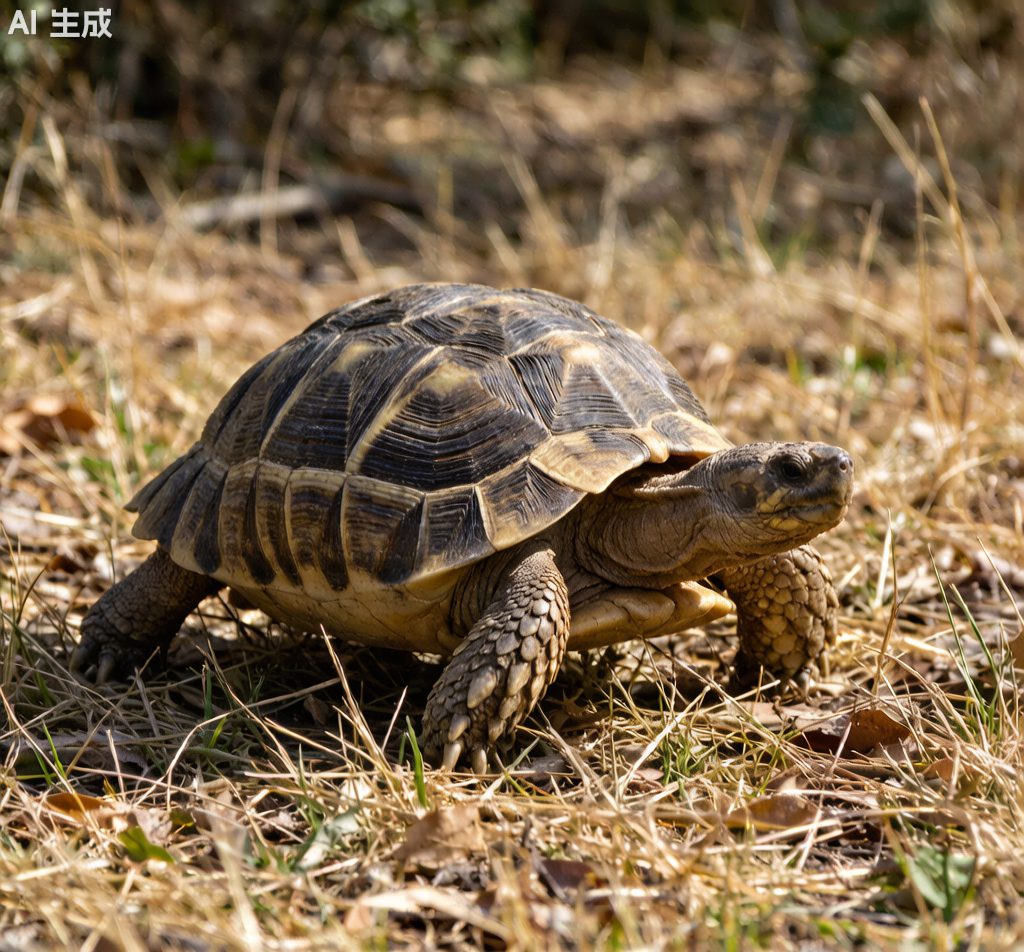
Introduction
The Marginated Tortoise (Testudo marginata) is the largest European tortoise, native to Greece and parts of the Balkans and Italy. Recognizable by the flared, saw-edged margin of its shell, this reptile inhabits scrubland and open woodland. The marginated tortoise is a herbivore that emerges in warm months and hibernates through winter. Its elegant shell and gentle nature have made it a subject of conservation interest.
The marginated tortoise’s range has contracted due to agricultural expansion and urbanization in the Mediterranean. Local conservation groups monitor populations and protect nesting sites from development. Public education reduces the illegal collection that once threatened wild populations. The species’ longevity means conservation actions have effects spanning human generations.
Taxonomy
Testudo marginata belongs to the family Testudinidae. The species is closely related to the Greek tortoise and Hermann’s tortoise, with which it was once confused. The marginated tortoise is the only member of its genus with the distinctive flared posterior margin. Genetic studies support its separation from other Mediterranean tortoises. The species name refers to the bordered shell edge.
Physical Characteristics
Marginated tortoises have an elongated carapace reaching 30 to 40 centimeters in length. The shell is brown with dark borders on each scute and a unique flared lip at the rear. Males are larger with a concave plastron and longer tail. The grass snake shares Mediterranean habitats but is a snake.
Habitat
This species inhabits Mediterranean scrub, olive groves, rocky hillsides, and open woodland. It prefers sunny areas with low vegetation for foraging and basking. Marginated tortoises hibernate in burrows or under vegetation during winter. The common toad may share moist microhabitats nearby.
Mediterranean climate extremes test the marginated tortoise’s resilience, as droughts shorten the active season and reduce food availability. The species’ ability to aestivate during heat helps it persist, but repeated stress can lower condition. Conservation that maintains shaded microhabitats improves survival during hot, dry years.
Diet
Marginated tortoises are herbivorous, feeding on grasses, leaves, flowers, and some fruits. They require high-fiber, calcium-rich diets for shell health. In the wild they graze extensively on seasonal vegetation. The species obtains water from food and occasional rain pools. Overfeeding in captivity is a common health issue.
The marginated tortoise’s slow reproduction means populations recover slowly from declines, emphasizing prevention over restoration. Road mortality is a significant threat during movement between habitats. Conservation breeding and head-starting programs have been used to bolster wild numbers in some regions.
Reproduction
Mating occurs in spring after emergence. Females lay clutches of three to twelve eggs in warm soil. Incubation lasts two to three months, with temperature influencing sex. Hatchlings emerge in late summer and face high predation. The red fox is a major predator of eggs and young tortoises.
Protected areas and rural development planning are vital to preserve the marginated tortoise’s Mediterranean habitat. Control of illegal collection and trade supports wild populations. Public awareness reduces road mortality during seasonal movements. Captive breeding programs supplement but cannot replace habitat conservation.
Conservation
The marginated tortoise is classified as Near Threatened due to habitat loss and collection for the pet trade. Conservation includes habitat protection and regulation of trade. The species is protected under international agreements. Captive breeding supports conservation but cannot replace wild habitat preservation.
Fun Facts
The marginated tortoise’s flared shell edge is unique among European tortoises and gives the species its name. The species can live for over 100 years in captivity, making it one of the longest-lived reptiles. Marginated tortoises navigate using spatial memory of their home range. Their shells continue growing slowly throughout life. The species’ gentle browsing helps shape Mediterranean plant communities.
Marginated tortoises can accurately orient themselves within their home range, navigating back from distances that would challenge many mammals. The species’ flared shell margin may help deflect predator bites toward less vital areas. Tortoises contribute to seed dispersal through their droppings, linking them to plant community dynamics. The marginated tortoise’s calm demeanor belies its ecological importance in Mediterranean ecosystems.