 By st20113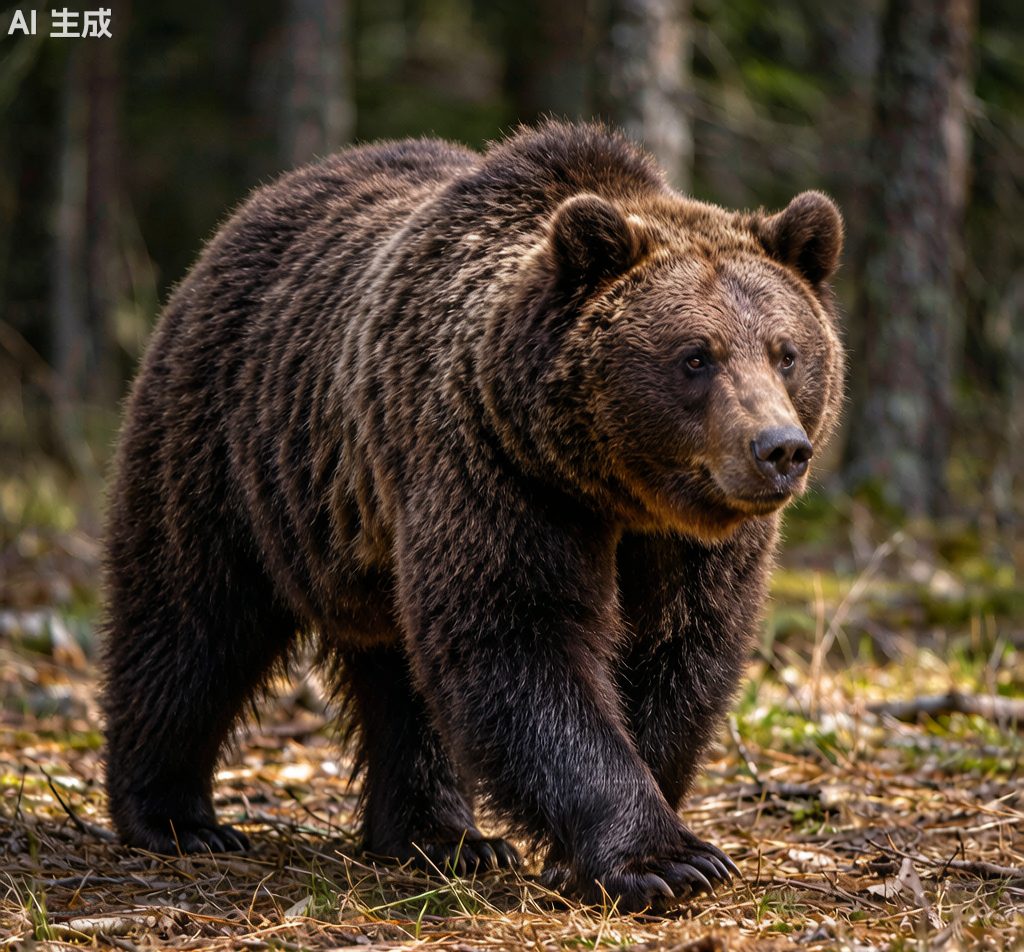
Introduction
The Eurasian Brown Bear (Ursus arctos) is the largest land predator in Europe and a powerful symbol of wilderness. Once widespread across the continent, the brown bear now survives in fragmented populations in mountainous and forested regions. This omnivorous mammal plays a crucial role in ecosystem functioning through seed dispersal and scavenging. Its elusive nature and immense strength have made it a focal point of both folklore and conservation.
The brown bear’s recovery in Europe is considered a major conservation success, with populations expanding in the Alps, Carpathians, and Balkans. Public acceptance remains the key challenge, as bears and humans increasingly share landscapes. Education and bear-proof waste management reduce conflict and foster coexistence.
Taxonomy
Ursus arctos belongs to the family Ursidae within the order Carnivora. The brown bear is a widespread species with numerous subspecies across Eurasia and North America, including the extinct Atlas bear and the grizzly. European populations are part of the Eurasian brown bear complex. Genetic research has clarified the relationships among isolated European populations. The species is among the most studied large mammals in the world.
Physical Characteristics
Brown bears are massive, with males weighing 100 to 350 kilograms and standing up to 2.5 meters on hind legs. Their coat ranges from blonde to dark brown, and they possess a distinctive shoulder hump of muscle. The species has powerful limbs, long claws adapted for digging, and a large skull. The wild boar is another large forest mammal but much smaller.
Habitat
Eurasian brown bears inhabit dense forests, mountain woodlands, and alpine meadows, avoiding intensive human presence. They require large home ranges with abundant food and denning sites. In Europe, significant populations persist in the Carpathians, Balkans, Scandinavia, and parts of Italy and Spain. The red deer shares these forested landscapes as prey and competitor.
Diet
Brown bears are omnivorous, consuming roots, berries, nuts, insects, fish, and carrion, with meat forming a variable but often small proportion of diet. In spring they dig for roots and ant mounds; in autumn they binge on nuts and fruit to build fat reserves. The species is an important seed disperser for many plants. Bears may prey on roe deer fawns and weak animals when opportunity arises.
Human food sources such as orchards and beehives can attract bears, requiring proactive management to prevent conflict. The species’ large home ranges mean that protected areas alone are insufficient without surrounding tolerance. Transboundary conservation initiatives coordinate research and interventions across national borders.
Reproduction
Mating occurs in early summer, but embryonic implantation is delayed until autumn. Females den in winter and give birth to one to three cubs in the dormant period. Cubs remain with the mother for up to two years, learning foraging and survival skills. The red fox may scavenge near bear dens but poses no threat to cubs.
Brown bear conservation succeeds where local communities are engaged and compensated for conflict. Corridors linking fragmented populations are critical to maintain genetic diversity. Bear-watching tourism can provide sustainable income that incentivizes protection. Long-term monitoring using GPS collars informs management across borders.
Conservation
The brown bear has recovered in several European regions thanks to strict protection and habitat conservation. However, fragmentation and human-wildlife conflict remain challenges. Conservation strategies include corridors, bear-proof infrastructure, and public education. The species is a flagship for large carnivore coexistence in human-dominated landscapes.
Fun Facts
Despite their bulk, brown bears can run at speeds up to 50 kilometers per hour. They have an extraordinary sense of smell, estimated to be over 100 times better than that of humans. Bears can remember the location of productive food trees across years. The species’ hibernation is not deep sleep; body temperature drops only slightly and they can awaken quickly. Brown bears have been recorded using tools and solving complex problems in research settings.
Brown bears have individual personalities, with some individuals more exploratory or tolerant of humans than others. The species’ diet shifts dramatically with seasons, from protein-rich spring roots to sugar-loaded autumn fruits. Bears can remember productive feeding sites for decades, illustrating remarkable spatial memory. The species’ role as an apex omnivore helps structure entire ecosystems.