 By st20113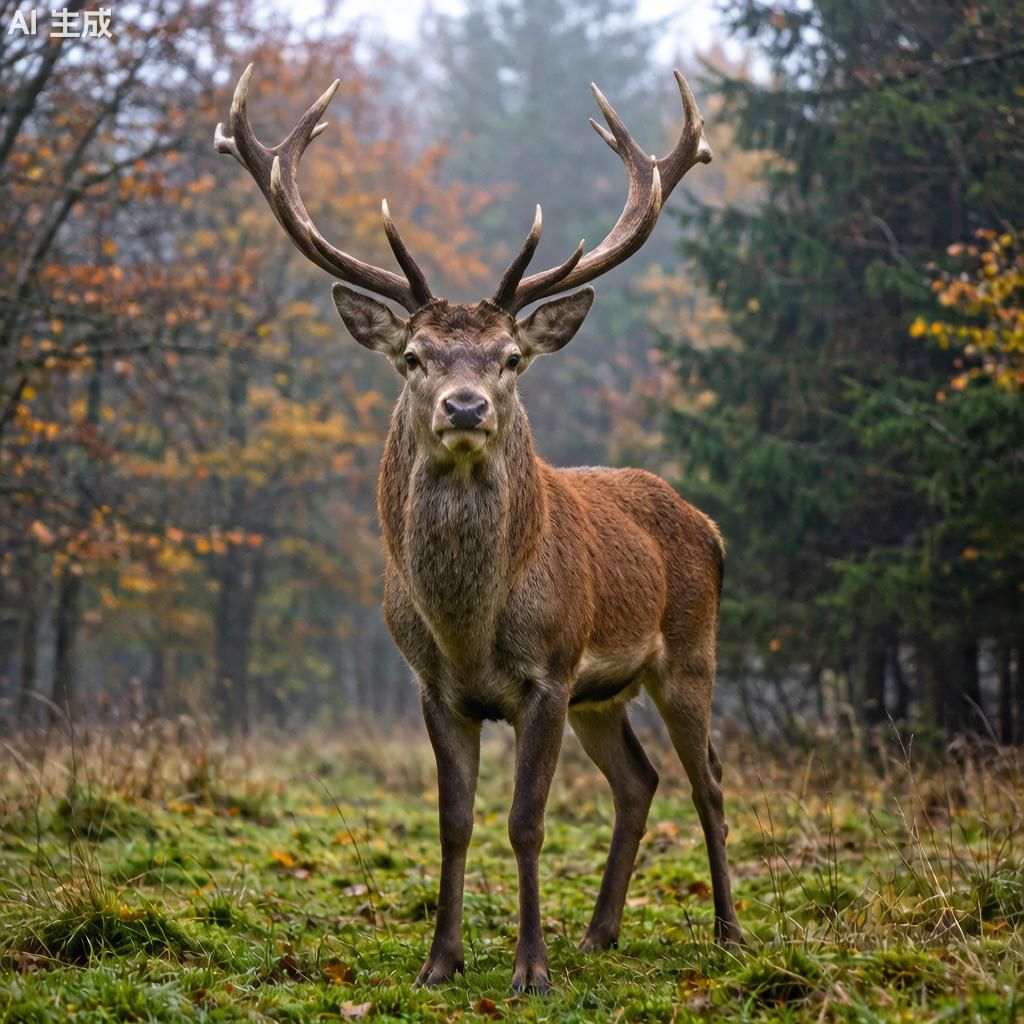
Introduction
The Red Deer is one of the largest deer species in the world. These magnificent mammals are native to Europe, Asia, and parts of North Africa. Males, called stags, are famous for their impressive antlers that grow larger each year. Red Deer have been important to human culture for thousands of years, appearing in cave paintings and mythology.
These social animals live in herds that separate by sex for most of the year. During autumn, stags compete for females in dramatic displays called the rut. Their loud roaring calls echo across mountains and forests. Red Deer are adaptable creatures found in various habitats from woodlands to open moorlands.
Taxonomy
Red Deer belong to the family Cervidae, which includes all deer species. They are part of the genus Cervus, which contains several large deer species. Scientists have debated whether some populations are separate species or subspecies. The Bengal Tiger and Red Deer share similar taxonomic debates about subspecies classification.
Several subspecies exist across their range. The European Red Deer is the most well-known. Other populations include the Caspian Red Deer and the Kashmir Stag. Genetic studies continue to refine our understanding of their relationships.
Physical Characteristics
Red Deer are large, powerfully built animals. Stags weigh between 160 to 240 kilograms and stand about 1.2 meters at the shoulder. Hinds, the females, are smaller, weighing 120 to 170 kilograms. Their coats change color with the seasons, from reddish-brown in summer to grayish-brown in winter.
The most striking feature of stags is their antlers. These bony structures can reach 80 centimeters in length and weigh up to 5 kilograms. Unlike horns, antlers are shed and regrown each year. Each year’s new set is larger and more branched than the previous one. Young stags may only have simple spikes, while mature stags develop magnificent multi-pointed racks.
Habitat
Red Deer inhabit a wide range of environments across their vast distribution. They prefer mixed woodlands with open areas for grazing. In mountainous regions, they move between elevations seasonally. Brown Bear populations share some of these same mountain habitats.
In Europe, they are found from Scotland to Russia. Asian populations extend from Turkey to China. They have also been introduced to New Zealand, Australia, and South America. These adaptable animals can survive in forests, grasslands, and even subalpine zones.
Diet
Red Deer are herbivores that graze and browse on various plants. Grasses form the bulk of their diet during summer months. They also eat leaves, shoots, and bark from trees and shrubs. In winter, when grass is scarce, they rely more on woody vegetation.
They feed primarily during dawn and dusk, resting during midday. A stag may consume 15 to 20 kilograms of vegetation daily. Their four-chambered stomach allows them to digest tough plant fibers efficiently. Red Fox tracks often appear near deer feeding areas.
Reproduction
The breeding season, called the rut, occurs in autumn. Stags compete for control of harems of hinds. They roar loudly to challenge rivals and attract females. Physical fights between evenly matched stags can be intense and sometimes fatal.
A dominant stag may gather 20 or more hinds. He must defend them from rivals while mating with each. This exhausting period leaves stags weakened. After a gestation of about 240 days, hinds give birth to a single calf in late spring. Calves can stand within hours and follow their mothers after a few days.
Conservation
Red Deer populations are stable in most of their range. They face few major threats due to their adaptability. Hunting is regulated in most countries and provides revenue for conservation. Habitat loss affects some local populations.
In parts of their range, hybridization with introduced species can be a concern. Disease transmission from livestock also poses risks. Conservation efforts focus on maintaining genetic purity and healthy habitat connections.
Fun Facts
Red Deer have been hunted by humans since prehistoric times. They appear in the famous Lascaux cave paintings in France. The meat, called venison, is considered a delicacy. Their antlers have been used to make tools and decorations for millennia.
During the rut, stags rarely eat and can lose 20% of their body weight. A stag’s roar can be heard from several kilometers away. Red Deer can live up to 20 years in the wild. Their natural predators include Gray Wolf packs and Wild Boar populations in shared habitats.
[…] Moose is the largest member of the deer family and a striking emblem of the northern forests. Standing up […]
[…] deer across Europe through Roman introductions and medieval hunting estates. Together with the red deer it forms the classic European deer fauna of parkland and woodland. Its palmate antlers, spotted […]
[…] a precision pounce through the snowpack. In woodland areas the red fox frequently encounters the red deer, and across grassland it competes with the common toad for invertebrate prey […]
[…] hindquarters, giving the species a characteristic hump. Both sexes possess short, curved horns. The red deer is another large herbivore sharing forest habitat but is more […]