 By st20113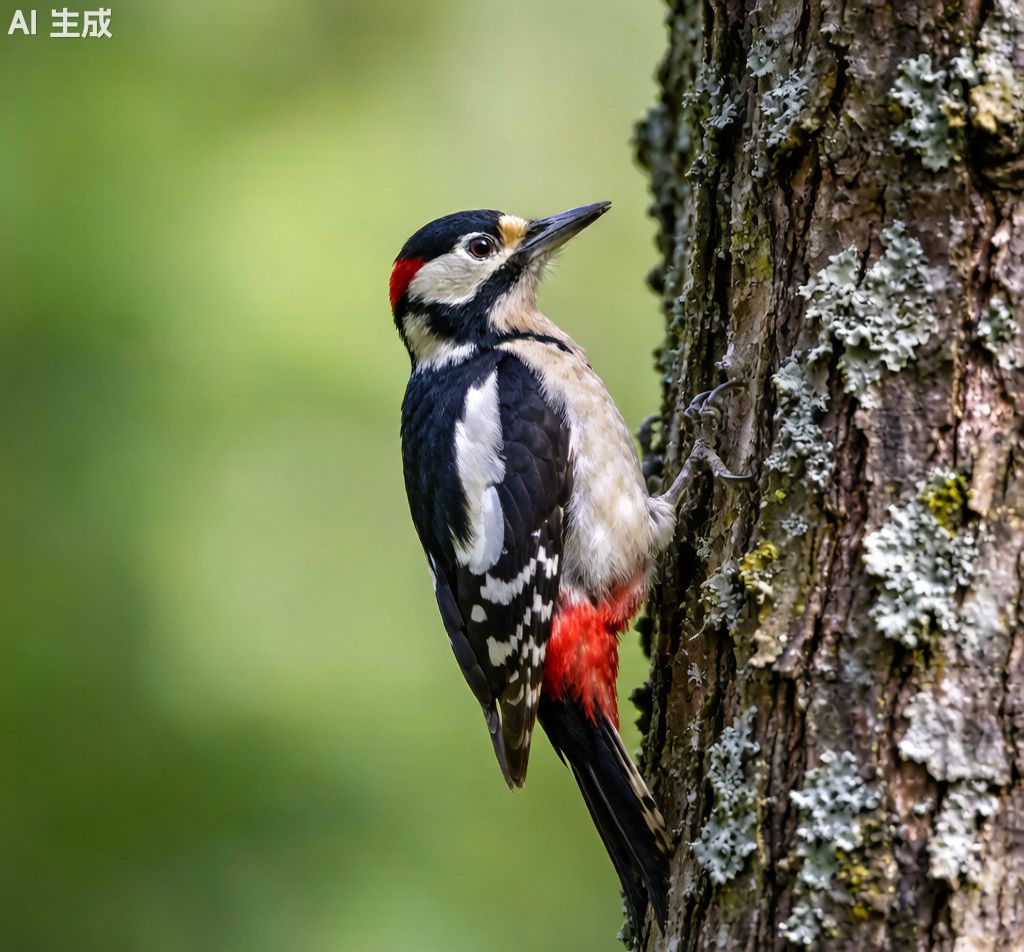
Introduction
The Great Spotted Woodpecker (Dendrocopos major) is one of Europe’s most recognizable woodland birds, known for its striking black-and-white plumage and rhythmic drumming. This adaptable species inhabits a wide range of wooded habitats from pristine forests to urban parks. The great spotted woodpecker plays an important ecological role by excavating nesting cavities later used by other species, and by controlling tree-dwelling insect pests. Its distinctive call and drumming are characteristic sounds of European forests.
The great spotted woodpecker’s ability to thrive in both ancient forests and suburban parks makes it an excellent ambassador for woodland conservation. Its presence often indicates a healthy, structurally diverse tree population. The species’ drumming peaks in early spring as males advertise territories.
Taxonomy
Dendrocopos major belongs to the family Picidae, which includes woodpeckers, wrynecks, and piculets. The genus Dendrocopos contains several spotted woodpecker species found across Eurasia. The great spotted woodpecker is the most widespread and familiar member of this group in Europe. Genetic studies have clarified relationships among the numerous subspecies across its range.
Physical Characteristics
Great spotted woodpeckers measure 20 to 24 centimeters in length with a wingspan of 34 to 39 centimeters. They have black upperparts with white shoulder patches and barred flanks, and white underparts. Males have a red patch on the nape, while juveniles show red crowns. The species has a strong, chisel-like bill, a stiffened tail for support, and zygodactyl feet with two toes pointing forward and two back. The Eurasian jay shares oak woodland habitats.
Habitat
This species inhabits deciduous and mixed woodlands, parks, gardens with mature trees, and forest edges. It requires trees suitable for excavating nest holes and foraging. The great spotted woodpecker has adapted well to human-modified landscapes including city parks and orchards. The common blackbird also uses the same wooded habitats.
Diet
The diet varies seasonally, including insects, spiders, seeds, nuts, and tree sap. During the breeding season, woodpeckers feed heavily on caterpillars, beetles, and their larvae extracted from bark and wood. In autumn and winter, they consume seeds, particularly from conifers, and cached nuts. The species uses its bill to hammer open seeds and excavate insect galleries. Woodpeckers are important natural controllers of forest pest populations.
Reproduction
Breeding begins in spring when males establish territories through drumming displays. Both sexes excavate a nest hole in a dead or decaying tree trunk or branch. Clutches of four to six white eggs are incubated by both parents for about 12 days. Nestlings are fed by both adults and fledge after three to four weeks. The Eurasian jay may compete for nesting cavities in dead trees.
Provision of nest boxes designed for woodpeckers can supplement natural cavities in young forests lacking dead trees. The species’ presence in urban areas depends on the availability of mature trees and minimal pesticide use. Monitoring drumming counts is a simple method for tracking population trends.
Conservation
The great spotted woodpecker is widespread and not considered threatened, with stable or increasing populations in many regions. The species benefits from mature tree retention and deadwood management in forests. Conservation of old trees and deadwood is critical for nesting habitat. The species is protected under European bird legislation and is a indicator of healthy woodland ecosystems.
Fun Facts
The woodpecker’s drumming is not a call but a communication display, produced by rapid pecking on resonant wood at up to 20 strikes per second. A specialized skull structure absorbs the shock of each impact, preventing brain injury. The species’ tongue can extend up to four times the length of its bill to extract insects from deep crevices. Abandoned woodpecker holes provide homes for owls, bats, and other cavity-nesting species. The great spotted woodpecker can peck up to 12,000 times per day.
Woodpeckers have a specialized toe arrangement and stiff tail that let them cling vertically to tree trunks with ease. Their foraging creates openings in bark that are later used by insects and other birds. The species’ dependence on deadwood highlights the importance of leaving standing dead trees in managed forests.
[…] supports the split. So does the evidence from the genes. The wryneck is a close relative of the Great Spotted Woodpecker (Dendrocopos major). The 2 birds share the family and the same odd tongue. They share the same general plan of the head […]