 By st20113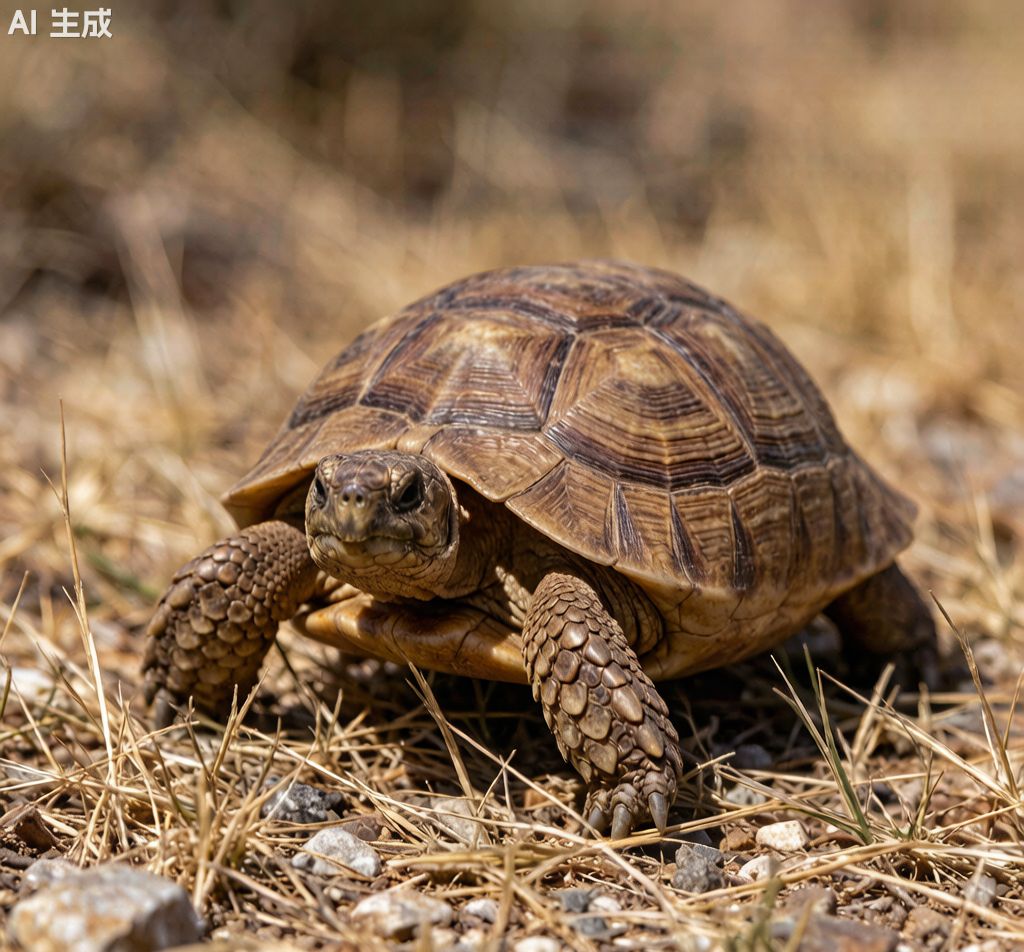
Introduction
The Greek Tortoise (Testudo graeca), also known as the spur-thighed tortoise, is a medium-sized terrestrial tortoise native to the Mediterranean region. This ancient reptile is among the most commonly kept pet tortoises, but in the wild it faces numerous threats from habitat loss and collection. The Greek tortoise is a characteristic inhabitant of scrubland, open woodland, and coastal habitats where it browses on vegetation. Its slow, deliberate lifestyle and longevity have made it a symbol of perseverance in Mediterranean cultures.
The Greek tortoise’s Mediterranean distribution makes it particularly vulnerable to coastal development and tourism pressure. In many areas, roadways bisecting habitats lead to high mortality during seasonal movements. Public awareness campaigns have helped reduce illegal collection in some regions.
Taxonomy
Testudo graeca belongs to the family Testudinidae, the tortoise family. The genus Testudo contains several European tortoise species including the Hermann’s tortoise and the marginated tortoise. The Greek tortoise is variable across its range, with numerous subspecies described. Genetic studies have revealed complex relationships among Mediterranean tortoise populations.
Physical Characteristics
Greek tortoises have a high-domed carapace measuring 15 to 35 centimeters in length depending on subspecies. The shell is typically olive to brown with dark markings and a prominent horny spur on each thigh, giving the species its common name. The head is small with a slightly hooked upper jaw. Males are generally smaller with a longer tail and concave plastron. The grass snake shares some Mediterranean habitats but is quite different.
Habitat
This species inhabits Mediterranean scrubland, open woodland, grassland, and coastal dunes. It prefers areas with a mix of sun and shade, allowing thermoregulation and foraging. Greek tortoises are active during warm months and hibernate underground during winter. The species requires well-drained soils for burrowing and nesting. The common toad may share moist microhabitats in the same region.
Diet
Greek tortoises are herbivorous, feeding on a variety of grasses, leaves, flowers, and succulent plants. They require a high-fiber, calcium-rich diet for proper shell development. In captivity, inappropriate feeding is a major health issue. Wild tortoises may occasionally consume fallen fruit or carrion. The species obtains most of its water from food and dew.
Mediterranean climate variability means tortoises must carefully balance basking and shade to avoid overheating in summer and freezing in winter. Their burrows provide microclimates that buffer extreme temperatures. Understanding these behavioral adaptations is key to effective conservation planning.
Reproduction
Mating occurs in spring after emergence from hibernation. Females lay clutches of two to twelve eggs in shallow nests dug in soft soil. Eggs incubate for two to three months, with temperature influencing hatchling sex. Young tortoises emerge in late summer and must fend for themselves immediately. The species is long-lived, with individuals potentially reaching 50 years or more. The red fox is a major predator of eggs and juveniles.
Local communities play a crucial role in tortoise conservation by reporting road crossings and supporting protected areas. Captive breeding for conservation must be carefully managed to avoid mixing subspecies. Ecotourism focused on respectful observation can provide income that incentivizes habitat preservation.
Conservation
The Greek tortoise is classified as Vulnerable due to habitat loss, collection for the pet trade, and road mortality. Conservation measures include habitat protection, regulation of trade, and public education. The species is protected under international agreements including CITES. Captive breeding programs support conservation but cannot replace wild habitat protection.
Fun Facts
Greek tortoises can completely retract their limbs and head into their shell for protection. The species navigates using mental maps of its home range, traveling surprising distances to reach favored feeding sites. Tortoises can survive months without food by drawing on stored resources. The Greek tortoise’s shell continues to grow slowly throughout its life. The species has remained largely unchanged for millions of years, a true living fossil of the Mediterranean.
Tortoises can estimate the passage of time and anticipate seasonal changes through internal physiological clocks. Their shells are composed of bony plates covered by keratin scutes, the same material as human fingernails. The Greek tortoise’s gentle demeanor has made it a frequent, though regrettable, target for the pet trade.
[…] species is closely related to the Greek tortoise, the widespread southern European species of the same genus. The two share the genus’ domed […]