 By st20113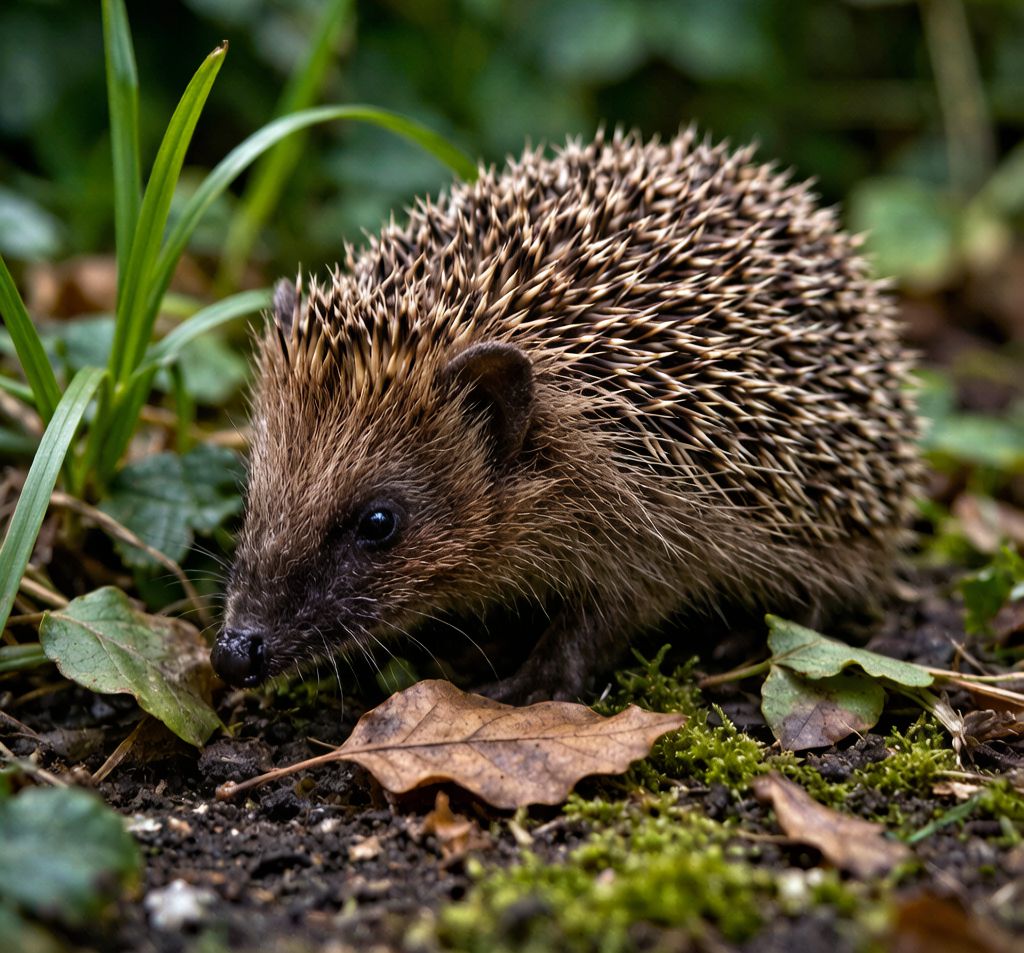
Introduction
The European Hedgehog (Erinaceus europaeus) is a small, spiny mammal found throughout western and central Europe. Known for its distinctive coat of stiff spines, this nocturnal creature is a beloved garden visitor and plays an important role in controlling insect populations. Unlike many mammals that avoid human presence, the hedgehog has adapted well to suburban and urban environments across its range. The European hedgehog is frequently encountered by gardeners who welcome these animals for their ability to control pest populations naturally.
Taxonomy
Erinaceus europaeus belongs to the family Erinaceidae within the order Eulipotyphla. The genus Erinaceus includes several hedgehog species found across Europe and Asia. The European hedgehog is closely related to the northern white-breasted hedgehog and the southern white-breasted hedgehog, with slight morphological differences distinguishing them. Taxonomists have studied the genetic relationships within this group extensively, revealing patterns of diversification during the Pleistocene epoch.
Physical Characteristics
Adult European hedgehogs typically measure 20 to 30 centimeters in length and weigh between 400 and 1200 grams. Their most distinctive feature is the coat of approximately 5000 to 7000 spines covering the dorsal surface. These spines, modified hairs made of keratin, provide excellent protection against predators such as the red fox and the European badger. The face, legs, and belly are covered in soft fur, usually brown or gray. When threatened, the hedgehog curls into a tight ball, presenting only spines to potential attackers.
Habitat
European hedgehogs inhabit a variety of environments including woodlands, hedgerows, farmland, and suburban gardens. They prefer areas with dense ground cover that provides shelter and foraging opportunities. The species is widespread across the British Isles, continental Europe, and has been introduced to New Zealand. Habitat connectivity is crucial for hedgehog populations, as they travel considerable distances while foraging at night. In rural areas, hedgehogs often share habitat with other nocturnal mammals including the common toad, which also benefits from garden habitats.
Diet
The European hedgehog is an opportunistic omnivore with a diet consisting mainly of invertebrates. Beetles, caterpillars, earthworms, and slugs form the bulk of their food intake. They also consume carrion, bird eggs, and occasionally fruits or berries. A single hedgehog can eat up to 100 grams of food per night, making them valuable allies for gardeners dealing with pest insects. Their keen sense of smell helps locate prey in leaf litter and under vegetation. Hedgehogs may also encounter and consume amphibians such as the common frog in wetland habitats.
Reproduction
Breeding season for European hedgehogs typically occurs between April and September. After a gestation period of about 31 to 35 days, females give birth to four to five young, called hoglets. The young are born blind and with soft spines that harden within a few hours. Mothers nurse their offspring for three to four weeks before the young begin foraging independently. Hedgehogs reach sexual maturity at around one year of age. Late-born litters face challenges accumulating sufficient fat reserves before winter hibernation.
Conservation
The European hedgehog faces several conservation challenges, including habitat loss due to agricultural intensification and urban development. Road mortality claims a significant number of hedgehogs each year. Garden hazards such as pesticides, netting, and ponds also pose risks. Conservation organizations recommend creating hedgehog-friendly gardens with log piles, hedgehog holes in fences, and safe access routes. The species is protected under various wildlife regulations across Europe. Population declines have been documented in several countries, prompting increased conservation attention.
Fun Facts
European hedgehogs can swim and climb, though they are not particularly skilled at either. They are one of the few mammals that can safely eat certain toxic beetles due to specialized liver enzymes. Hedgehogs perform a unique behavior called self-anointing, where they lick frothy saliva onto their spines after encountering strong-smelling substances. The purpose of this behavior remains debated among scientists. In gardens, hedgehogs are welcomed as natural pest controllers. Their ability to roll into a defensive ball is one of nature’s most effective predator deterrents, protecting them from threats including the adder whose venom they can tolerate.
[…] requires dense ground vegetation that provides cover and supports its insect prey. Unlike the European hedgehog, pygmy shrews cannot hibernate and remain active year-round. They often occur in the same habitats […]
[…] to challenging environments, from high-altitude foraging to seasonal hibernation or migration. the European hedgehog, the European robin, and the common blackbird frequently coexist with the sorex araneus across […]