 By st20113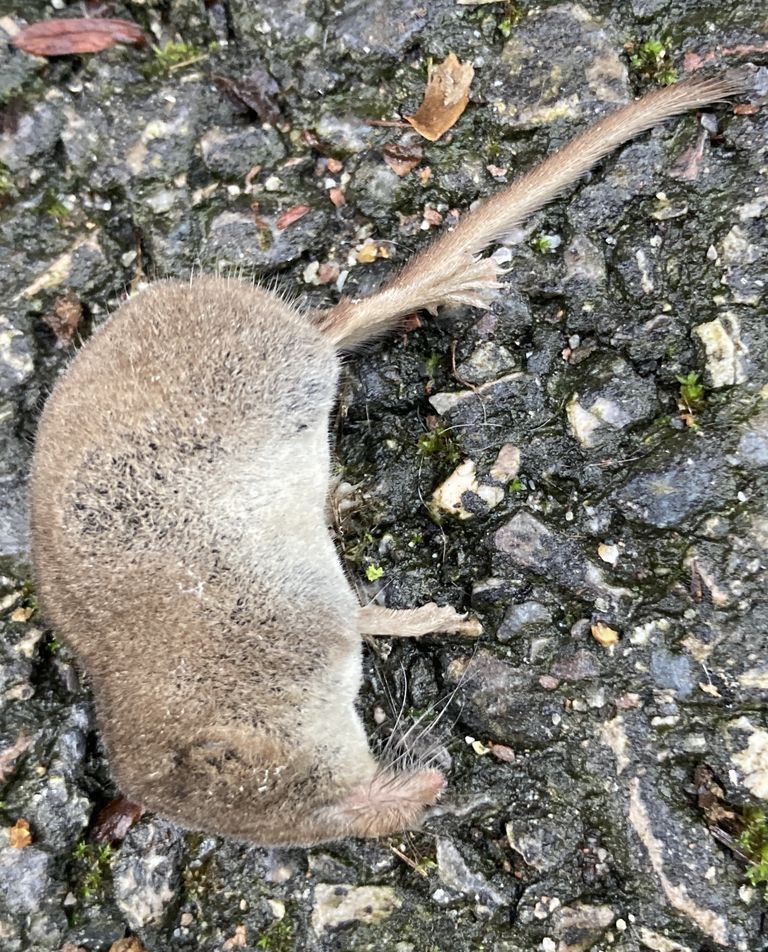
Introduction
The Pygmy Shrew (Sorex minutus) is Britain’s and Ireland’s smallest mammal and one of the smallest mammals in the world. This tiny, insectivorous creature is highly active throughout the day and night, maintaining a voracious appetite to fuel its extremely fast metabolism. Despite its small size, the pygmy shrew is an aggressive hunter that will take prey larger than itself. The species is widespread across Europe and Asia but is often overlooked due to its small size and secretive habits.
Taxonomy
Sorex minutus belongs to the family Soricidae, the shrews. The genus Sorex contains over 150 species of shrews distributed across the Northern Hemisphere. The pygmy shrew is closely related to the common shrew, from which it is distinguished primarily by its smaller size. Genetic studies have clarified relationships within this widespread and diverse genus.
Physical Characteristics
The pygmy shrew is tiny, measuring just 4 to 5 centimeters in body length with a tail of 3 to 4 centimeters. Weight ranges from 2 to 6 grams, making it one of the world’s smallest mammals. The fur is brownish-grey above and paler below, with a relatively long tail compared to body size. The snout is pointed and mobile, and the eyes are tiny. The common shrew is similar but noticeably larger, typically weighing 5 to 14 grams.
Habitat
Pygmy shrews inhabit a wide variety of habitats including grasslands, meadows, hedgerows, woodlands, moorlands, and mountain heaths. The species requires dense ground vegetation that provides cover and supports its insect prey. Unlike the European hedgehog, pygmy shrews cannot hibernate and remain active year-round. They often occur in the same habitats as common shrews but at lower population densities.
Diet
Despite its tiny size, the pygmy shrew has an extremely high metabolic rate and must consume its body weight in food every day. Diet consists primarily of small invertebrates including spiders, beetles, flies, springtails, and larvae. The species uses its pointed snout and sharp teeth to locate and capture prey among leaf litter and vegetation. Pygmy shrews are aggressive hunters that may tackle prey nearly as large as themselves.
Reproduction
Breeding occurs from April to September, with females producing two to three litters per year. Gestation lasts about three weeks, and litters contain four to seven young. Newborn shrews are tiny and undeveloped, growing rapidly on their mother’s milk. Young shrews leave the nest after about 22 days and reach sexual maturity the following spring. Population density fluctuates considerably depending on food availability and weather conditions.
Conservation
The pygmy shrew is not considered globally threatened, but population declines have been documented in some areas due to habitat loss and agricultural intensification. The species is vulnerable to severe winters and drought conditions that reduce prey availability. Conservation of rough grassland and hedgerow habitats benefits pygmy shrews and other small mammals. The species plays an important role in food webs as both predator of invertebrates and prey for larger animals.
Fun Facts
Pygmy shrews have a heartbeat rate of over 1,000 beats per minute, one of the fastest of any mammal. They cannot survive for more than a few hours without food due to their extreme metabolic rate. Despite their name, pygmy shrews are not closely related to tree shrews or elephant shrews, which belong to different mammalian orders. The brown long-eared bat preys on pygmy shrews in some woodland habitats. The pygmy shrew’s extremely small size creates unique physiological challenges that have fascinated scientists for decades. Its high metabolic rate requires constant foraging throughout the day and night. Research has revealed that pygmy shrews must consume energy equivalent to their body weight every few hours to survive. The species plays an important role in food webs as both predator of small invertebrates and prey for larger predators including birds of prey and mammals. Population densities fluctuate dramatically between years depending on weather conditions and food availability. Conservation of rough grassland and uncultivated field margins benefits pygmy shrews and other small mammals.