 By st20113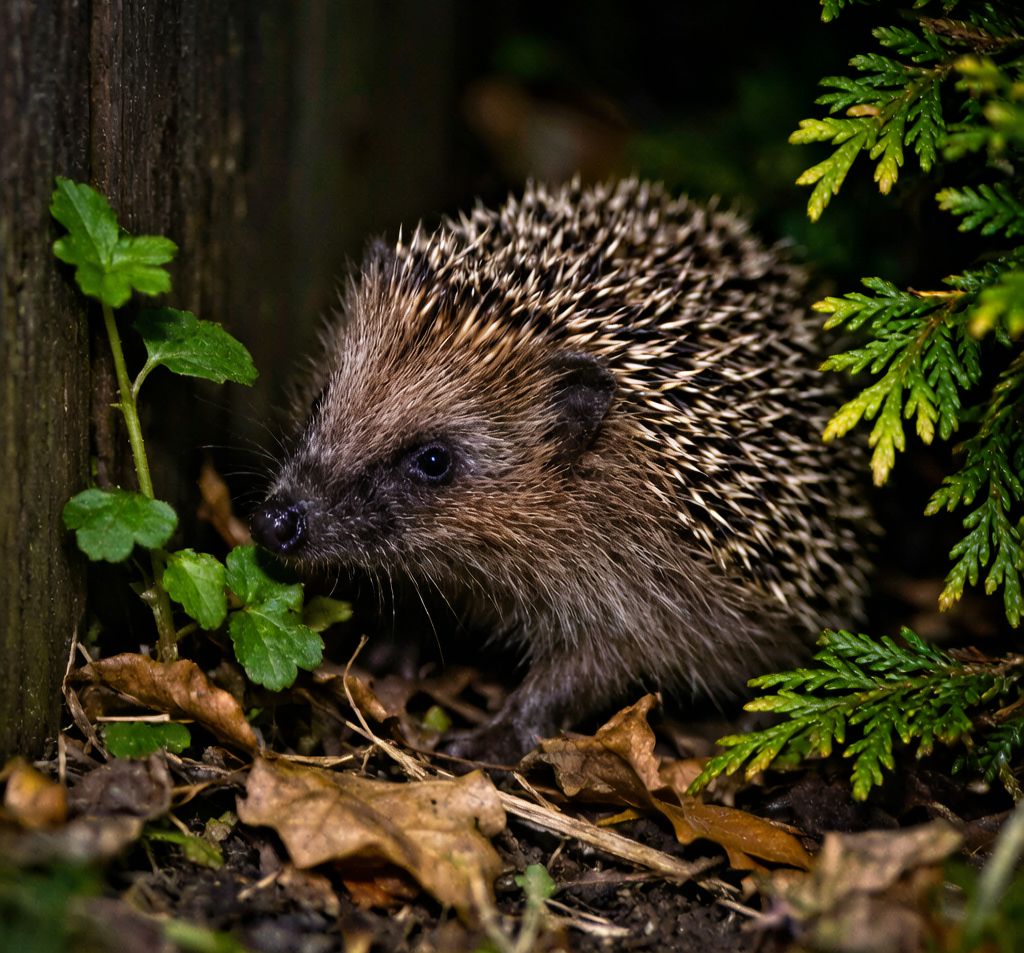
Introduction
The West European Hedgehog (Erinaceus europaeus) is a subspecies of the European hedgehog found primarily in western Europe including the British Isles, France, Spain, and Portugal. This small mammal is distinguished by its spiny armor and nocturnal habits. As a generalist species, it has successfully colonized both natural and human-modified landscapes across its range. The western populations show particular adaptation to the Atlantic climate zone, with its milder winters and higher rainfall compared to continental Europe. This species exemplifies the rich biodiversity of European ecosystems and the importance of conservation efforts across the continent. Natural habitats continue to face pressures from human activities including agriculture, urbanization, and climate change. Understanding species ecology and implementing effective conservation measures remain critical priorities for maintaining healthy populations of wildlife throughout Europe. The species represents an important component of its ecosystem and contributes to the ecological processes that maintain healthy natural environments.
Taxonomy
Erinaceus europaeus belongs to the family Erinaceidae. The western European populations show slight genetic differentiation from their eastern counterparts. Taxonomists recognize the species as part of the Erinaceus europaeus complex, with ongoing debate about subspecies boundaries. The name Erinaceus derives from the Latin word for hedgehog, while europaeus refers to its European distribution. Recent genetic studies have helped clarify relationships within this species complex.
Physical Characteristics
West European hedgehogs display the characteristic spiny coat common to all hedgehogs, with 5000 to 7000 sharp spines covering the back. The spines are hollow and made of keratin, each attached to a muscle that allows limited movement. Body length ranges from 20 to 35 centimeters, and weight varies seasonally, with individuals fattening up before winter hibernation. Coloration includes brown to dark gray spines with lighter fur on the underside. Males and females appear similar externally, with males typically larger.
Habitat
This subspecies inhabits temperate regions of western Europe, favoring areas with mixed vegetation. Hedgerows, woodland edges, and gardens provide ideal foraging grounds. In agricultural landscapes, they prefer pasture and field margins over intensively managed cropland. Urban populations have become established in parks and residential areas, where they often come into contact with domestic pets and vehicles. Hedgehogs may share their habitat with the grass snake, which also frequents garden ponds and compost heaps.
Diet
The diet of the West European hedgehog consists predominantly of invertebrates, particularly beetles, caterpillars, slugs, and earthworms. They opportunistically take small vertebrates, eggs, and some plant material. Foraging occurs primarily at night, with hedgehogs covering distances of one to two kilometers in search of food. Their sense of smell is highly developed, compensating for relatively poor eyesight. In areas where the wild boar has been reintroduced, hedgehogs may benefit from the soil disturbance these animals create.
Reproduction
Mating occurs from late spring through summer. Females may produce one or two litters per year, with an average of four to five hoglets per litter. Newborns are altricial, born blind and helpless with soft spines. Maternal care lasts about six weeks. Young hedgehogs must accumulate sufficient fat reserves before their first hibernation, which poses a critical survival challenge. Second litters born late in the season face particularly high mortality rates.
Conservation
Western European hedgehog populations have declined in recent decades due to habitat fragmentation, agricultural intensification, and road mortality. Conservation status varies by country, with some regions reporting stable populations while others show significant decreases. Conservation measures include creating wildlife corridors, reducing pesticide use, and public education campaigns. Many countries have established hedgehog rescue centers to rehabilitate injured individuals. The species has become a flagship for urban wildlife conservation.
Fun Facts
West European hedgehogs are among the most popular garden wildlife species, frequently featured in children’s literature and media. They have relatively long lifespans for small mammals, living up to seven years in the wild. Their ability to roll into a defensive ball is one of nature’s most effective predator deterrents. Hedgehogs are immune to adder venom, allowing them to prey upon these snakes without harm. They can also tolerate toxins from certain beetles that would be deadly to other mammals. The roe deer and hedgehog represent two very different but successful mammal strategies in western European landscapes.