 By st20113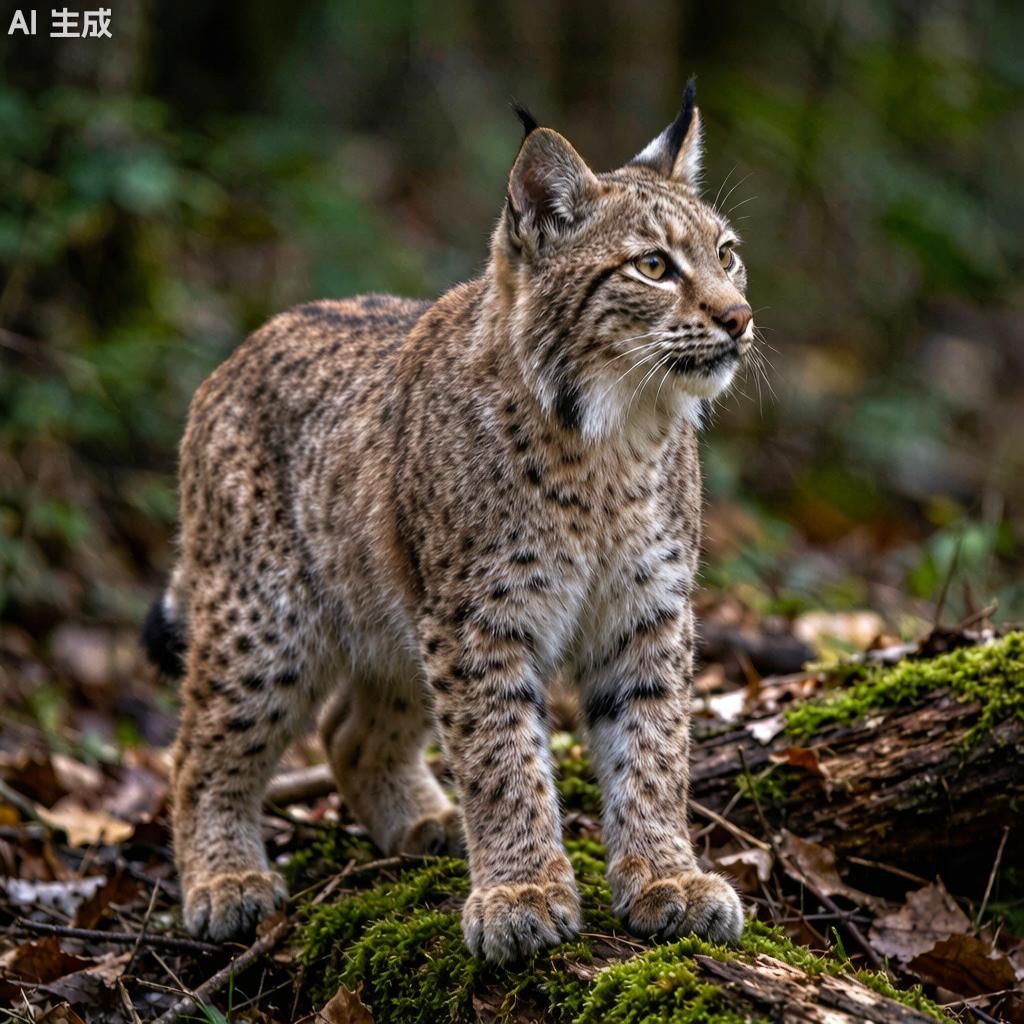
Introduction
The bobcat, Lynx rufus, is a medium-sized wild cat native to North America, ranging from southern Canada to central Mexico. Named for its short, “bobbed” tail, it is the most common wild feline on the continent. Bobcats are adaptable predators that thrive in forests, deserts, swamps, and even suburban fringes. They are solitary and mostly nocturnal, though they may hunt at dawn or dusk. Excellent climbers and swimmers, they stalk a wide variety of prey. The larger cougar shares much of its range but occupies a different ecological niche.
Taxonomy
Lynx rufus belongs to the genus Lynx within the family Felidae, alongside the Canada lynx, Eurasian lynx, and Iberian lynx. Its closest relative is the Eurasian lynx, from which North American lynxes diverged after crossing the Bering land bridge. The species is divided into several subspecies across its range, differing slightly in size and coat color. Genetic studies confirm the bobcat’s distinct identity despite superficial similarity to the Canada lynx. The genus name Lynx derives from the Greek for “light” or “brightness,” a reference to the cat’s reflective eyes.
Physical Characteristics
Bobcats weigh between 6 and 18 kilograms, with males noticeably larger than females. They have a tawny to grayish-brown coat marked with black spots and bars, providing excellent camouflage against dappled forest light. The ears are topped with short black tufts, and the face bears ruff-like sideburns. Their short tail, tipped with black on top and white underneath, is a key field mark. Powerful hind legs enable explosive leaps of several meters when ambushing prey. Like the red fox, the bobcat uses stealth and patience, but it is a far stronger and more versatile hunter.
Habitat
Bobcats occupy an extraordinary range of habitats, from dense woodlands and riparian corridors to arid scrub and mountainous terrain. They require some form of cover for denning, such as rock ledges, hollow trees, or dense thickets. They are remarkably tolerant of human development and may establish territories on the edges of towns. Across their range they overlap with opportunistic omnivores such as the raccoon, though the two rarely interact directly. Home ranges vary greatly in size depending on prey density and terrain, with males holding larger territories than females.
Diet
Bobcats are carnivorous generalists, preying mainly on rabbits and hares but also taking rodents, birds, reptiles, and occasionally deer fawns. They are patient stalkers, using cover to approach within a few meters before launching a sudden pounce. Scavenging supplements their diet when hunting is poor. They cache leftover kills to return to later. Smaller prey such as the opossum and various rodents form a substantial part of their intake in many regions. Bobcats help regulate prey populations, contributing to ecosystem balance across their diverse habitats.
Reproduction
Mating season peaks in late winter, though it can extend into spring. After a gestation of about 60 to 70 days, the female births a litter of one to six kittens in a secluded den. The kittens are born blind and helpless, opening their eyes after roughly ten days. They remain with the mother through their first winter, learning to hunt before dispersing the following spring. Males do not participate in raising the young. A female may breed again the next year, and in favorable conditions can produce a litter annually.
Conservation
The bobcat is listed as least concern by the IUCN and remains widespread and abundant. Once heavily trapped for its fur, populations have recovered strongly following regulated management and protected status in many areas. The species’ adaptability to fragmented and human-dominated landscapes has been central to its success. Vehicle strikes and habitat loss are the main modern threats, but the bobcat continues to expand its range northward as forests regrow. Sustained monitoring and responsible fur harvesting keep the species secure across most of its North American distribution.
Fun Facts
A bobcat can leap up to 3 meters horizontally and 2 meters vertically in a single bound. Its distinctive call resembles a loud, coughing bark rather than a domestic meow. Bobcats are excellent swimmers, though they avoid water when possible. Their spotted coat pattern is unique to each individual, much like a fingerprint. Despite their small size, bobcats have been documented killing prey several times their own weight. They can survive long periods without food by relying on fat reserves between successful hunts.
[…] Coexistence with livestock farmers requires compensation schemes and guard animals. The smaller bobcat fills a similar niche in North […]