 By st20113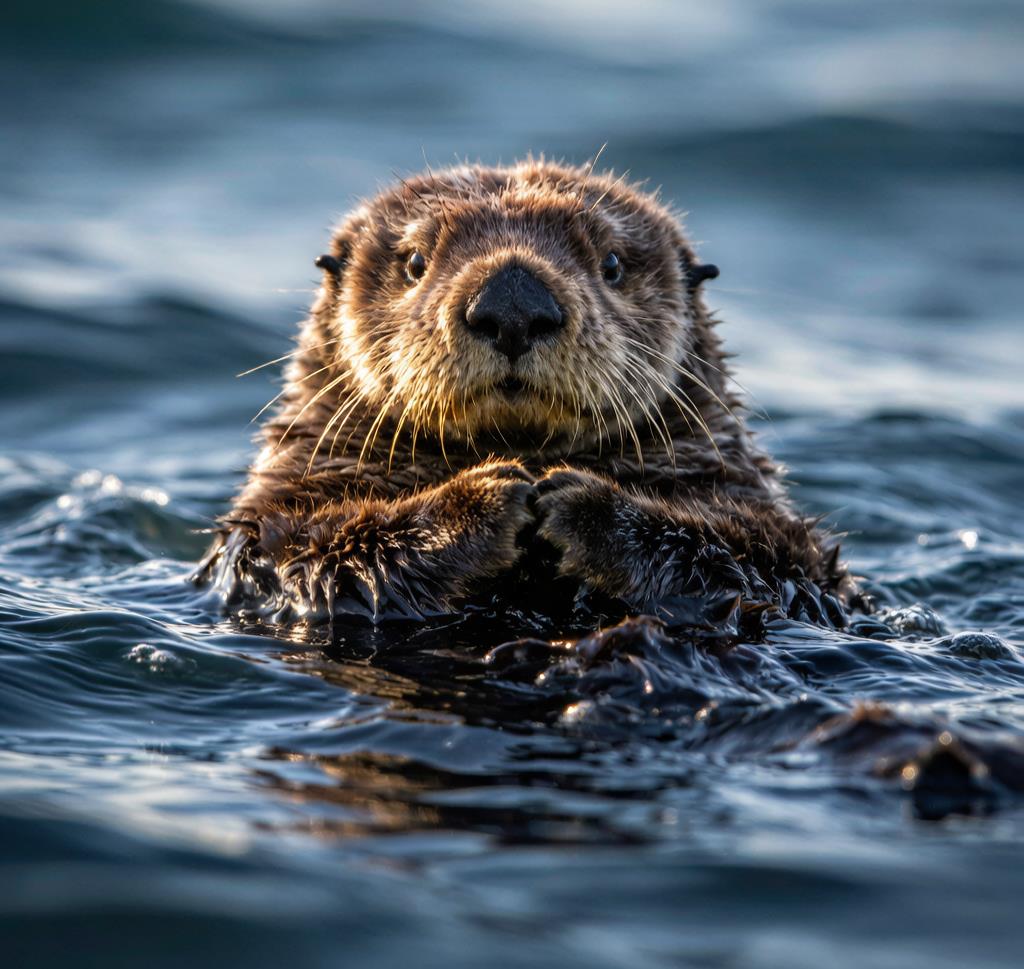
The sea otter (Enhydra lutris) is the heaviest member of the weasel family (Mustelidae) and the only otter that spends almost its entire life in the ocean. Native to the coastlines of the northern Pacific Ocean, sea otters once ranged from Japan to the Baja California Peninsula but were nearly driven to extinction by the fur trade in the 18th and 19th centuries.
Adult sea otters weigh 14 to 45 kilograms (30 to 100 pounds) and measure 1 to 1.5 meters (3.3 to 5 feet) in length. Unlike other marine mammals, sea otters have no blubber – instead, they rely on the densest fur of any mammal, with up to one million hairs per square inch, to trap a layer of insulating air next to their skin.
Sea otters are marine ecosystem engineers. By preying on sea urchins, they help maintain the health of kelp forests, allowing the kelp to grow and provide habitat for countless other species. This trophic cascade demonstrates the critical role that individual species can play in maintaining ecosystem balance.
Sea otters are among the few marine mammals known to use tools. They use rocks to crack open hard-shelled prey such as mussels, clams, and sea urchins, floating on their backs while doing so. They carry a favorite rock in a pouch of loose skin under their foreleg to use when needed.
These social animals live in groups called rafts, typically consisting of 10 to 100 individuals. Each raft is segregated by sex – males and females do not typically associate outside of mating. Sea otters consume 20 to 33 percent of their body weight in food each day to maintain their high metabolic rate and body temperature.
The sea otter is classified as Endangered, with total populations estimated at 100,000 to 150,000 individuals. Threats include oil spills, entanglement in fishing gear, habitat degradation, and predation by orcas and sharks.
[…] with surprising agility. The river otter is equally comfortable on land and in water, unlike the sea otter, which rarely comes ashore. Today the river otter is a conservation success story, having recovered […]
to Neovison, a genus it shares only with the extinct sea mink of New England. Like its relative the sea otter, the mink belongs to the diverse mustelid family, which also includes weasels, badgers, and