 By st20113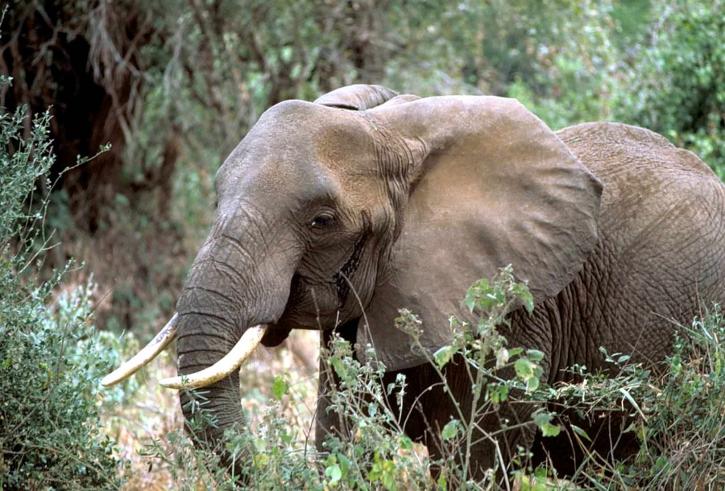
The African elephant (Loxodonta africana) is the world’s largest living land animal, an iconic megafauna species that plays a pivotal ecological role in the savannas, forests, and semi-desert regions of sub-Saharan Africa. Two subspecies are recognized: the African bush elephant (L. a. africana) and the African forest elephant (L. a. cyclotis).
Physical Characteristics
African elephants are massive, weighing between 2,700 and 6,000 kilograms (6,000 and 13,200 pounds) depending on sex and subspecies. Bulls stand 3.2 to 4 meters (10.5 to 13.1 feet) at the shoulder, while cows are smaller at 2.2 to 2.6 meters. Both sexes possess large ears—much larger than those of Asian elephants—that help regulate body temperature through blood vessel dilation.
Their most distinctive feature is their elongated trunk, a fusion of the nose and upper lip containing over 40,000 muscles. This versatile appendage can be used for breathing, smelling, drinking, grasping objects, and producing vocalizations. Both male and female African elephants grow tusks—large, elongated incisors made of ivory that continue to grow throughout the elephant’s life.
African bush elephants have concave backs, while forest elephants have rounded backs and smaller, more oval-shaped ears.
Social Structure
African elephants live in matriarchal societies led by the oldest and most experienced female, known as the matriarch. Family herds typically consist of related females and their offspring, ranging from 10 to 20 individuals. Bulls leave their natal herd at sexual maturity (around 12 to 15 years) and either roam alone or form loose bachelor groups.
Elephants communicate using a wide range of vocalizations, including low-frequency rumbles that can travel several kilometers across the savanna—a phenomenon known as infrasound communication. They also communicate through seismic vibrations detected through their feet.
Diet and Ecological Impact
Elephants are herbivores consuming up to 150 kilograms (330 pounds) of vegetation daily. Their diet includes grasses, leaves, bark, roots, fruits, and bulbs, varying seasonally and regionally. This habitat-shaping behavior creates ecological diversity, benefiting numerous other species. An elephant pushing over trees opens forest clearings, and their dung disperses seeds across vast distances.
Conservation
African elephants are listed as Endangered on the IUCN Red List. Poaching for ivory remains the greatest threat, despite international trade bans. Habitat loss due to agricultural expansion and human-wildlife conflict also contribute to population declines. Major conservation programs operate across Africa, including protected areas, anti-poaching units, and community-based conservation initiatives.
cooler elevations to the east. Sharing the African landscape with them are giants such as the African elephant and the formidable Cape
[…] simum) is the largest living species of rhinoceros and the second-largest land animal after the African Elephant. Despite its name, its skin is pale gray to slate, not white. The common name likely derives from […]
[…] Within their range, they are often observed alongside other large African wildlife, including African elephants, African lions, and cape […]
[…] provide an important food source. A single carcass of a large herbivore, from a wild deer to an African elephant, can support an entire flock for […]
[…] The tree pangolin (Manis tricuspis), also called the African tree pangolin, is a small, nocturnal mammal found in the rainforests and moist woodlands of west and central Africa. Covered in overlapping, keratin scales that protect it from predators, the pangolin is the only truly scaly mammal on Earth. It spends much of its life in the trees, using a long prehensile tail to anchor itself while foraging for ants and termites. Globally, pangolins are the most trafficked mammals in the world, and the tree pangolin faces intense pressure from the illegal wildlife trade, alongside larger threatened species such as the African elephant. […]
[…] Common Warthog is a wild pig of the open grasslands and woodlands of sub-Saharan Africa, instantly recognizable by […]