 By Iris
The Mamluks | The Soldiers Who Ruled Egypt
Historical Profile · Egypt and Syria
The Mamluks | The Soldiers Who Ruled Egypt
Soldiers bought as boys who took a throne, stopped the Mongols, and built a Cairo that still stands.
AD 1250-1517
Founded
Ain Jalut
Acre
Capital
End
The big picture
Introduction
Mamluk means owned, and the men who carried the name were soldiers bought as boys. They came from the steppe and the Caucasus, and they learned to ride and to shoot before they were set free. Their loyalty ran to the man who had bought them, not to a country. In 1250 a group of them killed the sultan and took his throne. For the next 267 years they ruled Egypt and Syria.
No house, however, held power for long. Crowns changed hands often. The strongest emir took the crown, and the weakest lost his head. Yet the state they built lasted, and it stopped two invasions that had swept everything before them. Cairo grew into one of the largest cities of the age.
Its markets fed a trade that ran from the Nile to the Indian Ocean and on to Venice. That trade paid for the army, and the army, in turn, paid for the state. Then the sea routes changed, and the money went with them. By 1500 the spice cargo was sailing round Africa rather than through Egypt. In 1517 an Ottoman army ended the sultanate.
Setting
Historical Context
Egypt had been ruled by soldiers for centuries before the Mamluks took over. The family of Saladin held the country, and it bought slave troops to hold it. Those troops came from the steppe, where war was the only trade that paid. Any boy taken young could, moreover, rise high. He learned Arabic, took a title and married into a household.
Some rose to command a thousand riders. Others died young. Slaves had no family claim on land. So a sultan could trust him with a province. That trust broke down when the sultans began to buy their own men.
Two regiments then held the city, and each, in fact, watched the other. The river paid for everything, since its flood decided the harvest and the tax. A low flood meant a hungry year, and a hungry year meant a weak government. So the state watched the water more closely than it watched its borders. Grain from the delta fed the city, and the city fed the trade, so one bad season shook the whole structure.
Turning points
Key Events
In 1250 the last sultan of the old line died on campaign, and his widow and her officers took control. A decade later, however, a Mongol army crossed into Syria. At Ain Jalut in 1260 the Mamluks held the field, and the Mongol advance stopped there. Baybars took the throne the same year, and he ruled, moreover, for seventeen. He rebuilt the forts on the coast and took them one by one from the Crusaders.
Antioch fell in 1268. Nobody came to save it. In 1291 Acre fell, and the last Crusader state went with it. Sultans of a second line, drawn from a different barracks, ruled from 1382. Plague struck in 1347, and it came back again and again.
Taxes fell with the population, and the sultans therefore raised what they could from trade. Around 1500 the Portuguese reached the Indian Ocean and took the spice trade away. In 1517 an Ottoman army broke the Mamluk force near Aleppo, and then it took Cairo. The last sultan, indeed, was hanged at a city gate. Even so the officers kept their land, and their households outlived the state.
1
2
3
Who held power
People and Powers
At the top sat the sultan, and below him stood the emirs who commanded the regiments. Each regiment held a quarter of the city and a share of the land. A boy entered as a recruit and rose by service. His old comrades stayed loyal for life, and that bond decided most coups. A caliph lived in Cairo as a figurehead.
Such a title helped a sultan who had taken power by force. Judges ran the law, and four schools of it had courts in the same city. Merchants held the markets, and their guilds set prices and trained apprentices. Tribes of the desert held the roads out of the city, and they could cut one at will, so the sultans paid them instead of fighting. Because the state had no fixed rule for choosing a sultan, every death brought a struggle.
Power rested on the barracks, and the barracks, indeed, knew it. So did the street. A weak sultan, by contrast, ruled only as long as his rivals quarrelled among themselves.
Everyday world
Daily Life and Society
Cairo was a city of narrow lanes, high stone houses and rooftop terraces. Water came by canal and by carrier, and a public fountain served a whole quarter. Bread was cheap, and most families ate grain, oil and onions. Meat, meanwhile, came on feast days. Most days brought bread.
Rich houses held courtyards, fountains and painted rooms. Poor families shared a room above a workshop. Women of the upper class stayed behind screens, and their names rarely appear in records. Women of the markets worked as sellers, spinners and nurses, and some held property in their own name. Slavery was common, and a slave could, in effect, rise to command an army.
Education ran through the mosque and the market. A boy who learned to read could become a clerk, and a clerk could become rich. Girls who learned to read could teach, and a few taught in the great halls. Festivals broke the year into seasons, and the city ate and danced at each one.
Craft and ideas
Trade, Technology and Ideas
Cairo sat at the end of a road that began in India. Spices came up the Red Sea, then overland to the Nile, then down the river to the delta. Venetian and Genoese ships waited at Alexandria for the same cargo. Silver and gold moved the other way, and in addition cloth from Italy went with them. The sultans taxed every stage, and the tax paid for the army.
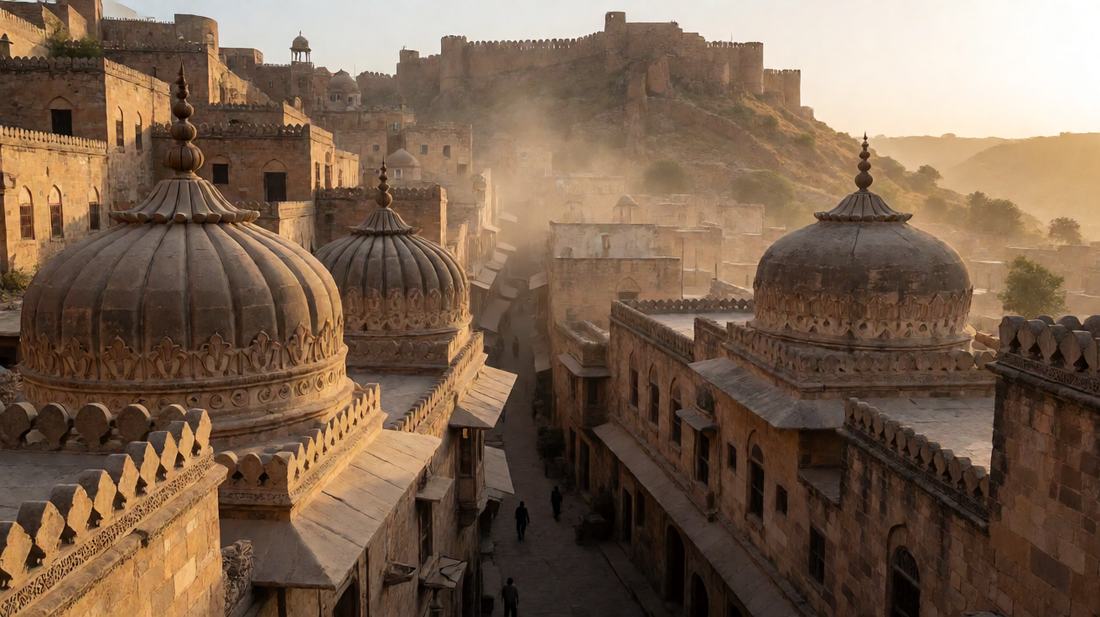
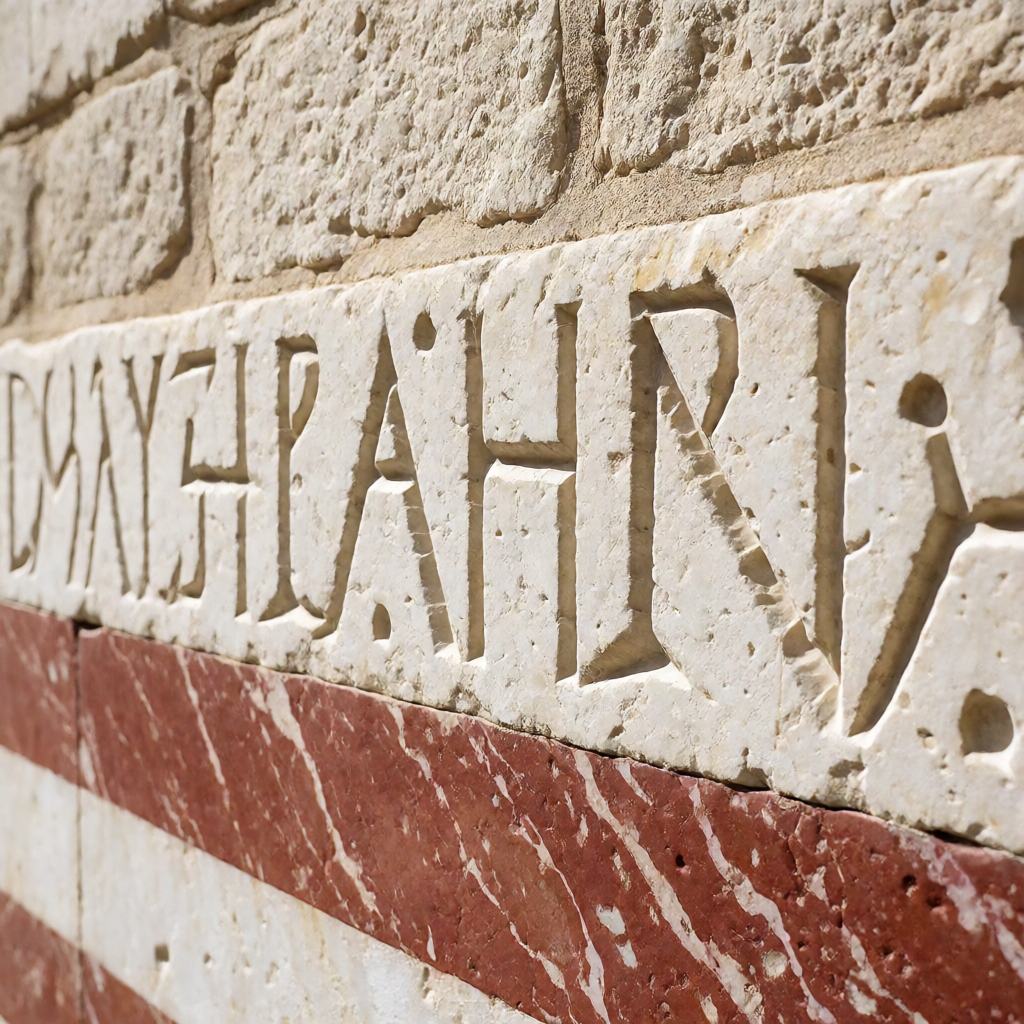
Northern roads tied Cairo to the Silk Road, and southern roads ran for gold. Building, however, was the great art. Stone was cheap. Stone domes, striped walls and carved doors still stand in the old city. Engineers raised a channel that carried water to the citadel, and it ran for centuries.
Medicine and the study of the sky had teaching halls and a lookout on the hill. Paper replaced the old writing sheet, and books became cheap enough for a clerk to own. Ideas travelled with goods, and Cairo kept a copy of most of them as well. That traffic made the city a centre of learning as much as a market.
What lasted
Legacy
The sultanate ended in 1517, but its officers did not. The Ottomans kept the Mamluk households as tax farmers and local lords. They held power in Egypt until 1811, when a new ruler killed their leaders in one morning. Cairo still shows the wealth of the Mamluk century.
Its mosques, its walls and its water works are among the finest of the age. The system they built had a fatal flaw. A state that buys its soldiers must keep buying them, and the price never stops rising. Each new sultan therefore had to find new revenue, and the search drove the tax up.
Money ran out. Even so the Mamluks held a rich land for 267 years. They beat two invasions that looked unstoppable, and they left, after all, a city that still stands.
Side by side
How It Compares
| Point | Mamluk | Ottoman |
|---|---|---|
| Dates | 1250 to 1517 | 1299 to 1922 |
| Core | Egypt and Syria | Anatolia, then the Balkans and the Arab lands |
| Army | Regiments of bought soldiers | Janissaries and free riders |
| Capital | Cairo | Bursa, Edirne, then Istanbul |
| Trade | The Red Sea and the Nile | The Black Sea and the straits |
| End | Beaten near Aleppo in 1517 | Ended after the war of 1914 |
Common misreadings
What People Get Wrong
- Mamluk power never passed from father to son. It moved between barracks, and few sons followed.
- They lost to the Mongols at Ain Jalut. They won in 1260, and the Mongol advance stopped there.
- Shipping moved away, and Cairo felt it. Trade fell, though the city stayed large.
Going further
Sources and Further Reading
- Wikipedia, Mamluk Sultanate
- Encyclopaedia Britannica, Mamluk. Encyclopaedia Britannica, Inc.
- Irwin, R. 1986. The Middle East in the Middle Ages. Croom Helm.
- Petry, C. F. 1994. Protectors or Praetorians? State University of New York Press.
Quick hits
Five Things to Remember
- Mamluks took power in Cairo in 1250.
- They stopped the Mongol army at Ain Jalut in 1260.
- Acre fell to them in 1291.
- The Ottoman army ended the sultanate in 1517.
- Mamluk households still held land in Egypt after 1517.