 By Iris
The Kingdom of Champa | Towers of the South
Historical Profile · Vietnam
The Kingdom of Champa | Towers of the South
A ring of river valleys on the central coast built brick towers, lived off port trade and held out for thirteen centuries before a neighbour from the north took the coast.
AD 192-1471
Founded
Towers
Trade
Reach
End
The big picture
Introduction
Cham ports ran a sea trade for more than a thousand years. Their coast is now central Vietnam. Inland stood a capital, Vijaya, and a ring of brick shrines. Chinese writers called the region Linyi, and later Champa.
People here spoke a tongue related to Malay. They wrote in a script borrowed from India. Their strength lay in harbours, and their weakness lay in rivalry between them. Champa was rarely a single state.
Vijaya fell to a Vietnamese army in 1471. Eight hundred years on, the towers still stand. Coasts that live by trade are always pulled between the powers that use them, and Champa felt that pull in every century.
Setting
Historical Context
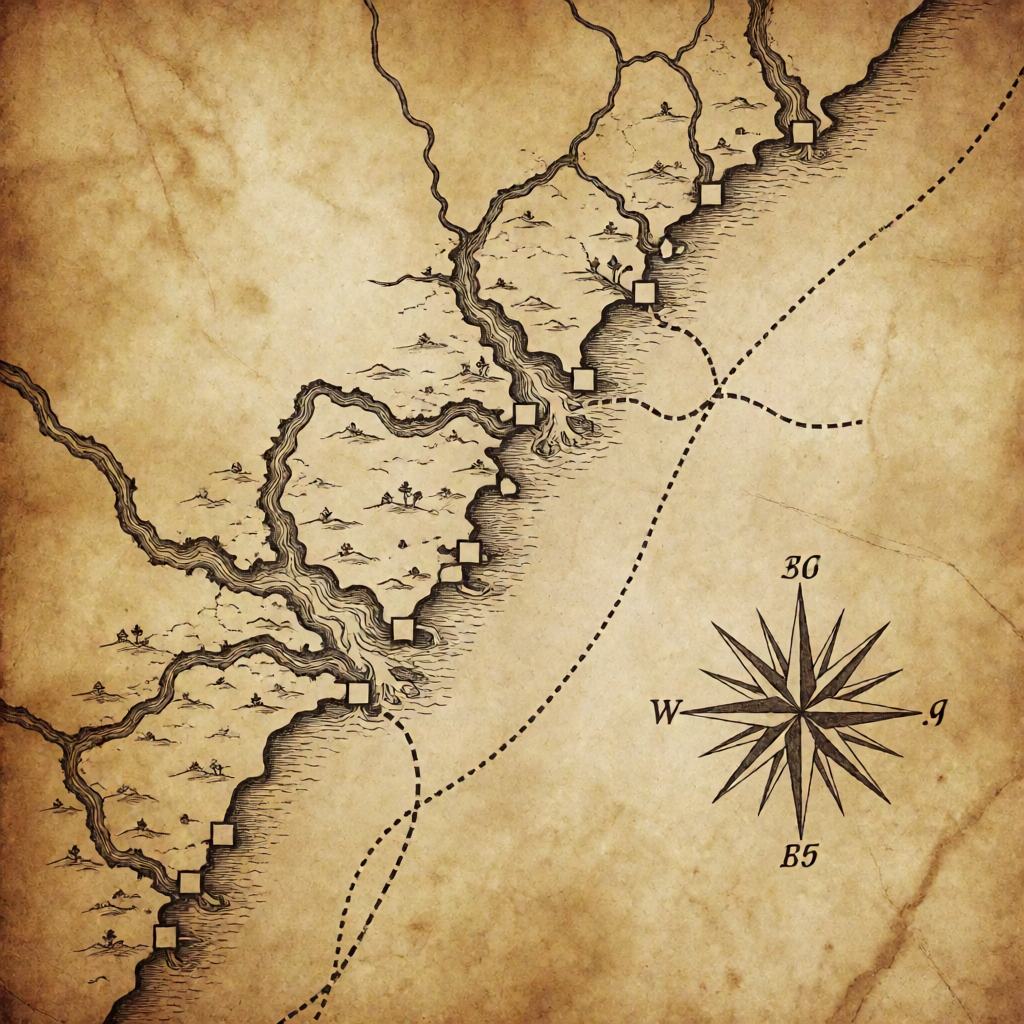
Land here is a strip of plain behind a line of hills. Farming depended on short rivers and on monsoon rain. Indian traders reached these ports in the early centuries. Sanskrit came with them, and so did a temple style. Linyi fought Chinese garrisons to the north. By the seventh century several small states shared the coast.
One name, Champa, covered them all, though no single ruler held them. Each district had a port, a river mouth and a shrine. Unity was rare, and it usually came from a strong ruler at Vijaya. An outside threat could produce the same result for a season. A good harbour made a district rich. A coast of small rivers is rich in harbours but poor in grain, so every district had to trade for what it could not grow.
One shift in the sand could ruin it within a lifetime. Geography here was generous and cruel at once, because the rivers moved. Merchants chose a port by its depth and by its ruler’s temper, and both could change quickly. Deltas that silt up will move a whole trade route, and no king can stop it.
Turning points
Key Events
Wars ran in three directions. Vietnam lay to the north, and it pushed south for centuries. Khmer power lay west. At sea lay Srivijaya, and later Majapahit. In 982 a Vietnamese raid destroyed a Cham capital and took its treasury. In 1177 Cham forces sailed up the Mekong and sacked Angkor.
That was a rare offensive success, and it was never repeated. Khmer armies answered within four years, and they occupied Champa for a generation. Ayutthaya rose in the fourteenth century and took a share of the same trade. Its end came by land. Le Thanh Tong of Dai Viet invaded in 1471 with a large army. Vijaya fell, and the king was taken.
Two enemies at once is more than a small state can carry, and Champa spent its last century fighting three. Northern provinces were annexed. Champa shrank to a small coastal remnant, and it survived as a client for another century. States that fight on three sides lose the side that matters most. For Champa that side was the land border, and no fleet could defend it.
1
2
3
Who held power
People and Powers
Cham kings styled themselves after Indian gods. Temples went up to Shiva, and land was granted to the shrine. Royal claims rested on a temple and on a port. Priests came from families that served the sanctuary for generations. Malay and Indian traders settled in the ports.
Some married into the local elite, and their sons served at court. Society had nobles, temple servants and farmers. Women appear in inscriptions as donors of land. Property could be held by a woman, though public office was closed to her. Defeated families often fled to Java or to the Malay coast.
It returned with foreign backing and a new claim. Rebellion was frequent, and it usually followed a disputed succession. Rival ports could always find a claimant to sponsor, and that kept the centre weak. Power here was a bargain between a shrine, a harbour and a family, and the bargain could be broken.
Everyday world
Daily Life and Society
Grain grew in the river valleys, and it grew well, though the harvest depended on the flood. People also worked the coastal water and cut timber in the hills. Houses stood on posts above the flood line. Temples took a share of the harvest, and it stored grain for bad years. Salt was made along the shore.
Cloth came in by trade, and so did metal. Festivals followed the farm calendar. Shrine feasts could last a week. Cremation was the common rite for the elite, while commoners were buried. Villages paid dues in grain and in labour.
Young men went to the temple works when a tower was being raised. Law was oral outside the court, and a headman settled most quarrels. A household that stored two harvests could survive a flood, but a household that stored one could not. Life was short, and a bad season could empty a district within a year. Villages that kept their own shrine could keep their own gods as well, and that gave it a lever against the crown.
Craft and ideas
Trade, Technology and Ideas
Champa sat on the sea route between Canton and the straits. Ports sold aromatic wood, resin and gold from the hills, and silk came back in turn. Silk came back, and so did porcelain and silver. Cham crews knew the monsoon winds, and they sold that knowledge to every fleet. They guided foreign ships into the river mouths, and they charged for it.
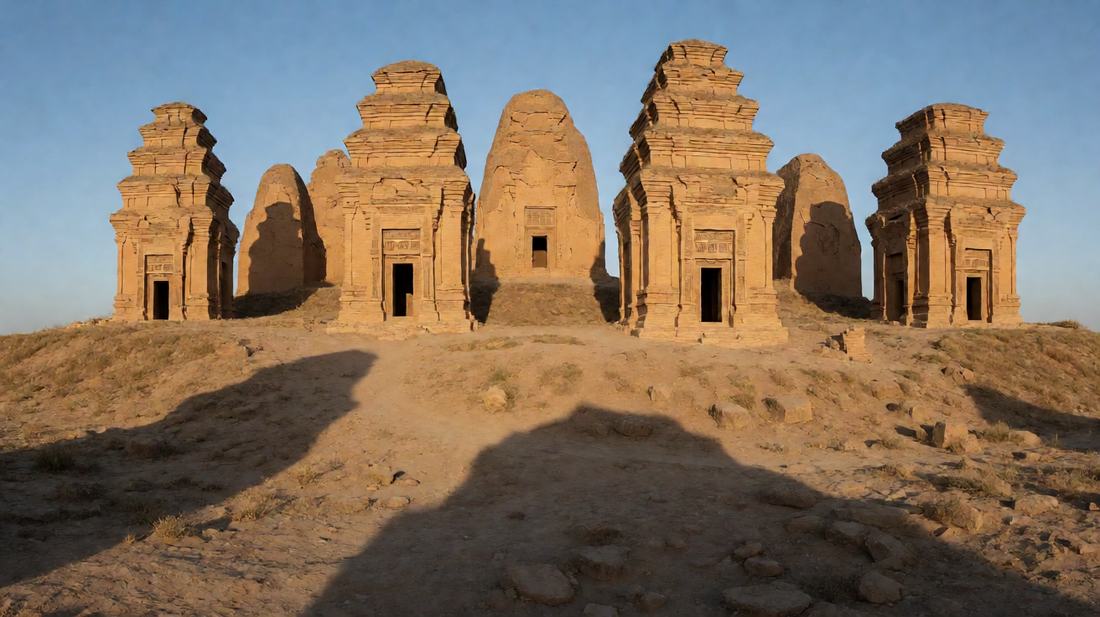
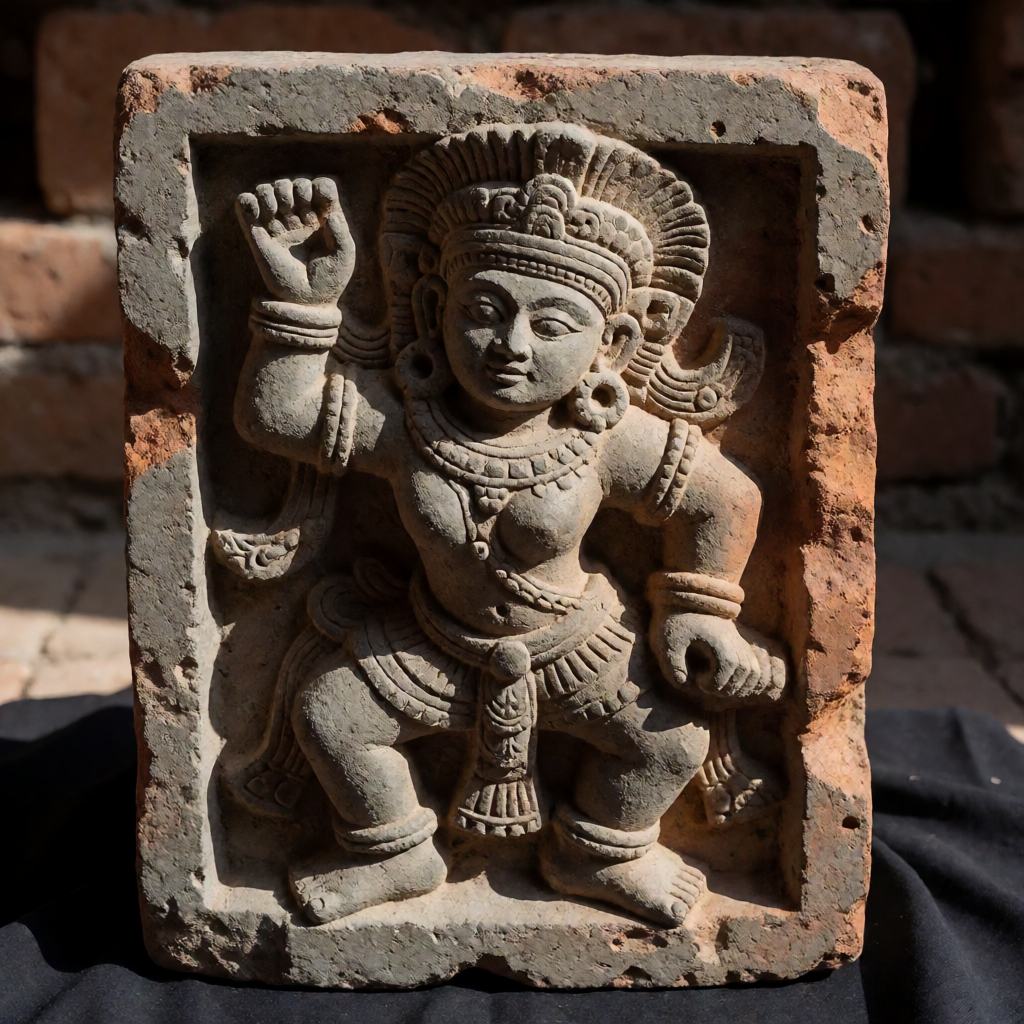
Brick was their signature material, and no other state in the region used it so well. Towers were fired in place, and the mortar has never been fully explained. Sandstone sculpture shows dancers, gods and guardians. Bronze images in the Gupta Empire style have been found in Cham shrines. That link shows how far a religious fashion could travel.
Indian star tables and law were adapted rather than copied. Land grants were recorded in Sanskrit verse, which few locals could read. Writing in stone was a claim to permanence, and the claim was often all that survived, though the stone itself lasted. Temples that keep their records on stone outlive the kingdom that built them, yet the words on the stone are always the words of the winner.
What lasted
Legacy
Champa disappeared, but the people did not. Cham communities survive in Vietnam and Cambodia. Their language is still spoken, though the script is now rare. Towers at My Son and Po Nagar are the main monument, though both sites were damaged in war. Archaeology has shown that Champa was a network rather than a state. That finding changes how its wars should be read.
Trade routes shifted after 1471, and the coast lost its role. Museums in Vietnam now hold the sculpture, and scholars still argue about its dates. Visitors come for the brickwork, and engineers come to study it. A tower that survives eight hundred years carries the memory of everyone who built it, even when their names are gone. Sea powers that leave their mark in stone are a paradox. Yet that is exactly what happened here.
Its coast still trades, and the ports are still in use, though the names have changed. Continuity of that kind is easy to miss, because a map of empires shows only the winners. Even so, the towers still stand. Ports pay better than fields, and thus the coast kept its towns.
Side by side
How It Compares
| Point | Champa | Dai Viet |
|---|---|---|
| Dates | AD 192-1471 | AD 968-1471 |
| Base | Coastal river valleys | The Red River delta |
| Faith | Hindu, then Muslim in the ports | Buddhist, then Confucian |
| Money | Port dues and rice | Rice and silk |
| Army | War fleets and hill troops | Conscript levies |
| End | Capital taken in 1471 | Pushed south after 1471 |
Common misreadings
What People Get Wrong
- Champa is usually described as one kingdom. It was a ring of river valleys that shared a script and fought each other.
- Its people are usually called Indian. The ports were Indian in religion and Malay in trade, and the inland valleys were neither.
- The war of 1471 is usually called a conquest. The northern army took the capital and the coast and left the hills to local chiefs.
Going further
Sources and Further Reading
- Wikipedia, Champa
- Encyclopaedia Britannica, Champa. Encyclopaedia Britannica, Inc.
- Taylor, K.W. 2013. A History of the Vietnamese. Cambridge University Press.
- Mabbett, I. 1994. The Ambiguity of the Cham. Asian Studies Review.
Quick hits
Five Things to Remember
- Champa held the central coast of Vietnam from about 192 to 1471.
- Its people spoke a language related to Malay.
- Cham forces sacked Angkor in 1177.
- Vijaya fell to Dai Viet in 1471.
- Brick towers at My Son are its best known monument.