 By Iris
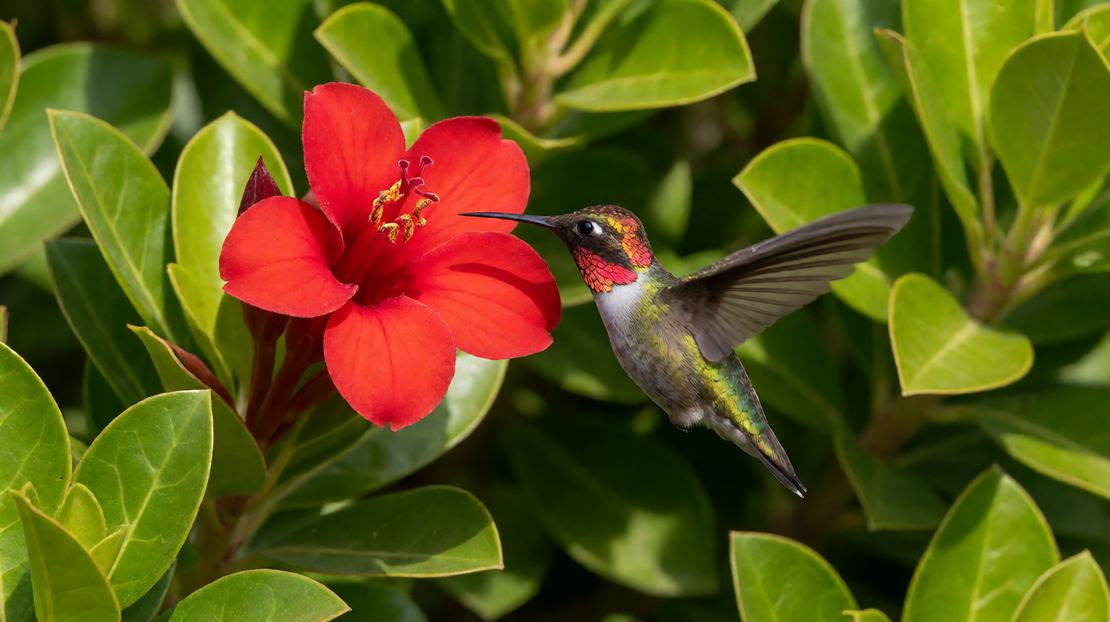
Mellisuga helenae | Bee Hummingbird
Species Profile · Trochilidae
Bee Hummingbird
The smallest bird alive, light enough to sit on a pencil.
Near Threatened
Length
Weight
Wingbeat
Heart
Range
Rating
Five centimetres of Cuban bird
Two grams of feathers and nerve
One male weighs less than a small coin. Its body runs 5.5 cm long. Females grow a bit bigger. Few warm beasts are lighter.
Cuba holds the whole species. Flower scrub covers the low land from the coast up to 800 m. Warm wood and garden edges carry most of the birds. Thickets sit far apart, yet the birds seldom cross open ground between them.
Gardeners plant coral trees, because red blooms give nectar all year. One bird may visit 1,500 flowers in a day. Such traffic makes the bird a main aid to Cuban shrub seed set.
Family tree
Trochilidae, the hummingbirds
Mellisuga helenae sits in Trochilidae, the hummingbird group. Lembeye named it in 1850 from a Cuban skin. Two small groups share the island, and only this one lives there and nowhere else.
Near kin live in South America. Body size fell over a long span, as the birds took to small tube flowers. The Rufous Hummingbird flies 6,000 km each year, while this bird never leaves Cuba.
Both hover at blooms and beat their wings fast. Their bills differ, though, since one is short and straight and the other is long. No subspecies is named today, although old texts list two.
One island, one genus
How to tell one
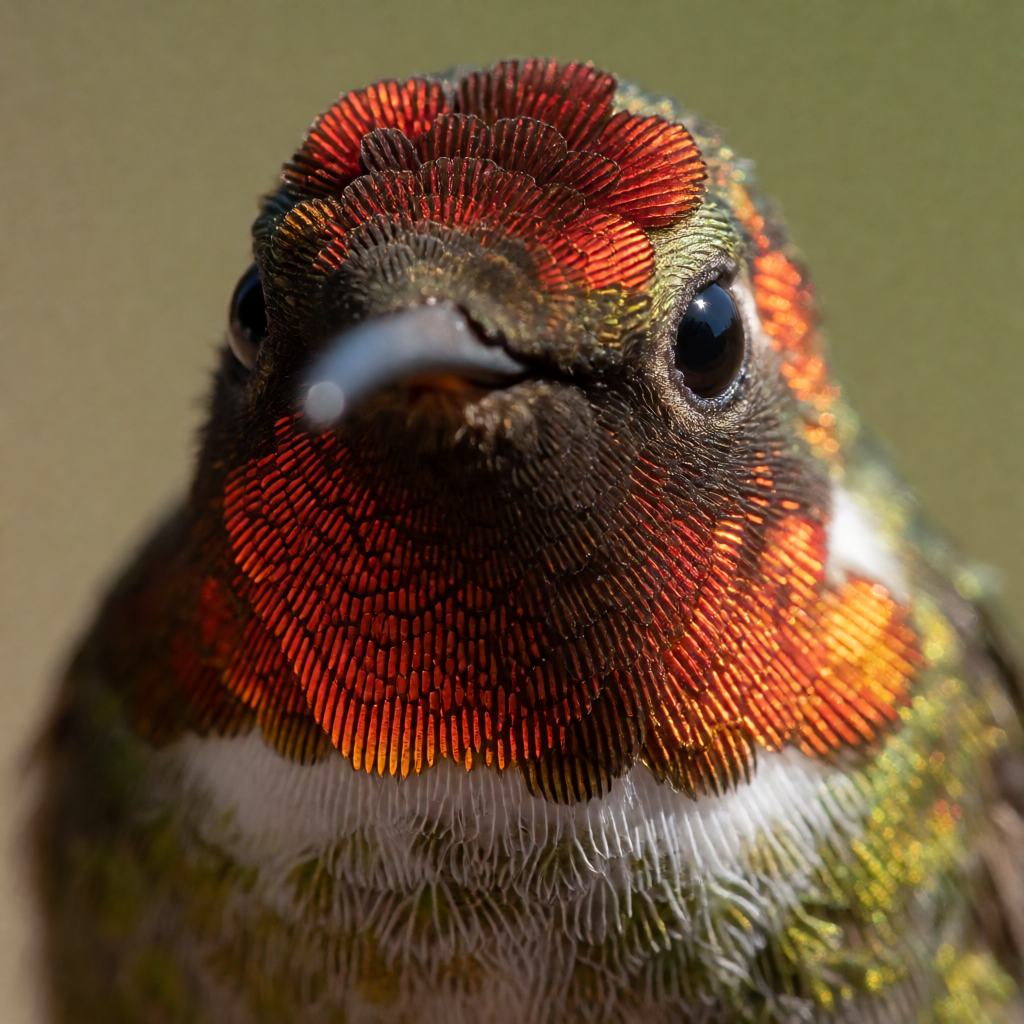
Adult males weigh 1.6 to 2.0 grams. Females reach 2.6 grams and carry a slightly longer bill. Glossy green covers the back, and grey white spreads across the belly. Breeding males show a rose red head and throat.
Light bends inside the feather barbs, so the colour shifts with the view. Wings beat about 80 times a second in hover. Its heart can race past 1,200 beats a minute in flight. Flight muscles make up a quarter of the body mass.
Brain tissue takes 2.5 percent of the total weight. Males of this size must feed every ten to fifteen minutes while awake, since fat stores last under an hour.
1
2
3
A body built for hover
Where it lives
Cuba holds the bird in nine provinces. Thick wood, wet land edges and coast scrub all suit it. Three parks carry the largest groups. Open gaps in the tree roof matter, because the birds need blooms in full sun.
Storms tear the tree roof apart, yet new growth brings a flush of blooms two years on, and the birds come back. Shade grown coffee holds many birds. Mixed gardens hold even more than closed forest. Dry months shrink the flower supply, so local birds drift down to the coast.
Those trips are short, and no ringed bird has turned up in Florida. Seventeen parks cover part of the range, although the gaps between them stay open. Birds that weigh less than a sheet of paper cannot store much fat, so they need blooms every few hours.
Scrub, garden and coast
What it eats
Nectar gives most of the fuel. Spiders and small bugs give the rest, most of all while a female builds. Its forked tongue laps nectar at 13 licks a second. Bills fit certain blooms, and those blooms fit the bill.
Coral tree, hibiscus and agave all open at odd hours. Birds guard a patch of blooms against every other bird that comes in. Males hold ground near the best flowers, while females range far and wide. Hunting comes in short bursts.
Bugs are caught on the wing. Resting birds drop into a deep sleep at night, and the body cools close to the air. That nightly shut down saves enough fuel to last till dawn. One bird may take several hundred small bugs a day, and it catches most of them in mid air.
Nectar and tiny insects
The breeding cycle
Court starts when the rains come. Courtship flights rise 25 m, then dive past the female with a buzz. Females build alone, and no pair bond lasts past mate. Nests sit on thin twigs, and spider silk holds the plant down.
Two eggs come next, each the size of a coffee bean. Sitting takes 14 to 16 days, which is short for a bird. Chicks hatch blind and bare, and the mother feeds them from her throat. Young fly at about 22 days, although they stay near the nest for weeks and still beg from the mother.
Two broods a year are usual, and three come when blooms stay rich. Males take no part in any of this work. Females may raise two broods in a season, and one may start a second nest while the first chicks still beg.
Near Threatened, and still falling
Conservation
The IUCN lists the bird as Near Threatened, under criteria A2ac+3c+4ac. Numbers have fallen for a century, and the trend still points down. Forest cut for crops drives most of the loss. Firewood cutting strips out the small wood lots that the birds need.
Storms add harm on top of that slow press. Cuba guards 17 sites, yet patrols inside them stay thin. Cuban law bans capture, although the cage trade goes on at a low level. Warm seasons may shift the bloom dates, and chicks could hatch after the peak.
Feeders in gardens help, since they add nectar in dry spells. Long term survival rests on keeping the coast scrub whole. Birds this small cannot move far, so one cleared hill can cut a group off from the next.
Side by side
How It Compares
| Trait | Bee Hummingbird | Rufous Hummingbird |
|---|---|---|
| Length | 5.5 cm, and 6.1 cm in the female | 8 cm to 9 cm, with a long straight bill |
| Weight | 1.6 to 2.0 grams in the male | 3 to 4 grams, and heavier before migration |
| Home | Cuban scrub and garden edges, and no other country | western North America in summer, and Mexico in winter |
| Colour | glossy green above with a rose red throat | orange red back and a bright red throat patch |
| Food | nectar from small tube flowers, plus tiny insects | nectar from many flowers, plus flies and gnats |
| Nest | a walnut sized cup on a thin twig, with two eggs | a mossy cup on a conifer branch, with two eggs |
Common misreadings
What People Get Wrong
- Many people believe the bird drinks only nectar, yet it also hunts small insects all day.
- Some guides say the species lives across the Caribbean, although Cuba holds the whole population.
- A common claim says the nest holds a single egg, yet two eggs are usual.
Going further
Sources and Further Reading
Quick hits
Five things to remember
- Males weigh less than a two gram coin.
- A hovering bird beats its wings 80 times a second.
- The heart can reach 1,200 beats a minute.
- Two eggs fit on a fingertip.
- The brain takes 2.5 percent of body weight.