 By st20113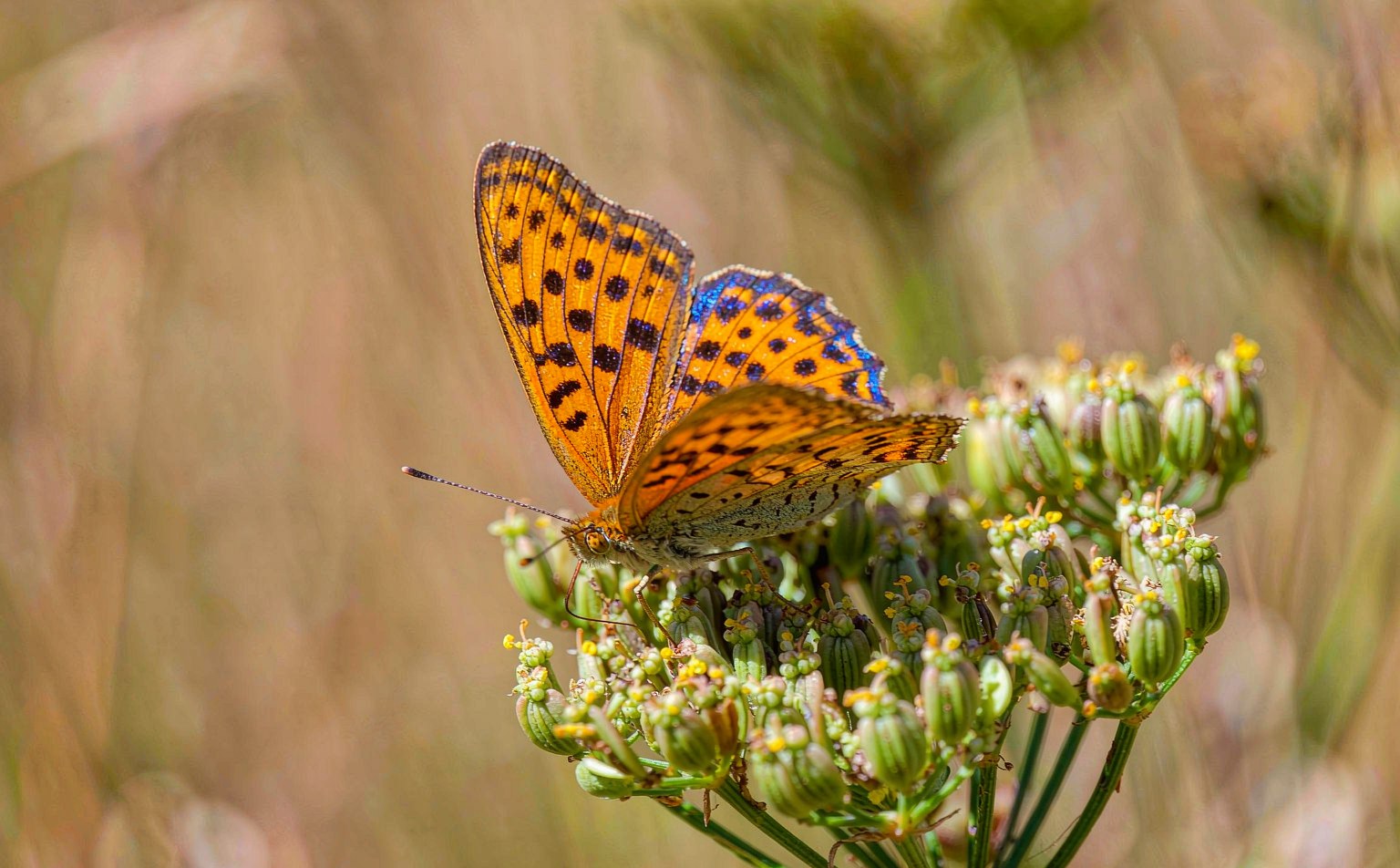
Lycaena phlaeas | Small Copper
Introduction
The Small Copper (Lycaena phlaeas) is a tiny, bright butterfly of grassy paths, heaths, roadside verges and gardens, famed for the glowing orange upper wings edged with dark and marked with a sprinkle of black spots. Despite its name it is not a true copper but a member of the “metalmark” group, and its fiery colour makes it one of the most cheerful sights of a sunny bank. It is restless and pugnacious for its size, darting up to chase away larger butterflies.
Common across Europe and much of the temperate world, the Small Copper is a creature of open, flower-rich ground where its caterpillar’s sorrel food plants grow. Its several broods through the summer mean it can appear almost whenever the sun is out, from late spring to autumn.
Taxonomy
The Small Copper was described by Carl Linnaeus in 1761 and placed in the genus Lycaena within the family Lycaenidae, the gossamer-winged butterflies. The genus name means “coppery,” and the species is among the commonest small lycaenids of European grassy places. It is not a blue or hairstreak, though it shares the family.
It flies in the same open habitats as the Red Admiral and the Peacock Butterfly, and where meadow flowers abound it meets the Small Tortoiseshell among the same blooms.
Physical Characteristics
The Small Copper has a wingspan of just 25 to 35 millimetres, making it one of the smaller European butterflies. The male’s upper wings are bright orange with a dark outer border and a few black spots, while the female is slightly larger and duller, often with extra dark marks. Beneath, both sexes are a soft grey-brown with tiny pale rings, giving good camouflage when at rest.
The body is slim and the antennae club-tipped. The butterfly’s weak, bobbing flight and habit of basking with wings half-open on a warm stone make it easy to approach. The vivid orange of the male is the quickest field mark, flaring as it turns in the sun.
Habitat
Small Coppers inhabit open, sunny, flower-rich grassland: heaths, downland, roadside verges, railway embankments, churchyards, gardens and rough pastures. They need bare or short turf where the caterpillar’s food plants, common and sheep’s sorrel, can grow in the open. They avoid shady woodland and tall, rank grass.
They are resident and produce several broods a year in warmer regions, so adults may be seen from May to October. The butterfly nectars at small flowers such as hawkbits, clovers and buttercups, and the female searches sunny, disturbed ground for sorrel on which to lay.
Diet
The adult feeds on nectar from low, open flowers, favouring small composites like hawkbit and dandelion, plus clovers, thistles and bramble. Its short proboscis suits small blooms, and it is a frequent visitor to weedy flowers along paths and banks.
The caterpillar feeds almost entirely on sorrels, especially common sorrel and sheep’s sorrel, nibbling the leaves of these low plants in open turf. The dependence on sorrel ties the butterfly to short, sunny grassland where the plant thrives, and explains why it favours disturbed, flower-rich ground over closed sward.
Reproduction
The female lays her pale green eggs singly on or near the leaves of sorrel in sunny spots. The caterpillar is small, green and neatly marked, feeding by day and resting low on the plant, and it passes through several instars before pupating on the ground among grass.
There are usually two to four broods a year depending on latitude and weather, so the species is almost continuously on the wing through the warm months. The pupa overwinters in milder areas, and the first fresh coppers of the year appear as the spring sorrel pushes up, completing a cycle bound to open grassland.
Conservation
The Small Copper is widespread and common, with no conservation concern, though it depends on the continued availability of short, flower-rich, unshaded grassland. Intensified grazing, scrub invasion and the loss of roadside and railway verges can reduce local numbers by removing the sorrel and the nectar flowers it needs.
Leaving sunny, disturbed grass with sorrel, managing verges with late cutting, and allowing weedy flowers to persist all help the species. Because it uses common plants in open places, light, sympathetic management of rough grassland is usually enough to keep Small Coppers flying.
Fun Facts
- The male’s wings glow bright orange, but the underside is a camouflaged grey-brown.
- It is feisty for its size, often darting up to chase butterflies much larger than itself.
- Its caterpillar feeds on sorrel, the same sharp-tasting plant that gives sheep’s sorrel its tang.
- There can be three or four broods in a single summer where the weather is kind.
- Despite the name, it is not a true copper but a small gossamer-winged butterfly.