 By st20113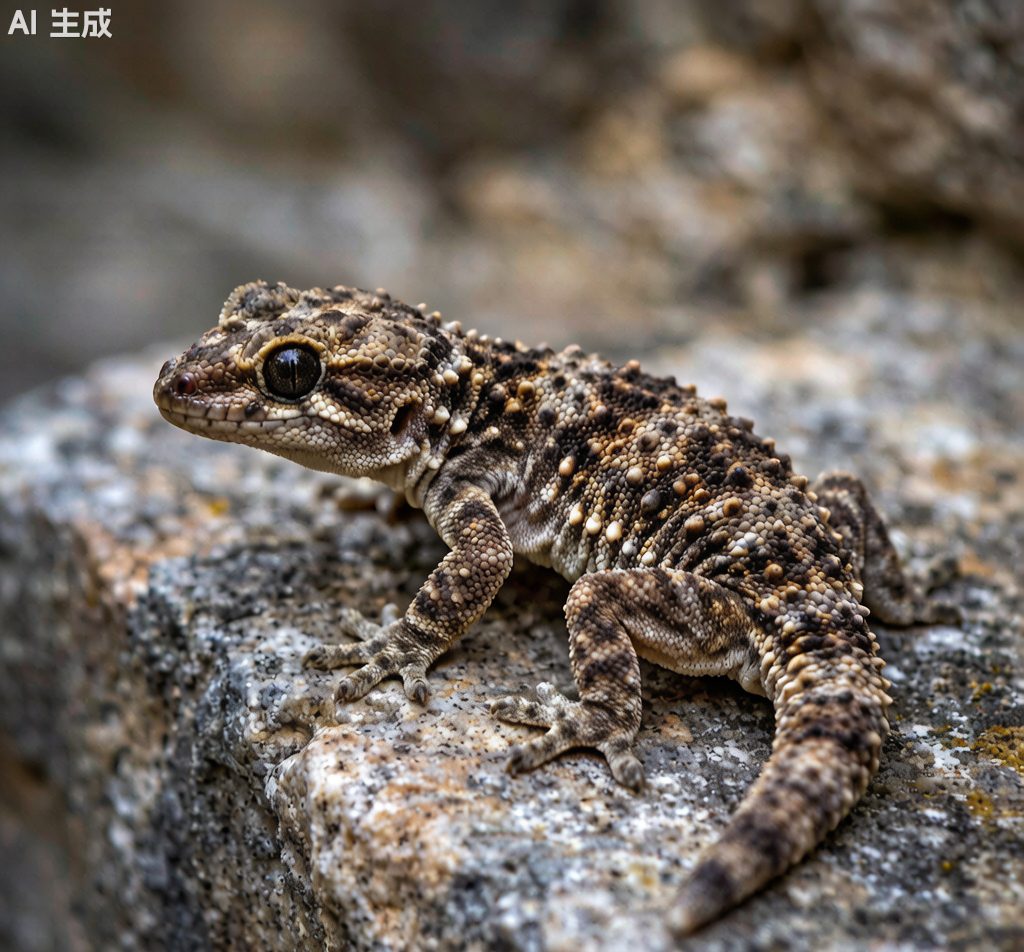
Introduction
The Moorish Gecko (Tarentola mauritanica) is a robust, widespread gecko found across the Mediterranean and increasingly in urban areas. Known for its loud calls and adhesive toe pads, this nocturnal reptile thrives on walls, rocks, and buildings. The Moorish gecko is highly adaptable, often living alongside humans in cities. Its prehistoric appearance and vocalizations make it a familiar Mediterranean resident.
The Moorish gecko’s tolerance of urban environments makes it one of the few reptiles thriving alongside dense human populations. Its presence in cities provides natural pest control by consuming nocturnal insects around lights. Studies of gecko populations help scientists understand how wildlife adapts to urbanization across the Mediterranean.
Taxonomy
Tarentola mauritanica belongs to the family Phyllodactylidae, the leaf-toed geckos. The genus Tarentola contains several Mediterranean gecko species. The Moorish gecko is distinguished by its tubercular, warty skin and stocky build. Genetic studies have revealed complex population structure across its range. The species has been introduced to parts of the Americas.
Physical Characteristics
Moorish geckos reach 12 to 15 centimeters in length including the tail. Their skin is gray to brown with darker bands and numerous raised tubercles, providing camouflage on bark and stone. The toes bear leaf-like expansions with microscopic hairs for clinging. The common lizard is diurnal and lacks toe pads.
Habitat
This species inhabits rocky coasts, dry stone walls, ruins, and building facades. It is strictly nocturnal, emerging at dusk to hunt around artificial lights. The gecko tolerates human presence exceptionally well, often living in cities. The grass snake may inhabit the same warm rocky areas by day.
In natural habitats the Moorish gecko competes with other lizards for crevices and insect prey, shaping local reptile communities. The species’ nocturnal habits reduce overlap with diurnal species. The gecko’s tolerance of heat and aridity suits the Mediterranean climate. Protecting coastal scrub sustains wild populations beyond cities.
Diet
Moorish geckos feed on insects and other arthropods attracted to lights, including moths, crickets, and spiders. They are sit-and-wait predators that dart from perches to capture prey. The species plays a role in controlling nocturnal insect populations around homes. Geckos can detach and regenerate their tails when threatened.
The Moorish gecko’s success in cities illustrates how some reptiles exploit human-modified environments. However, coastal development still threatens wild populations in natural habitats. The species’ tolerance of heat and aridity suits the Mediterranean climate but not colder regions.
Reproduction
Breeding occurs in spring and summer. Females lay pairs of hard-shelled eggs in crevices, walls, or under stones. Eggs hatch after several weeks, and young are independent immediately. The red fox occasionally preys on geckos but is not a major threat.
Preserving old walls, stone structures, and coastal scrub maintains habitat for Moorish geckos in both wild and urban settings. The species benefits from reduced light pollution that can disrupt nocturnal activity. Tolerance of geckos in homes fosters coexistence and natural pest control. The species’ adaptability makes it a low-priority conservation concern but a valuable urban biodiversity indicator.
Conservation
The Moorish gecko is not threatened and is expanding its range through human-associated habitats. The species benefits from the preservation of old walls and stone structures. Conservation of Mediterranean coastal habitats supports wild populations. The gecko is protected under national legislation in some countries.
Fun Facts
The Moorish gecko’s toes can support many times its body weight on smooth vertical surfaces thanks to microscopic hairs. The species produces a series of clicks and chirps, unusual among European lizards. Geckos can clean their eyes with their tongues because they lack eyelids. The Moorish gecko’s tail, if lost, regenerates as a simpler cartilaginous structure. The species has been associated with human dwellings since antiquity.
Moorish geckos can walk across ceilings and vertical glass using millions of microscopic toe hairs that exploit molecular forces. The species’ vocalizations are among the most complex of European lizards, used in territorial and mating contexts. Geckos can regenerate lost tails, though the new tail is supported by cartilage rather than bone. The species’ close association with human settlements dates back thousands of years.