 By st20113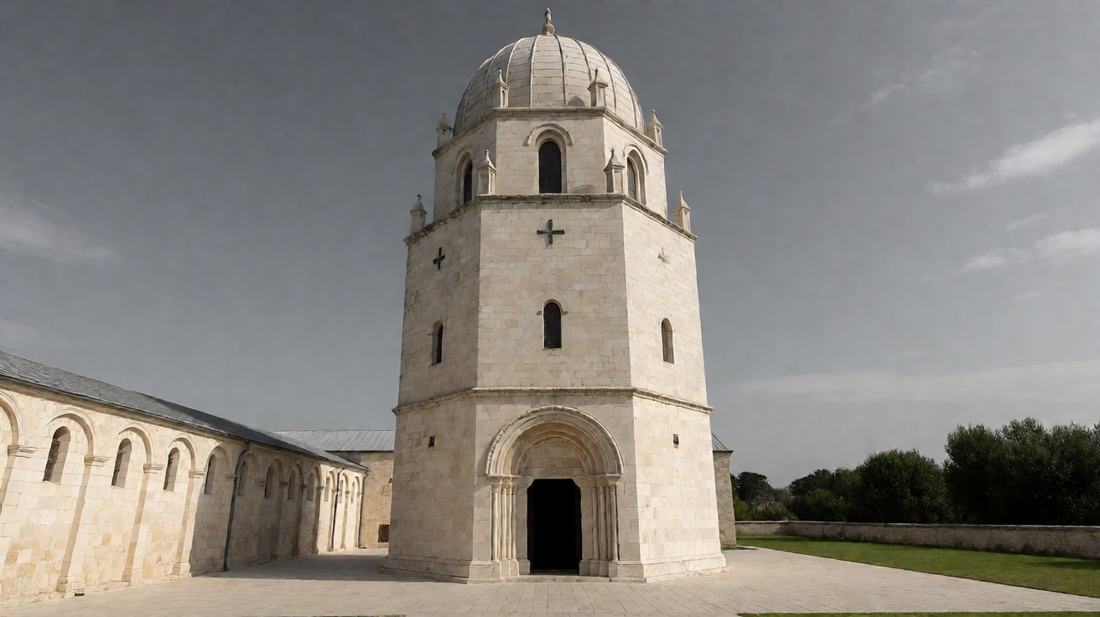
Charlemagne | The Father of Europe
Historical Profile · Francia and the west
Charlemagne | The Father of Europe
A king who could barely write, who gathered scholars, overhauled the script of western Europe and had a crown set on his head on Christmas day.
AD 742-814
Born
King
Crowned
Ruled
Split
The big picture
Introduction
Charlemagne was king of the Franks. From the year 800 he was also emperor of the Romans in the west. He ruled a realm that took in France, Germany and much of Italy.
He was born in about 742 and he died in 814. In that time he fought a war almost every year. He could not read or write with any ease.
Yet he gathered scholars at his court. He set off a revival of learning that shaped European schools. Later ages called him the father of Europe.
Setting
Historical Context
The Frankish kingdom had been built by an earlier line of kings. By the 700s real power had passed to another family. They held the office of mayor of the palace. Charlemagne’s grandfather turned back an Arab army at Tours in 732. His father took the throne in 751.
He took it with the blessing of the pope. That alliance with the church was the making of the family. The pope needed a protector who could march into Italy. The Franks needed a source of authority. Charlemagne’s father campaigned in Italy on the pope’s behalf.
He left his sons the strongest power in the west. The world around them was closing in. To the south lay Muslim Spain. To the north east lay the lands that would produce the Viking Age. A realm with no natural borders had to be held by a fast army.
Turning points
Key Events
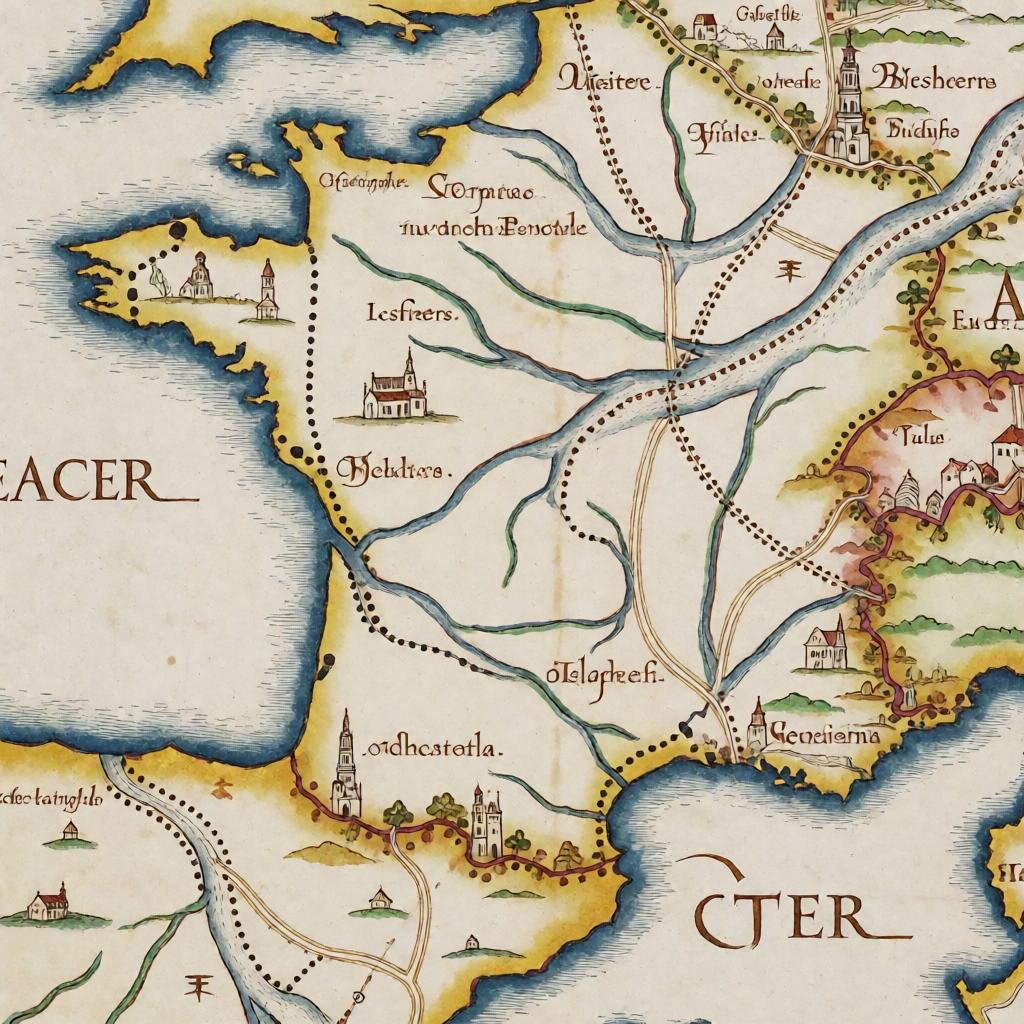
Charlemagne became king in 768. After his brother died in 771 he ruled alone. In 774 he took the kingdom of the Lombards. He took the title of their king for himself. The longest war of his reign was against the Saxons. It ran, on and off, from 772 to 804.
It was fought as a war of conversion as much as of conquest. In 782 a revolt was put down with great cruelty. In 778 he led an army into Spain and failed. On the way home his rearguard was cut down in a mountain pass. That defeat became the starting point of a famous story. In 800 he was in Rome.
On Christmas day the pope placed a crown on his head. He was proclaimed emperor. It changed the politics of Europe for 1000 years. He died at Aachen in 814, after 46 years of rule. His son Louis held the empire together for a time. In 843 the grandsons divided it into three parts.
1
2
3
Who held power
People and Powers
Charlemagne ruled through people rather than through an office. He sent out pairs of inspectors. One was a churchman and one was a layman. They toured the provinces and heard complaints. He held an assembly each year.
The great men of the realm gave their advice. He issued written orders for the running of the estates. His court was a household that travelled. He moved around his lands for most of the year. He settled at Aachen late in life.
His wife and daughters ran the household. The men he gathered did the real work. An English scholar, Alcuin of York, was the leading figure. He wrote the textbooks and ran the school. Other scholars came from Italy, Spain and Ireland.
Everyday world
Daily Life and Society
Most people were farmers who worked the land of a lord. They paid a share of what they grew. A large estate was a small world. It had fields, mills, workshops and a hall. Written orders recorded what each estate owed.
Society was held together by ties of service. A free man could put himself under the protection of a lord. In return he served him. That arrangement was the ground of the feudal order. The great men held land from the king.
They raised soldiers from their own lands. The church stood beside the state. The empire was divided into bishoprics and monasteries. Monks copied books by hand. Almost all classical Latin literature survives through their work.
Craft and ideas
Trade, Technology and Ideas
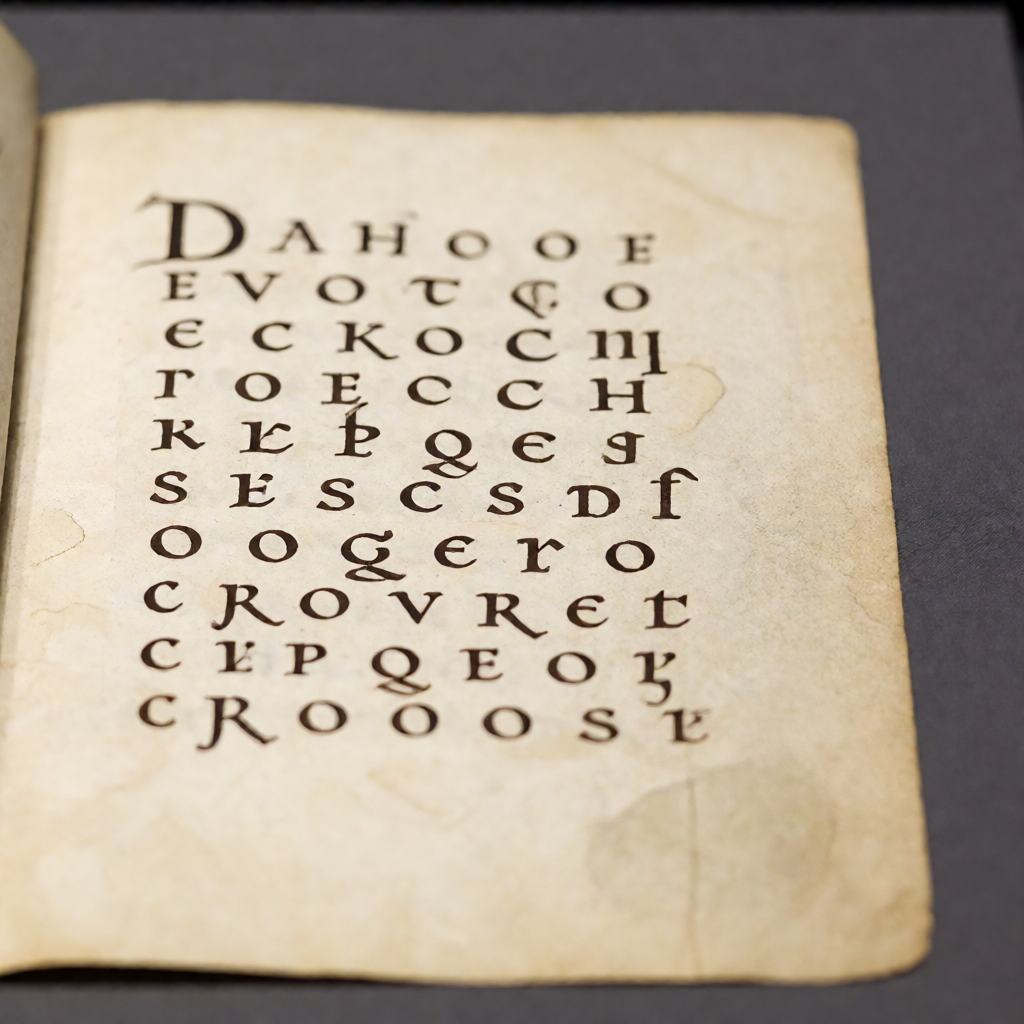
The most lasting reform was writing. The scribes of the Frankish lands used a hard script. It varied from place to place. Alcuin and his circle introduced a clear, round letterform. They put spaces between the words. They used capital letters at the start of sentences. That script swept through the monasteries of Europe.
The letters we use now come down from it. The second reform was education. Charlemagne ordered that schools be set up. Boys were to be taught to read, to write and to count. The order was not fully carried out. But it set a pattern. The palace school taught the children of the court.
Building mattered too. He put up a palace at Aachen with a great stone chapel. He brought columns for it from Italy. Old Roman sites had long been treated as quarries. Blocks were taken from whatever stood nearest. In Italy, builders stripped monuments such as the Colosseum. That habit reached across the Alps.
What lasted
Legacy
The empire did not survive as a state. The idea of it did. The title of emperor in the west was revived in 962. The empire that grew from it lasted until 1806.
Charlemagne was made a saint in 1165. He became the model of a Christian ruler. His deeper legacy is the alphabet and the school. His script is the ancestor of the letters used across Europe.
The empire he built lasted 14 years after his death. The letters and the learning lasted much longer.
Quick hits
Five Things to Remember
- Charlemagne was born about 742 and died in 814.
- He became king of the Franks in 768 and ruled alone from 771.
- The pope crowned him emperor in Rome on Christmas day in the year 800.
- His scholars devised a clear new script, the ancestor of modern European letters.
- His empire was divided into three parts in 843.