 By st20113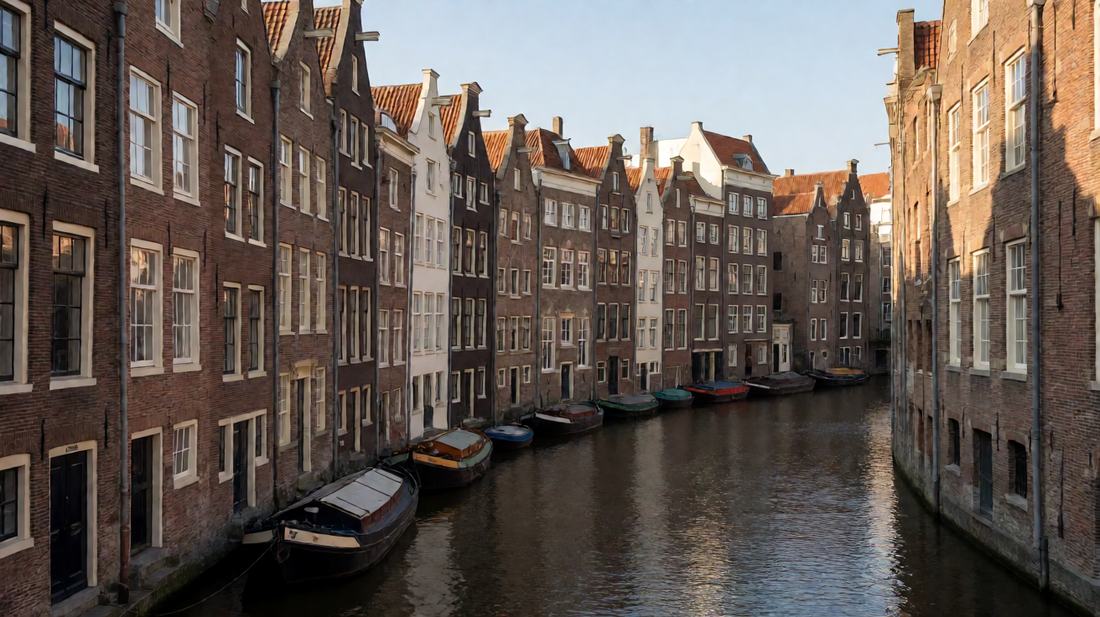
Amsterdam and the Dutch Golden Age | A City of Trade
Historical Profile · Holland, the Low Countries
Amsterdam and the Dutch Golden Age | A City of Trade
A small trading republic that invented the modern company, ran the carrying trade of Europe and dug a ring of canals that still shapes the city.
AD 1585-1700
Free republic
Asian trade firm
Bank opened
Canal ring
Listed
The big picture
Introduction
In the 1600s Amsterdam was one of the richest towns on earth. It led the United Provinces. That was a small state on the North Sea coast. It had broken away from Spain.
It lived by carrying goods. Its traders ran the Baltic trade and the sea trade. They also ran the trade of Asia. Its banks held the money that went with it.
The town was also a centre of print and maps. Its canal ring still shapes the modern town.
Setting
Historical Context
The rise of Amsterdam began with a war. In 1568 the northern lands rose against their Spanish ruler. After eighty years of war they became a free state in 1648. The fight drove trade and money north. The Spanish retook Antwerp in 1585. Much of its trading class moved to the towns of the north.
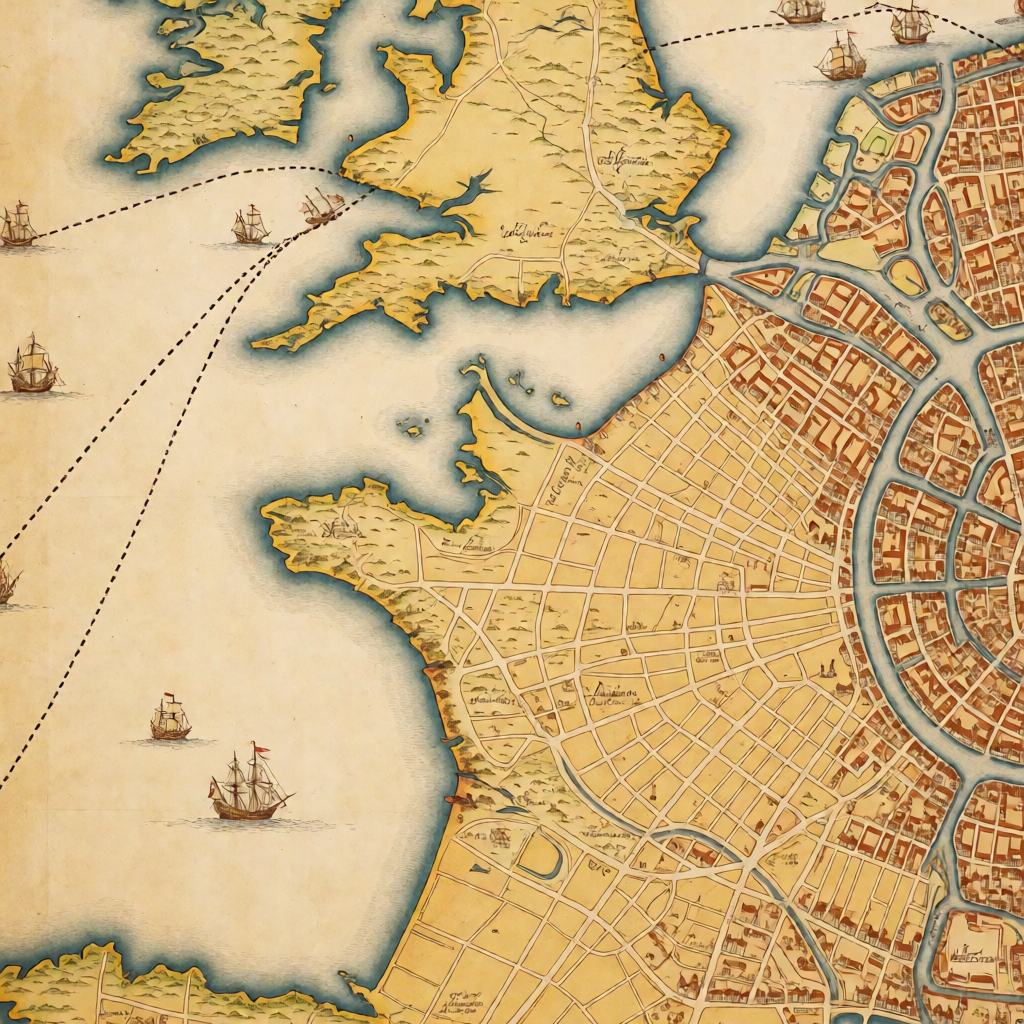
Amsterdam took the biggest share. Its first great trade was carrying goods for northern Europe. Dutch ships bought grain and timber in the Baltic. They sold them in the ports of the west and south. They came back with salt, cloth and wine. The other half of the story lay across the sea.
After 1492 the Atlantic had become the heart of a new world trade. The Dutch came late to it. They ran it better than anyone. The wealth of the Atlantic world was set in motion by the Columbian Exchange. In part it flowed through the port of Amsterdam.
Turning points
Key Events
The turning point came in 1602. The older trading ventures of the land were merged into a single firm. It had a grip on the trade with Asia. It was given the right to make war and treaties in the east. It was paid for by shares that anyone could buy and sell. This was new. A trader who wanted a part of the Asian trade did not have to fit out a ship. He could buy a share and wait for the pay-out. In 1609 the town set up its own bank.
Traders could lodge coin and move it by written order. In 1611 a new exchange opened. Dealers met there to trade goods, shares and bills at set hours. With the shares and the bank accounts came cover for risk and a market in cargoes. The town grew out to match. From 1613 the council began to dig the ring of canals. The work went on in stages until 1662. Land was bought, sold and built on under strict rules. The good years did not last.
From 1652 the state fought three wars with England over trade. In 1672 it was attacked at once by England, France and two German states. The Dutch held, but the cost was heavy. In 1688 the head of state took the English throne. The centre of finance slowly began to shift to London. By the early 1700s Amsterdam was still a great town. It was no longer the first one.
1
2
3
Who held power
People and Powers
The United Provinces had no king. Each land ran its own affairs, and the towns ran theirs. Amsterdam was run by a small group of leading families. They held office for life in practice. They were called the regents.
They were traders, bankers and lawyers rather than lords. The town’s interest was trade. Its policy followed that interest. The council paid for the fleet that guarded the sea lanes. It kept the harbour and the canals in order.
It ran a system of poor relief that was rare for the time. Faith was a matter for the province. It was handled with care. Catholics, Lutherans and Jews were free to worship in private. A trading town could not afford to turn away trade over belief.
Everyday world
Daily Life and Society
Amsterdam was built for the water. The canal ring is a set of half circles round the old centre. Radial streets cross them. The land between was cut into plots for stores and homes. The homes are tall and narrow. The tax was charged on the width of the front. Many lean forward at the top.
Goods can be hoisted in through the windows without hitting the wall. The town was crowded and busy. Ships unloaded at the harbour. Goods moved by barge along the canals to the stores. Markets sold food. The guilds ran the trades. The print houses turned out books, news sheets and maps for a market that reached across Europe.
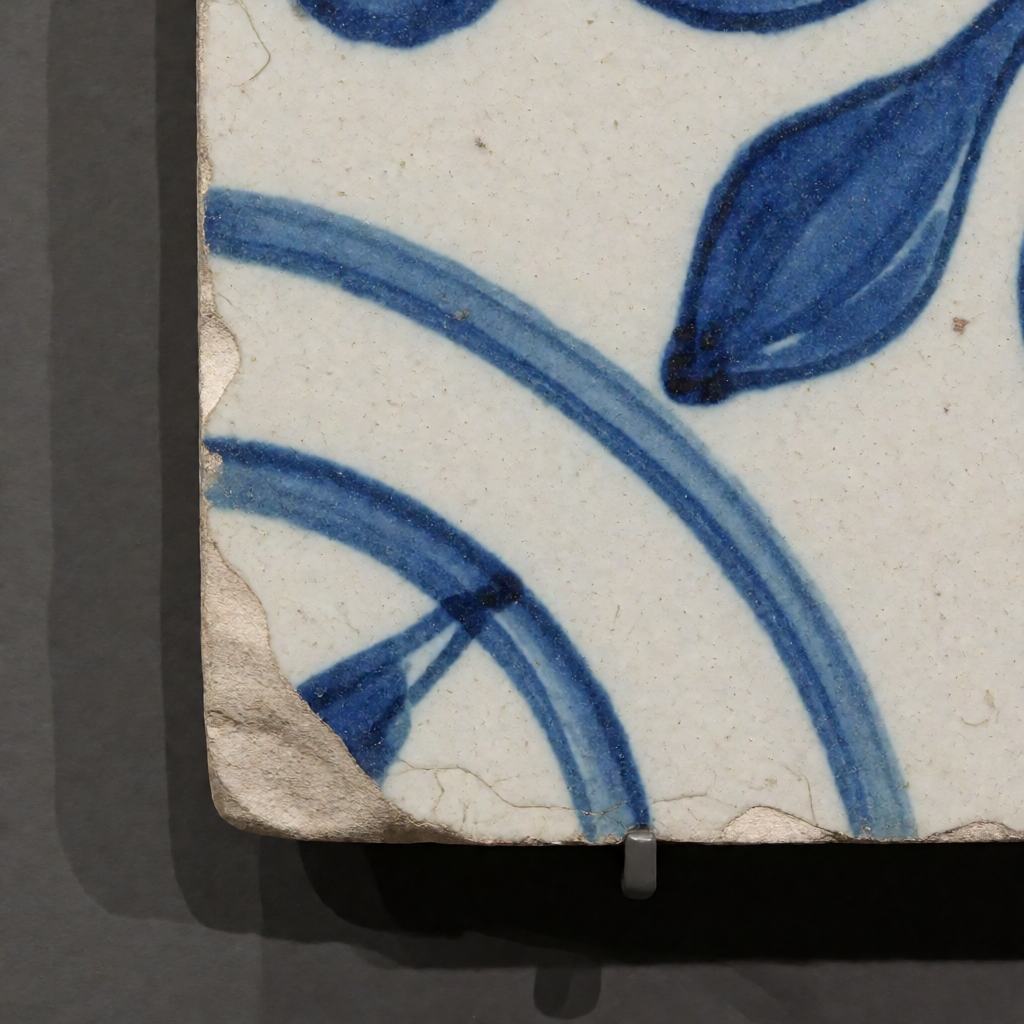
The rich lived along the canals. Their homes were filled with furniture, china and paintings. The painting trade was a trade in its own right. Plain folk bought small pictures for their walls. The number made was huge.
Craft and ideas
Trade, Technology and Ideas
The Dutch did not invent the trades they led. They ran them better than their rivals. Their trader ship was plain and cheap. It had a wide hull and a small crew. It carried more goods for less money than anything else afloat. Their traders carried the same order into finance.
Risk cover, bills of exchange and tradable shares all grew into settled markets in the town. The eastern firm was the largest single venture of the age. Its ships went round the Cape to the ports of the Indian Ocean. It set up a base at what is now Jakarta. Its traders also dealt with the ports of the Ottoman Empire. The town was also a seat of learning.
Its mapmakers and tool makers supplied the ships. Its printers supplied the market for books in a dozen tongues. Scholars came from all over Europe. The university at Leiden nearby became a place where unwelcome ideas could be argued out.
What lasted
Legacy
The canal ring of Amsterdam was listed as a world heritage site in 2010. It is still lived in and still working. The stores have become offices and flats.
The homes along the water are among the most sought after in Europe. The deeper legacy is a model. The Dutch of the 1600s showed that a small state with no resources of its own could grow rich.
It could carry other people’s goods and fund other people’s voyages. The firm with tradable shares, the public bank and the market for risk cover were all worked out in this town. The way modern trade is run still follows their shape.
Quick hits
Five Things to Remember
- Amsterdam led the Dutch state in the 1600s.
- In 1602 its Asian trade was merged into one firm paid for by tradable shares.
- The Bank of Amsterdam opened in 1609 and the first exchange in 1611.
- The canal ring was dug in stages between 1613 and 1662.
- The town slipped as a money centre after 1672, and its canal ring became a world heritage site in 2010.