 By Iris
The Kingdom of Hungary | The Frontier of Latin Europe
Historical Profile · Central Europe
The Kingdom of Hungary | The Frontier of Latin Europe
A kingdom on the Danube turned a ring of mountains into a frontier, survived a Mongol raid and a century of civil war, and then lost everything in a single afternoon at Mohacs.
AD 1000-1526
Founded
Reach
Shock
Money
End
The big picture
Introduction
Hungary began as a raiding camp and ended as a frontier state. Crown and cross arrived together in 1000, and both came from Rome. Land around the Danube became the eastern edge of Latin Europe. Kings here built stone castles and invited settlers in. They also argued with the papacy over appointments.
Twice the country was broken. Mongol armies came first, and an Ottoman sultan came later. That second break proved permanent. What survived was a noble charter, a language unlike any neighbour’s, and a line of border forts. Those forts still mark the map.
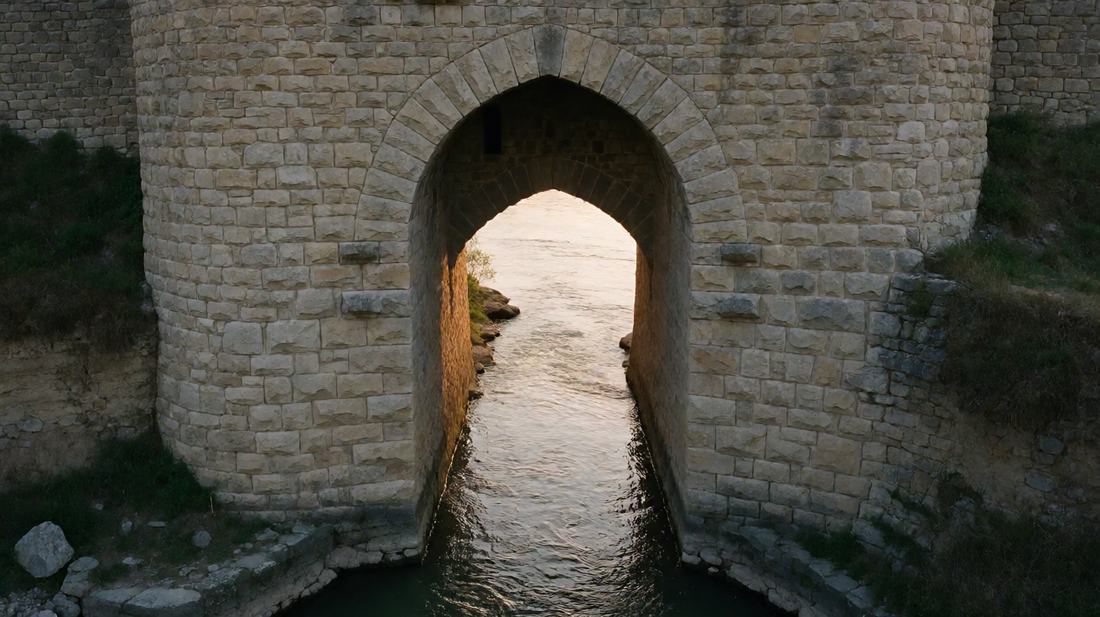
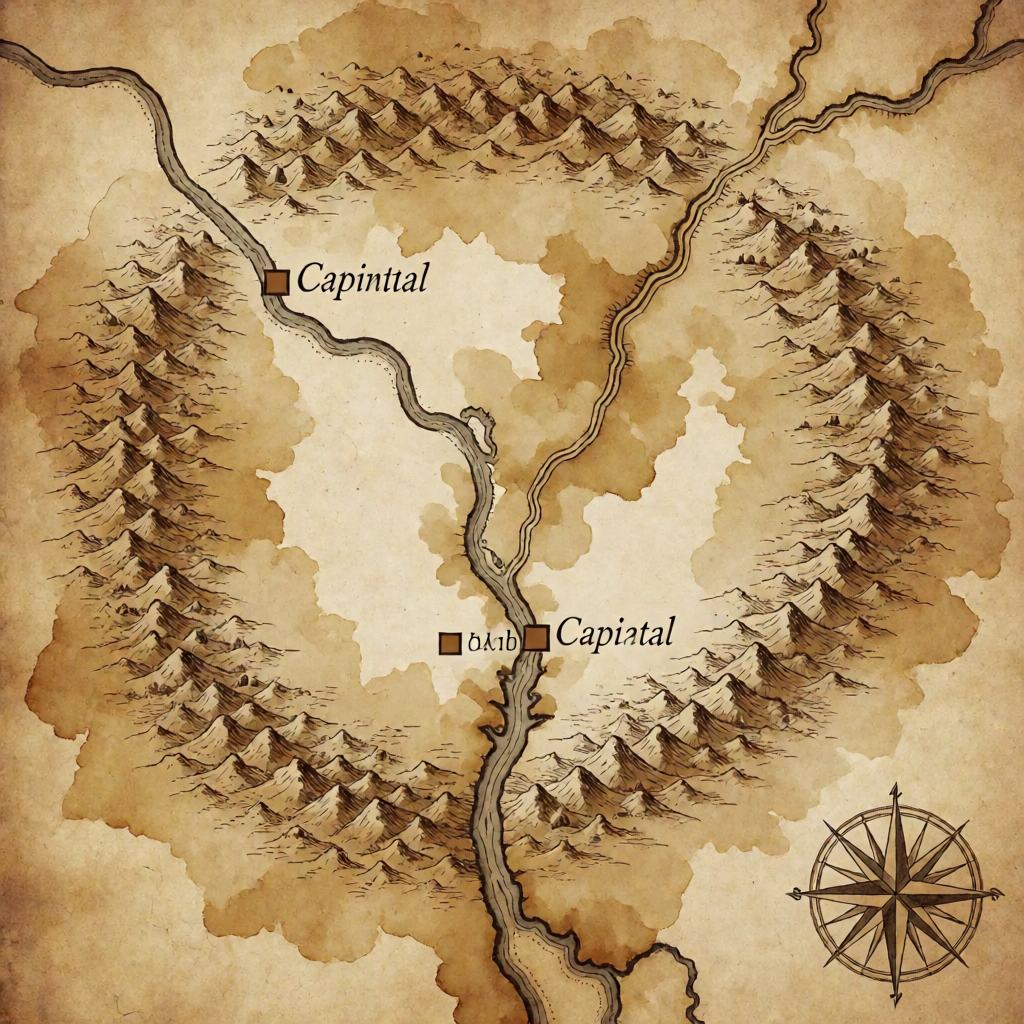
Geography made the rest: a plain invites riders, and riders invite neighbours. A state on open ground has no natural wall, so it builds one of stone and men. Kings ruled a plain, and a plain can be crossed in a week.
Setting
Historical Context
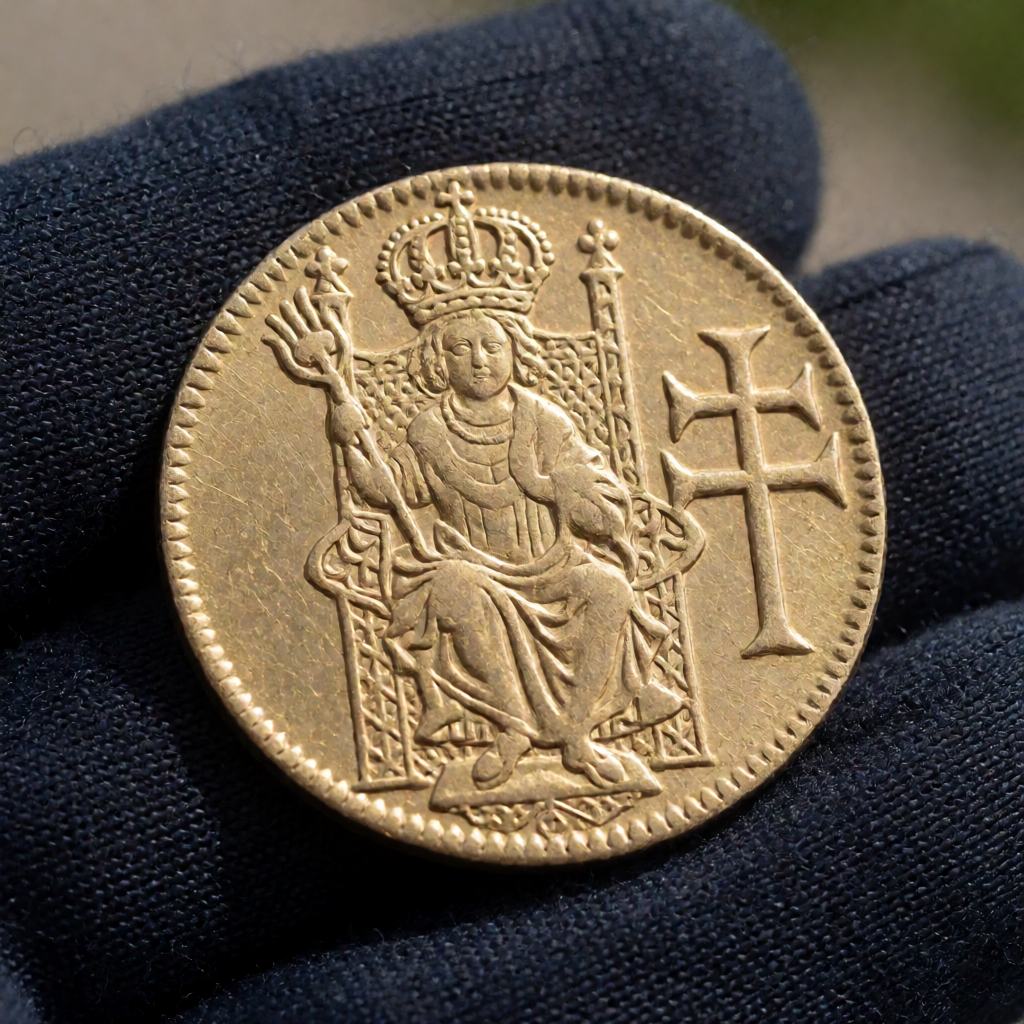
Riders from the east arrived in the plain around 895. For decades they raided west, until a defeat at Lechfeld in 955 forced a change. Stephen married a Bavarian princess and took baptism. His coronation around 1000 tied the country to the Latin church. Dioceses and a coin followed, and both carried his name.
One century later the realm ran from the Carpathians to the Adriatic. Slavic north and Latin west sat inside the same border. Charlemagne had broken the Avar power two centuries before. The land he left empty was filled by farmers, monks and German townsmen. Lawyers treated the crown itself as a legal person.
They argued about who could hold it. Such argument gave the nobles a weapon, since a crown can be claimed by several hands. Elections were common, and each one cost the king a right. Crowns held on loan are held weakly, and every diet knew that much. The country was rich in land and poor in cash, and that single fact decided its politics for five hundred years.
Turning points
Key Events
Three shocks shaped the state. Mongol armies came in 1241, and a royal host was destroyed at Mohi. Its king fled to the coast. Perhaps a fifth of the people died, and the plain stood empty for a season. Rebuilding took a lifetime, and kings invited settlers to fill the gaps. Cumans and Germans took empty land, and their towns paid in coin rather than grain, which gave the crown a cash income it had never had.
Dynasty was the second shock. That house failed in 1301, and the crown passed to the Angevins. They ruled from Naples and brought Italian clerks and gold. Louis the Great took the throne in 1342 and pushed south to the Adriatic. Ottoman power was the third. After 1456 the border became a chain of forts.
John Hunyadi broke a siege at Belgrade that year, and his name became a legend on both sides of the border. His son Matthias built a standing army, but it was expensive to keep. Mohacs in 1526 ended the argument. The king drowned in a marsh, and the realm split into three parts. States that borrow their kings from abroad are divided by their quarrels, and so this one was within a lifetime.
1
2
3
Who held power
People and Powers
Power sat in a few hundred families. Magnates held huge estates, and they could raise private armies. The Golden Bull of 1222 gave the nobles a right to resist. They never forgot it. Royal officials ran the counties below them, though the counties chose their own officers.
Towns were few, though Buda grew rich on tolls. Matthias tried another route: a force paid from the crown. His Black Army was costly, and it died with him. Church lands covered perhaps a tenth of the country. Peasants had duties, but they also had courts.
Diets met often, and they voted taxes. That vote, rather than the royal word, was where power lay. Fortified manor houses copied western models, much as the Norman Conquest spread one castle plan across England, and both were built for the same reason. Magnates with castles could ignore a royal order for months, and often did. County assemblies could refuse a tax, and a refusal could stop a war.
Everyday world
Daily Life and Society
Villages of timber and mud held most of the people. Grain and grapes grew well, and meat was salted for the winter. Households paid in grain, in labour and in carting. Open plain made stock raising pay better than ploughing in some districts. Towns had markets, guilds and a wall.
Buda held a royal palace and a German merchant quarter. Reading was rare outside the church, since books were copied by hand. Songs and dances carried the common record, since few could write. Weddings could last three days, while a harvest feast ran for one. Funeral feasts cost more than a year of dues.
Law was local and slow, yet it was also personal. Headmen settled most cases, since any court sat far away. Winter meant repair: carts, roofs, ditches and the mill wheel. Bread, bacon and beer fed a household, and a pot of stewed grain did the rest. Forty households could raise a church, a mill and a bridge in a single age.
Craft and ideas
Trade, Technology and Ideas
Hungary sat on the road between Vienna and Constantinople. Whatever crossed the river was taxed, but the rate was never fixed. Copper, salt and silver came out of the northern hills. Mines at Kremnica struck good coin for centuries, and thus the crown had silver to spend. Salt moved down the rivers by cart, and thus a royal monopoly became revenue. Building came late, but it came strongly.
Gothic churches rose in the towns after 1300. Italian masons rebuilt the palace at Buda. Printing reached Buda in 1473, and thus the city had a press before Vienna. Matthias collected books and founded a library that scholars travelled to see. Ideas moved with students as well. Young men studied in Vienna, Krakow and Bologna.
They brought home law, medicine and a taste for argument. A university opened at Pecs in 1367, though it closed within a generation, and that failure shows how thin the base of learning was. Goods went north by cart and south by river, and toll stations sat at every crossing. Paper came late, and a charter stayed a rare thing outside a court.
What lasted
Legacy
Mohacs did not end Hungary, though it ended the old kingdom. North and west kept a Habsburg king. Its centre became an Ottoman province. Transylvania paid tribute to the sultan, but it ran its own affairs under a prince of its own choosing. That split lasted 150 years, and it fixed the shape of the region.
Noble charters outlived the state. County assemblies and the diet stayed alive. They shaped the kingdom that returned in 1867. Language is another legacy. Magyar belongs to no neighbouring family, and it became a badge of identity.
Border forts are the third. Their ruins still trace a line across the plain, from the Adriatic to the Carpathians. Countries that keep their courts, their diets and their tongues can lose a state and still survive as a nation. Historians teach Hungarian history as a story of law as much as of battles. Those who lost the argument in 1526 kept arguing for three more centuries.
Side by side
How It Compares
| Point | Early kingdom | Late kingdom |
|---|---|---|
| Dates | AD 1000-1241 | AD 1300-1526 |
| Seat | Esztergom, then Buda | Buda alone |
| Frontier | The Carpathian passes | A line of forts on the Danube |
| Army | Noble levy and household troops | Mercenary bands and border forts |
| Money | Silver mines and tolls | Gold coin and royal monopoly |
| End | Mongol raid of 1241 | Defeat at Mohacs, 1526 |
Common misreadings
What People Get Wrong
- Stephen is usually drawn as a nation builder. He inherited a federation of clans and spent most of his reign breaking it into counties.
- The Mongol raid is often called a conquest. The army left within a year, and the real damage came from the lost harvest and the empty villages.
- Mohacs is often treated as the end of Hungary. The kingdom survived in three pieces, and two of those pieces lasted for centuries.
Going further
Sources and Further Reading
- Wikipedia, Kingdom of Hungary
- Encyclopaedia Britannica, Hungary. Encyclopaedia Britannica, Inc.
- Engel, P. 2001. The Realm of St Stephen. I.B. Tauris.
- Kontler, L. 2002. A History of Hungary. Palgrave.
Quick hits
Five Things to Remember
- Stephen I took the crown around 1000 and tied Hungary to Rome.
- Mongol armies destroyed the royal host at Mohi in 1241.
- A charter of 1222 let the nobles resist a king who broke the law.
- Matthias Corvinus kept a paid army and a famous library.
- Mohacs in 1526 split the kingdom into three parts.