 By st20113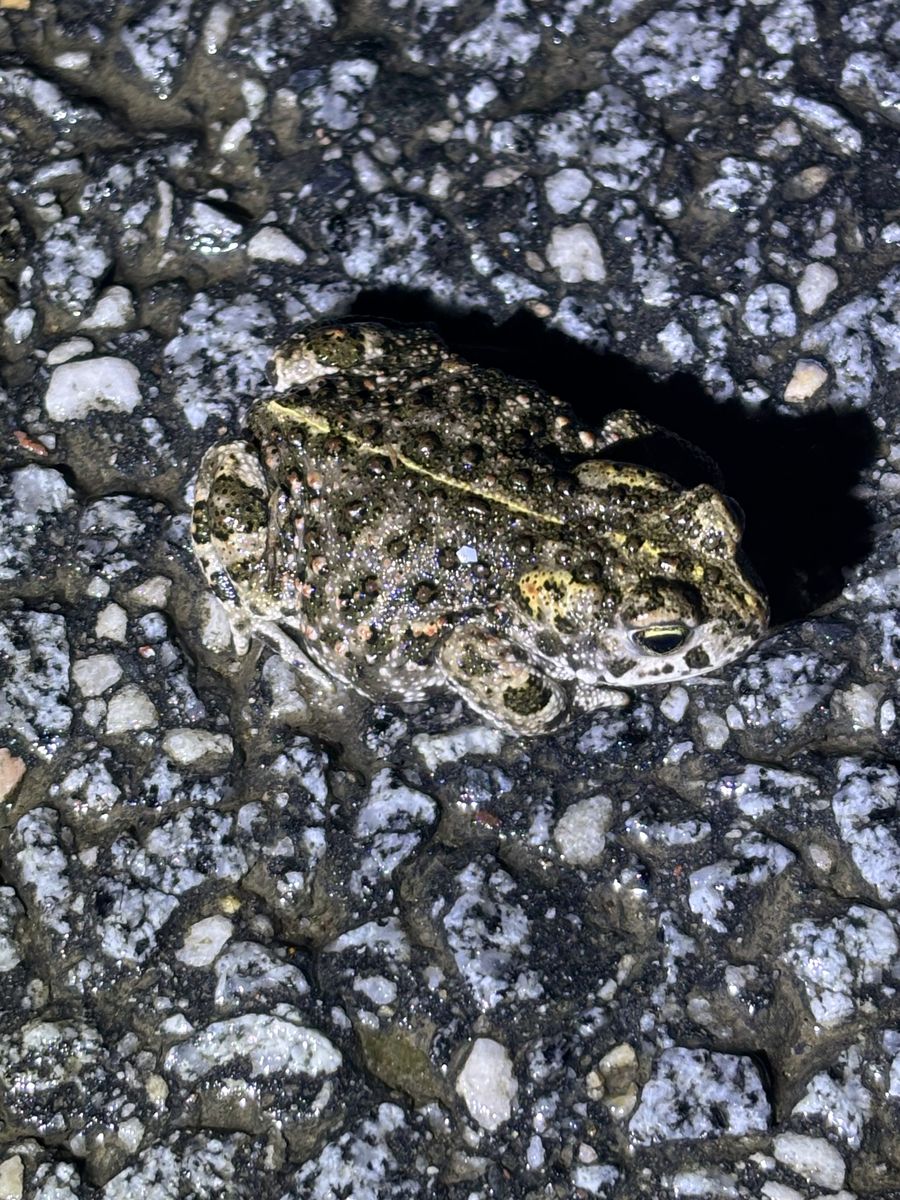
Introduction
The Natterjack Toad (Epidalea calamita) is a small, running toad of Europe’s coastlines and heathlands, famous for its loud, rasping chorus on warm spring nights. Unlike most toads that hop, the natterjack moves with rapid, scuttling runs across open sand. It depends on shallow, sun-warmed pools that dry quickly, a precarious lifestyle that makes it one of the continent’s most threatened amphibians and a focus of intensive conservation effort. Its reliance on fleeting puddles makes it a living indicator of healthy, dynamic wetland systems that few other species can exploit.
Taxonomy
Formerly placed in the large genus Bufo, the natterjack is now assigned to Epidalea, a monotypic genus described by Laurenti in 1768. Its closest cousins are the true toads of the Bufonidae family. Molecular studies support its separate status, and its distinctive ecology sets it apart from the Common Toad that shares parts of its range but breeds in deeper, more permanent water.
Physical Characteristics
Natterjacks are relatively small, 6 to 8 centimeters long, with warty, olive-green to brown skin. The most obvious mark is a bright yellow or cream stripe running down the middle of the back, unique among European toads. The eyes are greenish with horizontal pupils, and the hind legs are short, which explains the running gait rather than hopping. Males develop a dark, swollen throat during the breeding season to attract mates and amplify their call.
Habitat
This toad is a creature of open, sandy country: coastal dunes, salt flats, heathland, and occasionally inland gravel pits and quarries. It needs shallow, temporary ponds that warm fast and lack fish, because fish eat tadpoles. The natterjack often shares these ephemeral waters with the Smooth Newt, though the two follow different breeding rhythms and the newt often remains active later into the season.
Diet
Adults are nocturnal hunters that emerge after dark to feed on insects, spiders, and other small invertebrates. They are sit-and-wait predators, lunging at passing prey with a sticky tongue. Because they live in insect-rich habitat, a single toad can consume hundreds of pests in a season. Tadpoles graze on algae and organic matter in the warm pools where they develop, and they must grow quickly before the water disappears in summer heat. Because they gather in choruses, a single pond can support hundreds of feeding toads on a warm night, each removing countless pest insects from the air.
Reproduction
Breeding is explosive and urgently timed to brief windows when temporary pools hold water. Males gather and call in chorus, the sound carrying far across the heath. Females lay long strings of eggs wrapped around vegetation. Tadpoles must metamorphose before the pool dries, sometimes in as little as six weeks, a race against the vanishing water that determines how many young survive each year.
Conservation
The Natterjack Toad is considered Near Threatened or regionally endangered across much of its range. Coastal development, draining of heathland, and the loss of suitable pools are the main threats. Intensive conservation includes digging new ponds, managing grazing, and even captive breeding followed by release. Legal protection makes disturbing its habitats an offense in many countries, and volunteers monitor breeding sites each spring. A single adult may eat dozens of ants and beetles in one night, making it a natural ally of farmers and gardeners who value its quiet pest control.
Fun Facts
1. The natterjack runs rather than hops, a rare trait among toads. 2. Its chorus can be heard more than a kilometer away on still nights. 3. The yellow back stripe is a reliable identification mark. 4. Tadpoles develop faster than those of almost any European amphibian. 5. It tolerates higher soil salinity than most frogs and toads, allowing it to live right at the edge of the sea. 6. Males can call for hours each night during the breeding peak, sometimes exhausting themselves in the effort to attract a mate.