 By st20113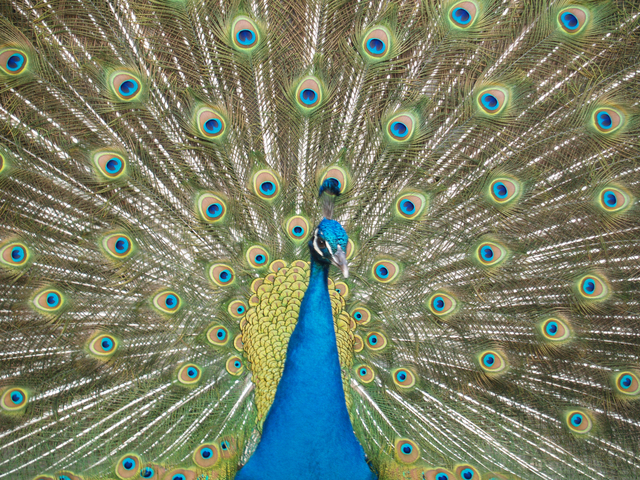
Introduction
The Indian peafowl (Pavo cristatus), also called the common peafowl, is one of the most recognizable birds in the world thanks to the male’s spectacular train of iridescent feathers. Native to the Indian subcontinent, it has been introduced to many regions as an ornamental bird. The male is known as a peacock and the female as a peahen, while the young are called peachicks. As a member of the pheasant family, it shares ancestry with a wide array of ground-dwelling birds, including the far larger common ostrich.
Taxonomy
The Indian peafowl belongs to the genus Pavo within the family Phasianidae, order Galliformes. It is one of two peafowl species, the other being the green peafowl of Southeast Asia. Within Pavo cristatus a single species is recognized, though regional variation in plumage exists. The bird has been domesticated for thousands of years and features prominently in art, religion, and folklore across South Asia. Genetic evidence places peafowl among the galliform birds closest to turkeys and pheasants rather than to the songbirds or raptors.
Physical Characteristics
The male Indian peafowl is among the most ornate birds alive. Its body is blue, and it carries a train of up to 200 feathers, each tipped with a shimmering eyespot. The train is not the true tail but elongated upper tail coverts that can reach 1.5 meters. Females are smaller and duller, with brownish plumage and a green neck. Both sexes have a crest of bare feathers topped with a fan, and strong legs armed with spurs used in defense. In flight, like the bald eagle, they rely on broad wings, though peafowl prefer short, gliding escapes into trees.
Habitat
Indian peafowl inhabit open forests, farmland edges, and cultivated landscapes across the Indian subcontinent. They favor areas with scattered trees for roosting and open ground for foraging. They are highly adaptable and thrive near villages where they are often protected for cultural reasons. They roost communally in tall trees at night, descending at dawn to feed. Seasonal monsoons expand the grass and insect prey that sustain them through the breeding months.
Diet
Peafowl are omnivorous ground foragers. They eat seeds, grains, shoots, berries, and a wide variety of insects such as ants, beetles, and termites. They also take small reptiles, frogs, and even mice when opportunity arises. Foraging is done by scratching and pecking at the soil, often in small groups outside the breeding season. Like other intelligent birds such as the blue jay, they are alert and quick to vocalize a warning when a predator approaches the flock.
Reproduction
Breeding coincides with the rainy season. Males display by erecting and vibrating their train into a shimmering fan, a performance meant to attract peahens. After mating, the female lays a clutch of three to six eggs in a shallow scrape on the ground, often concealed by grass or at the base of a bush. She incubates alone for about 28 days. The chicks hatch precocial and can walk and feed within hours, though the mother shelters them from weather and predators. They fledge at roughly one week and remain with her for several months.
Conservation
The Indian peafowl is listed as Least Concern, with a large and stable population across its native range and beyond. It benefits from legal protection in India and from cultural reverence that limits hunting. Habitat conversion and pesticide use can reduce local numbers by lowering insect prey and nesting cover. The species is kept worldwide in parks, zoos, and private estates, which supports a healthy captive population. Conservation attention is more urgent for its endangered relative, the green peafowl, of Southeast Asia.
Fun Facts
The colorful “eyes” on a peacock’s train are not actually eyes but feather structures that catch light to create a shifting, three-dimensional effect. The train is molted each year after the breeding season. Peafowl can fly, despite their bulk, and often roost high in trees to avoid danger. Their loud, piercing call carries for long distances and has earned them a place in folklore as a weather prophet. In the wild, the sulphur-crested cockatoo shares the peafowl’s talent for thriving alongside human settlements.
[…] a natural image of royalty. The most famous throne in the empire was called the Peacock Throne. The Indian peafowl appears again and again in Mughal painting and in the walls of their […]