 By st20113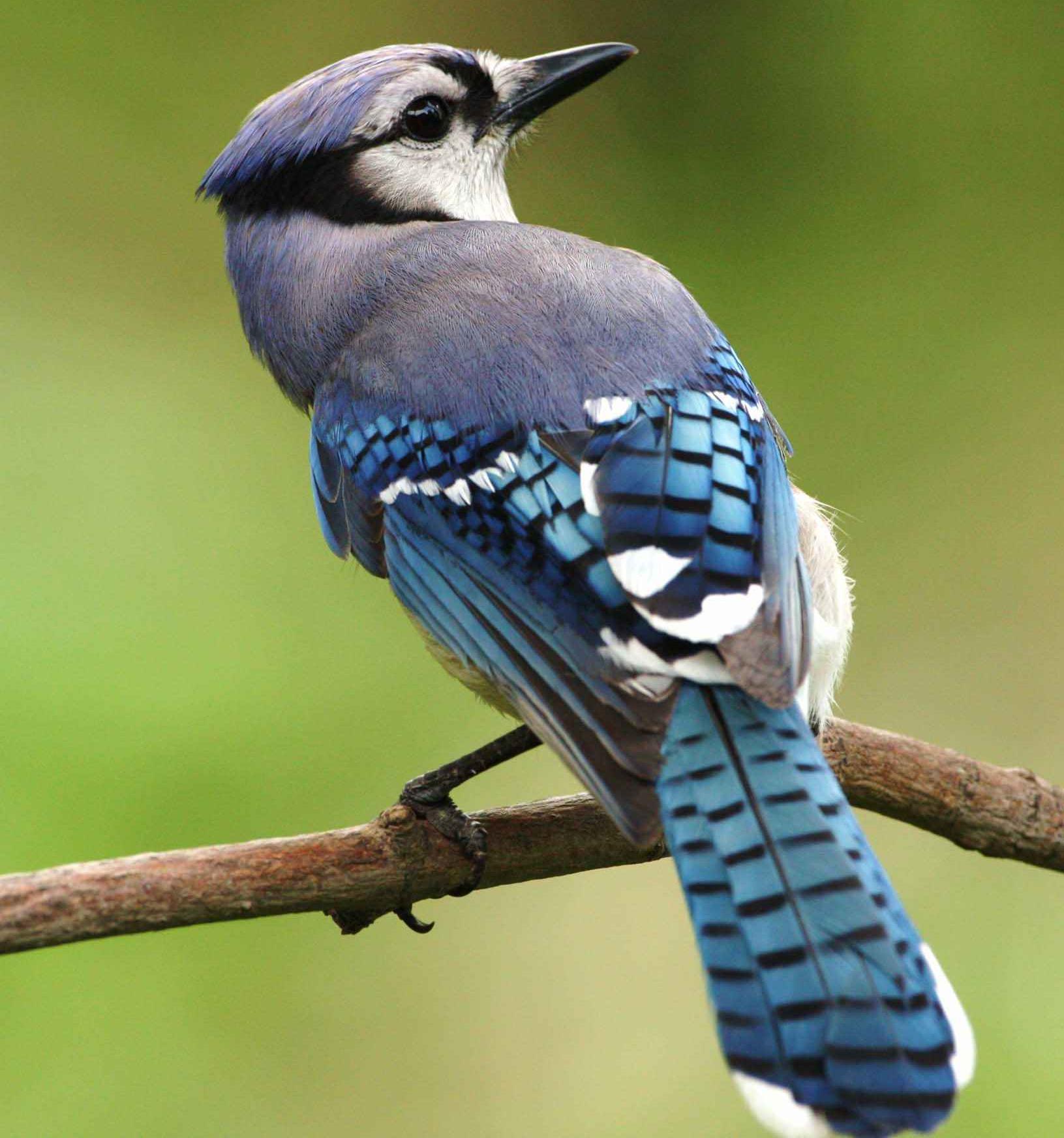
Introduction
The Blue Jay (Cyanocitta cristata) is a striking, intelligent songbird of eastern North American forests, woodlands, and suburbs, known for its vivid blue plumage, white chest, and loud, variable calls. A member of the corvid family, the same group that includes crows and ravens, the Blue Jay is among the most clever and adaptable birds on the continent. Its crest can be raised when excited or lowered when calm, and its facial pattern of black, white, and blue gives it a masked, expressive look.
Though sometimes considered a bully at feeders, the Blue Jay plays important ecological roles, including planting oak trees by caching acorns. It frequently travels and feeds near the Northern Cardinal, another common backyard bird, though the jay is far noisier and more aggressive.
Taxonomy and Classification
Blue Jays belong to the family Corvidae and the genus Cyanocitta, which also includes the Steller’s Jay of western North America. The scientific name Cyanocitta cristata combines Greek and Latin roots meaning blue jay with a crest. Four subspecies are generally recognized across its range, varying in size and the brightness of their coloration.
As corvids, Blue Jays are close relatives of crows, magpies, and nutcrackers, a family renowned for problem-solving ability and complex social behavior. Their intelligence is reflected in tool use, mimicry, and the ability to remember thousands of cached food locations.
Physical Characteristics
Blue Jays measure 25 to 30 centimeters from bill to tail and weigh 70 to 100 grams. Their upperparts are a bright azure blue barred with black, while the face and underparts are white or pale gray. A bold black necklace marks the upper chest, and the wings and tail show white bars and black banding.
The blue color is not from pigment but from light scattering through feather structures, an effect called structural coloration. The stout, black bill is suited to cracking nuts and acorns, and the bird’s strong legs and feet help it cling to branches and manipulate food.
Habitat and Distribution
Blue Jays inhabit deciduous and mixed woodlands, forest edges, parks, and residential areas across eastern and central North America, from southern Canada to Florida and Texas. They prefer oak-dominated woods but readily adapt to suburbs with mature trees.
Some populations are partially migratory, with flocks moving south in fall, though many individuals stay year-round. They are common visitors to feeders and are often seen in family groups during late summer and fall.
Diet and Behavior
Blue Jays are omnivorous, eating acorns, nuts, seeds, fruits, insects, and occasionally the eggs or nestlings of other birds. They are famous for caching acorns, a behavior that makes them important dispersers of oak trees across forests.
Highly social and vocal, Blue Jays use a wide range of calls, including a harsh jay scream, soft murmurs, and convincing mimicry of hawks. They are also known to mob predators such as owls and snakes, gathering in groups to drive threats away from their territory.
Reproduction and Life Cycle
Blue Jays form monogamous pairs that may bond for life. The nest is a bulky cup of twigs, grass, and mud built in a tree or large shrub, usually 3 to 10 meters above ground. The female lays three to six eggs that are bluish or buff with brown spots.
Incubation lasts about 17 to 18 days, shared by both parents, and the young fledge at roughly 17 to 21 days. Fledglings remain with their parents for several weeks, learning to forage and recognize dangers before dispersing in late summer.
Conservation Status
The Blue Jay is classified as Least Concern, with a large and generally stable population across its range. Locally, numbers can fluctuate with forest fragmentation and disease, but the species remains common.
Like many birds, it faces threats from window collisions, cats, and habitat loss, yet its adaptability keeps it widespread. Its role in oak regeneration benefits entire forest ecosystems.
Fun Facts
Blue Jays can mimic the calls of Red-shouldered and Red-tailed Hawks so accurately that other birds often react as if a predator is near. This may help the jay claim food or warn of danger.
The species is also a skilled planner, hiding thousands of acorns each autumn and retrieving them later with remarkable spatial memory. It is frequently spotted near the American Robin, another familiar yard bird, especially on lawns where both forage for worms and insects after rain.
[…] Cardinal | Cardinalis cardinalis Blue Jay | Cyanocitta cristata Great White Pelican | Pelecanus onocrotalus Sea Otter | Enhydra lutris Viola sororia | […]