 By st20113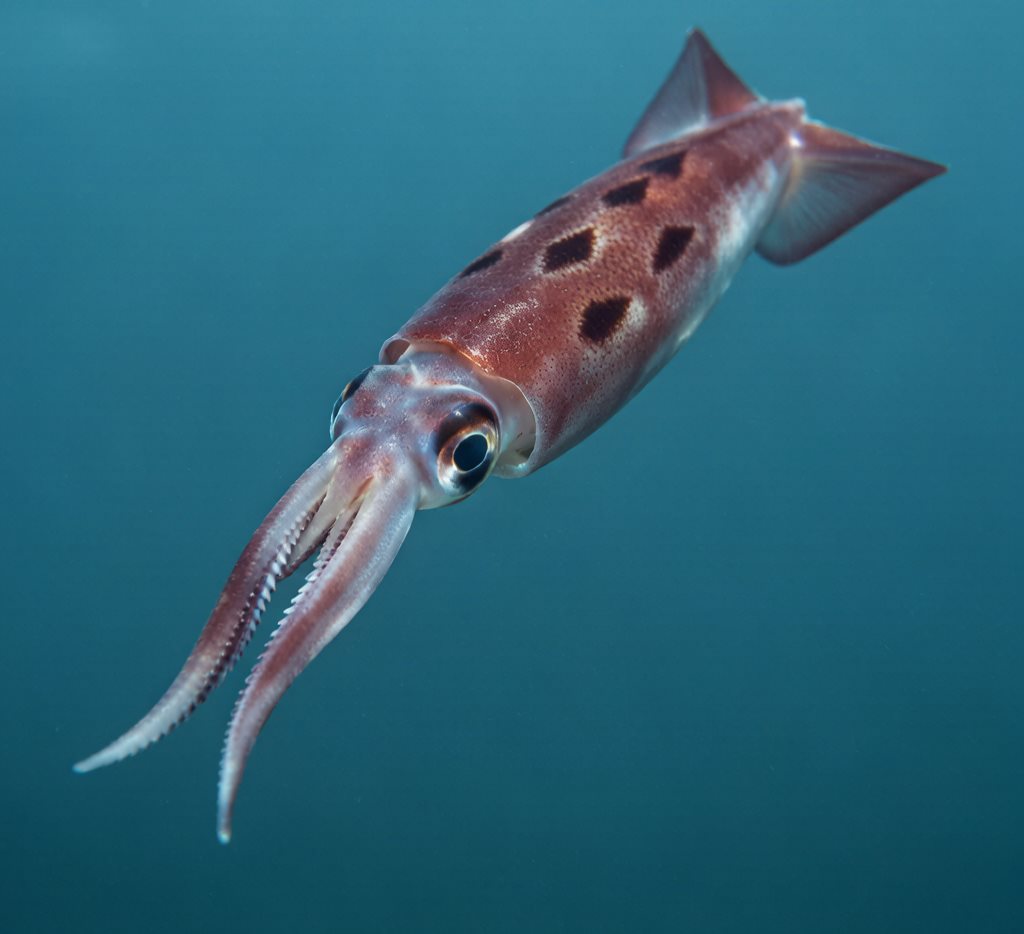
Introduction
The Diamondback Squid (Ommastrephes bartramii), or neon flying squid, is a large, fast cephalopod of temperate and tropical open oceans. Named for diamond markings on its mantle, it is among the most commercially important squids, supporting North Pacific fisheries. With mantle lengths near 50 centimeters and total length over 1 meter, it is a fierce predator and vital food-web link from plankton to fish, birds, and mammals. Mobile and schooling, it shows the success of cephalopods such as the common octopus offshore.
Taxonomy
Described by d’Orbigny in 1835 as Ommastrephes bartramii, it is genus Ommastrephes, family Ommastrephidae (flying squids), order Oegopsida (open-ocean squids) with many fast, valuable species. The name honors naturalist William Bartram. It is set apart by size, red-pink color, and diamond skin patterns. Molecular work backs its close tie to other ommastrephids including the giant squid group, sharing a streamlined pelagic body plan for active ocean life across wide temperate and tropical seas.
Physical Characteristics
Its cylindrical tapering mantle is a sleek torpedo for powerful swimming. Adults reach about 50 centimeters mantle, over 1 meter with arms. Body is reddish-pink to purple with diamond or chevron marks giving the name. Like squids, it jets water from the mantle through a funnel and uses mantle-tip fins to steer. Large low-light eyes and eight arms plus two long tentacles bear suckers for capture. As a cephalopod it shifts color and texture to communicate and hide, like the blue-ringed octopus, and flees by ejecting ink.
Habitat
Diamondback Squid roam epipelagic and mesopelagic open waters of the Atlantic, Pacific, and Indian Oceans. They migrate vertically and horizontally, rising at night to feed and sinking by day to dodge predators and follow prey light cycles. They favor frontal zones, currents, and upwelling that brings nutrients up. Highly oceanic, they rarely near shore, instead forming large mobile schools across vast pelagic seas. Wide range and strong swimming make them key mid-water ecosystem parts from subtropical to temperate latitudes alike.
Diet
They are active carnivores eating small schooling fish such as lanternfish and myctophids, plus crustaceans like shrimp and krill. Two long tentacles strike and grip prey, then eight arms and a beak tear it. Opportunistic, they shift diet to abundant prey, letting populations react fast to ocean change. In turn they feed tuna, sharks, swordfish, seabirds, and mammals. Their central web role means squid swings affect many fish stocks and the broader pelagic system that supports commercial fisheries worldwide.
Reproduction
Like ommastrephids, they are semelparous, breeding once then dying. Males pass sperm packets via a special arm; females attach egg clusters to seafloor or debris by population. Eggs hatch into tiny paralarvae drifting in plankton, growing fast on copepods. Growth is very quick; maturity may come within a year, letting stocks rebound when conditions favor. Spawning peaks in seasonal regional aggregations that fisheries target. Since adults die after, each year’s cohort alone sustains the population, making it sensitive to spawning-season fishing and variability.
Conservation
Globally the IUCN rates it Least Concern or Data Deficient, for wide range and sparse stock data. It supports huge fisheries, especially in the North Pacific, with catches in hundreds of thousands of tonnes yearly. Short-lived and productive, it can take heavy harvest if managed, but spawning-time overfishing and bycatch concern. Climate shifts in temperature and currents move its range and numbers. Good management with catch limits, seasonal closures, and international cooperation across its range is key to keep this resource for ecosystems and people.
Fun Facts
Called flying squid, it can leap from water and glide briefly. It changes color instantly to hide or signal. Soft yet swift, it outmaneuvers many fish. Its eyes are among the largest for body size of any invertebrate. It is key prey of sperm whales and big tuna. It grows astonishingly fast, sometimes adult in a year. Live, its diamond marks shimmer with iridescence, making it one of the ocean’s dazzling inhabitants.