 By st20113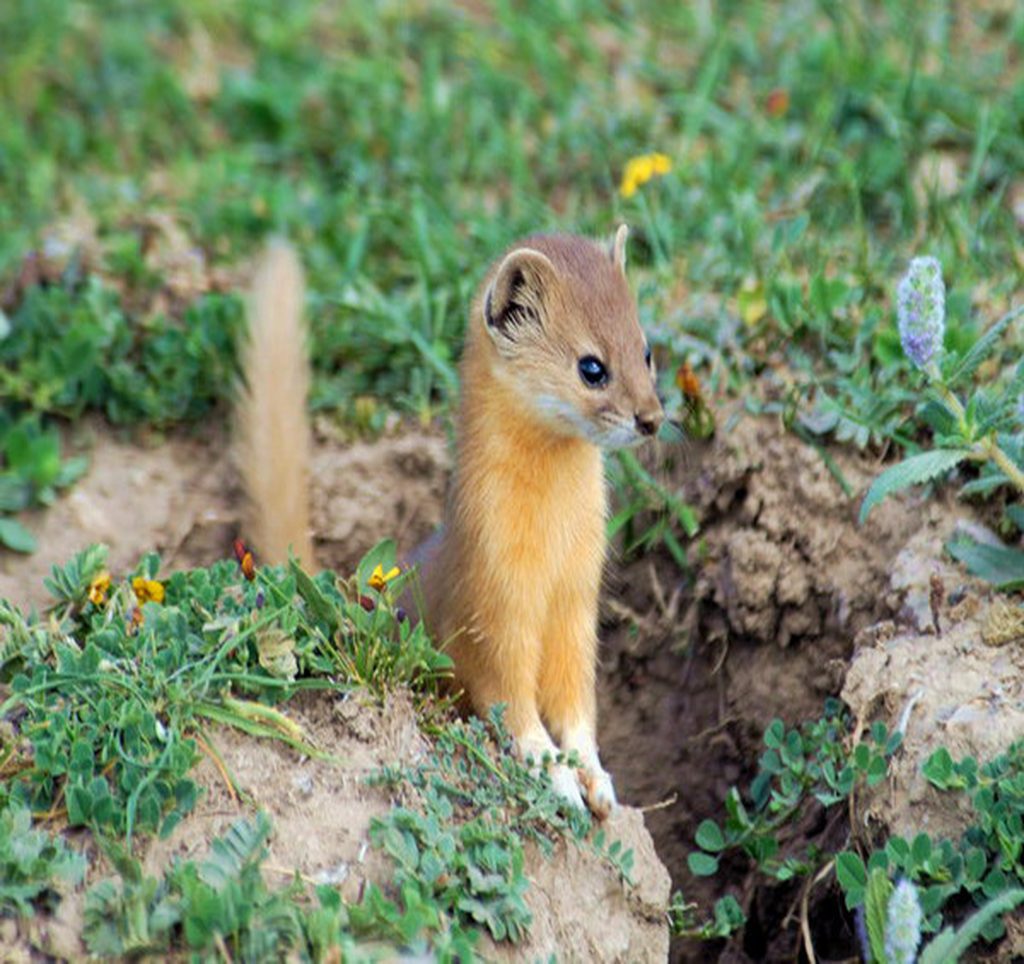
Introduction
The Least Weasel, Mustela nivalis, is the smallest member of the mustelid family and arguably the smallest carnivoran in the world. Ranging across Europe, Asia, and North America, it is a slender, relentless predator built for entering the burrows of its prey. Adults measure just 16 to 22 centimeters including the tail and weigh as little as 25 grams in some populations. Despite its diminutive size, the Least Weasel is famously bold, capable of killing rodents many times its own weight. Its near-global northern distribution makes it one of the most widespread mammals on Earth.
Taxonomy
Mustela nivalis was described by Linnaeus in 1766, with the species name nivalis meaning snowy, a reference to its white winter coat in northern populations. It belongs to the genus Mustela, which includes polecats, ferrets, and the closely related stoats. Multiple subspecies are recognized, varying in size and coloration with latitude; northern forms turn white in winter while southern forms remain brown. Molecular studies confirm its close relationship to the stoat, from which it is best distinguished by its smaller size and the absence of a black tail tip. The genus represents one of the oldest and most successful lineages of small terrestrial carnivores.
Physical Characteristics
The Least Weasel has an elongated, tubular body, a flattened head, and very short legs that let it pursue prey into narrow tunnels. Its fur is rich brown on the back and white below, turning fully white in snowy regions during winter. The tail is short and lacks the black tip seen in stoats. Males are markedly larger than females, a pattern common among mustelids. Its flexible spine allows sudden turns and contortions when hunting in confined spaces. Keen smell and hearing compensate for modest eyesight. The animal’s slender shape is a direct adaptation to a life spent chasing voles and mice through their own runways.
Habitat
Least Weasels occupy an extraordinary range of habitats, from grasslands, meadows, and farmland to woodlands, tundra, and rocky hillsides. They favor areas with abundant small rodent prey and ample ground cover. Unlike many carnivores, they adapt readily to cultivated landscapes and may even enter barns and outbuildings in search of mice. Their tiny size allows them to use rodent burrows as both hunting grounds and shelter. Across Eurasia and North America they are themselves preyed upon by larger carnivores such as the red fox, which helps keep their numbers in balance with local prey.
Diet
The Least Weasel is a specialist predator of small mammals, especially voles and mice, which can constitute nearly all of its diet. It also takes young rabbits, small birds, eggs, frogs, and insects when rodents are scarce. A single weasel may kill several prey items a day, storing surplus food in caches. Its hunting method relies on scent-tracking prey into burrows and delivering a precise bite to the skull. Because rodent populations fluctuate wildly, weasel numbers rise and crash in response, making them important natural regulators of pest species. This predatory efficiency has long made them welcome neighbors to farmers.
Reproduction
Breeding can occur from spring through autumn, and females are remarkable for their ability to delay implantation of embryos, a trait called embryonic diapause that lets births coincide with plentiful food. After a total development period of roughly thirty-four to thirty-seven days counting the delay, the female bears a litter of four to six blind, pink young in a grass-lined nest within a burrow or rock pile. The father takes no part in care. Young open their eyes at about three weeks and begin hunting independently by two months. Females may raise two or more litters per season, supporting rapid recovery after prey-driven population lows.
Conservation
The Least Weasel is listed as Least Concern globally thanks to its vast range and adaptability. Locally, however, populations can collapse when rodent prey crashes, and agricultural intensification that removes hedgerows and field margins reduces hunting habitat. In some regions it competes with and is displaced by the larger introduced stoat or feral cats. Conservation measures emphasize maintaining rough grassland, hedgerows, and undisturbed field edges that support both the weasel and its prey. Because it helps control voles and mice, the species is generally viewed as beneficial, and broad habitat protection serves it well without targeted intervention.
Fun Facts
The Least Weasel can squeeze through a hole the size of a wedding ring, a feat that lets it follow mice into their narrowest tunnels. In winter its coat may turn pure white while its prey remains brown, creating a stealthy contrast against snow. A weasel’s heart can beat over nine hundred times per minute during a frantic hunt. Despite weighing less than a smartphone, it can dispatch a red squirrel by exploiting sheer speed and surprise. Perhaps most astonishing, a single weasel family may consume more than a thousand mice in a single year, making it one of nature’s most effective pest controllers.
[…] known for their remarkable ability to prey on porcupines, a defence that deters most predators. weasel […]
[…] work Systema Naturae. It belongs to the family Mustelidae, the same group that includes the Least Weasel, stoats, and otters. The domesticated ferret (Mustela putorius furo) is generally treated as a […]