 By st20113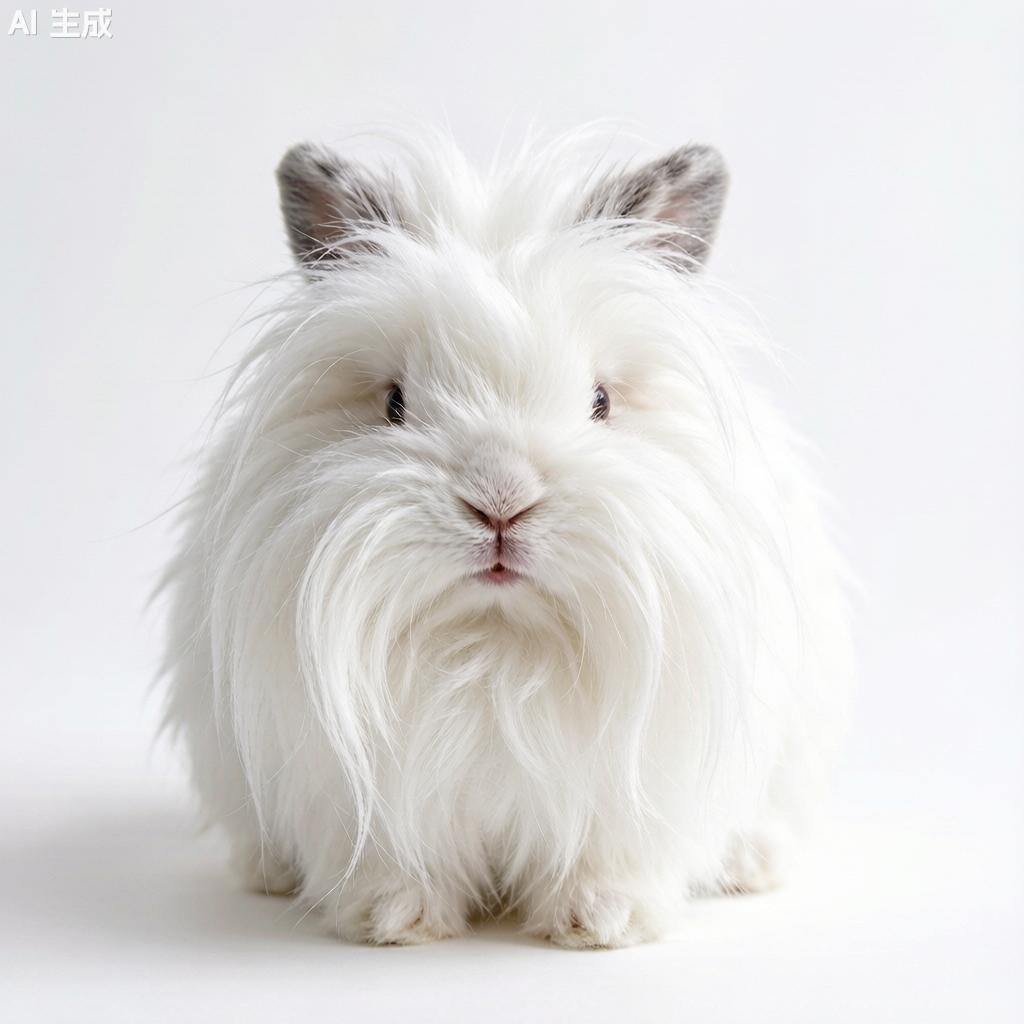
Introduction
The Angora Rabbit is one of the oldest domestic rabbit breeds in the world. These fluffy rabbits are prized for their incredibly soft, long wool. Their fur has been harvested for textiles for centuries. They originated in Turkey, specifically from the Ankara region, which gave them their name.
Unlike wild rabbits, Angoras have been selectively bred for their luxurious coat. Their wool is softer and finer than sheep wool. They require regular grooming to maintain their health and appearance. These gentle animals make popular pets and fiber producers worldwide.
Taxonomy
Angora Rabbits are domesticated descendants of the European Rabbit, Oryctolagus cuniculus. They belong to the family Leporidae, which includes all rabbits and hares. They are not a separate species but a domesticated breed variety. Selective breeding has created distinct Angora types.
Several breeds exist, including English, French, Giant, and Satin Angoras. Each was developed for different characteristics. Raccoon represents their wild cousins adapted to different environments. Their taxonomy illustrates the effects of human-directed evolution.
Physical Characteristics
Angora Rabbits are famous for their extraordinarily long, soft fur. Their wool can grow several centimeters long and requires regular shearing. The English Angora has fur covering its entire body, including the face and ears. Giant Angoras can weigh over 5 kilograms.
They come in various colors including white, black, chocolate, and multi-colored varieties. Their compact bodies are hidden beneath their profuse coat. Regular grooming prevents matting and keeps them comfortable. Their appearance differs dramatically from Red Fox predators they would face in the wild.
The wool grows continuously throughout their lives, unlike seasonal fur coats. This requires regular harvesting every 3 to 4 months. Without proper care, the long fur can become matted and cause health problems. Their fur density is much higher than other rabbit breeds.
Habitat
Angora Rabbits are domestic animals that live in human care worldwide. They require clean, well-ventilated housing with protection from extreme temperatures. Their thick coats make them sensitive to overheating. Proper housing must accommodate their grooming and health needs.
They thrive in temperate climates and indoor environments. Hutches or cages should allow room for movement. Many are kept in rabbitries for wool production. Their care requirements differ from Southern Flying Squirrel housing needs.
Diet
Angora Rabbits require a diet rich in fiber for digestive health. High-quality hay should form the bulk of their intake daily. Commercial rabbit pellets provide essential nutrients. Fresh vegetables like leafy greens supplement their diet.
Adequate water intake is critical, especially for rabbits producing wool. Their digestive systems are sensitive and must function properly. They practice coprophagy, eating certain feces to extract additional nutrients. Wild Boar feeding differs entirely from these herbivorous specialists.
Reproduction
Angora Rabbits can breed year-round under proper conditions. Does, or females, reach sexual maturity around 4 to 6 months. Bucks, or males, mature slightly later than does. Gestation lasts about 31 days, with litters of 4 to 12 kits.
Does pull fur from their bodies to line nests before kindling, or giving birth. Kits are born hairless and blind, opening their eyes after about 10 days. They nurse for several weeks before weaning. Proper nutrition is crucial during pregnancy and nursing.
Conservation
As domesticated animals, Angora Rabbits face no conservation concerns. However, their welfare in commercial settings has drawn attention. Responsible breeders prioritize animal health alongside wool production. Some countries have implemented welfare standards for angora wool production.
Ethical concerns have increased awareness of harvesting practices. Some producers use shearing while others harvest fur in ways that cause distress. Consumers increasingly seek humanely-produced angora products. Unlike Giant Panda conservation, this is an animal welfare issue.
Fun Facts
Angora wool has been harvested for over 800 years. It is one of the warmest natural fibers available. A single Angora Rabbit can produce 400 to 1200 grams of wool annually. The wool is blended with other fibers because pure angora is too slippery for spinning.
English Angoras require grooming every few days to prevent matting. Their fur grows continuously throughout their lives. They are known for their docile, friendly temperament. Angora shows attract enthusiasts who compete for prizes based on coat quality and conformation to breed standards.
These rabbits have been bred for wool production since ancient times. Their fiber is seven times warmer than sheep wool. Angora wool is prized for its softness, silky texture, and natural sheen. It is commonly used in luxury knitwear and blended with other fibers for durability.