 By st20113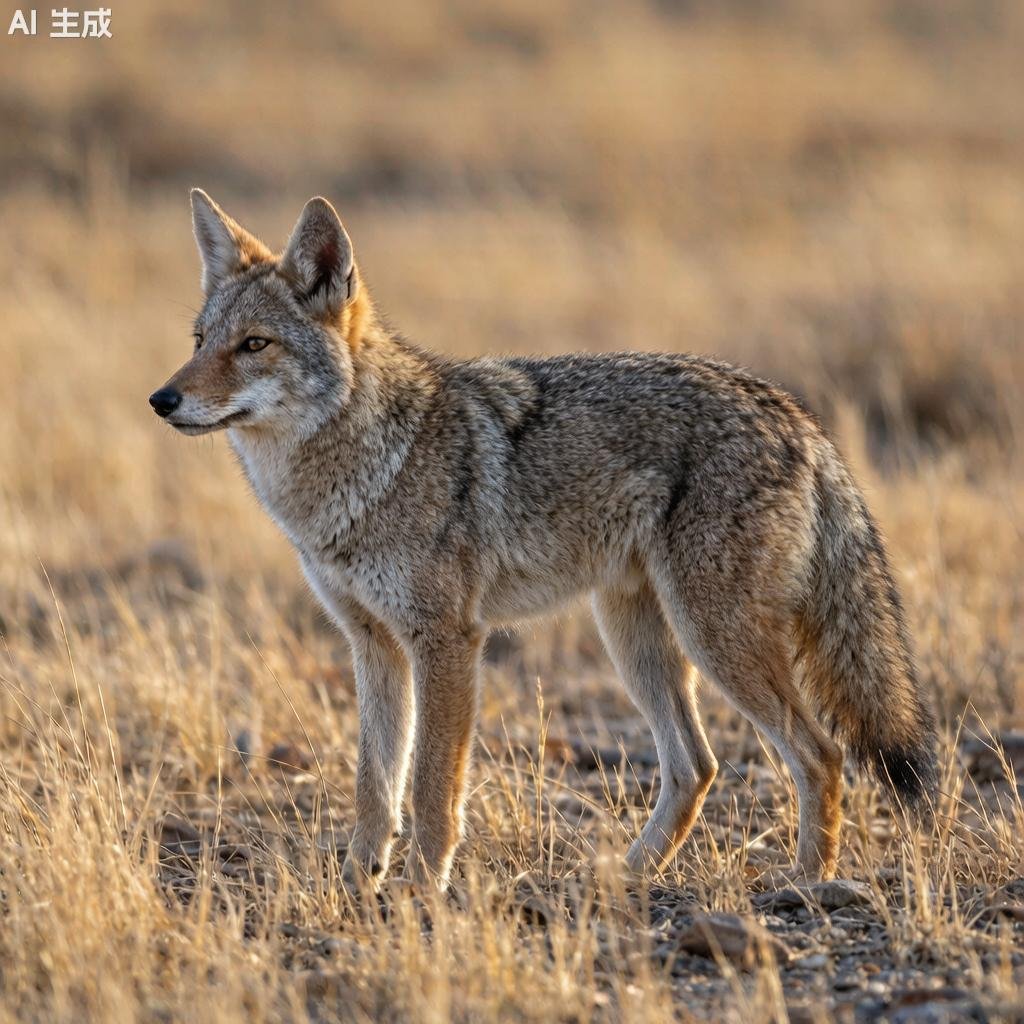
Introduction
The coyote, Canis latrans, is a highly adaptable canid native to North America and now found from Alaska to Central America. Often called the “song dog” for its expressive howls, it has expanded its range dramatically alongside human settlement. Coyotes are intelligent, social yet flexible animals that live alone, in pairs, or in family packs depending on conditions. They thrive in deserts, plains, forests, and cities alike. The gray wolf is its closest large relative, though the coyote is smaller and far more versatile.
Taxonomy
Canis latrans belongs to the genus Canis, which includes wolves, jackals, and domestic dogs. It is most closely related to the gray wolf and the eastern wolf, and the three can interbreed where their ranges meet. Genetic evidence shows coyotes diverged from wolves several hundred thousand years ago. The species name latrans means “barking” in Latin, a nod to its vocal nature. Coyotes are divided into numerous subspecies across North America. They are more distantly connected to the red fox, another widespread North American canid that occupies a smaller ecological role.
Physical Characteristics
Coyotes typically weigh 9 to 23 kilograms and stand about 60 centimeters at the shoulder, with a slender build, long legs, and a bushy tail carried low. Their coat is usually grayish-brown with reddish tinges and a pale underside, providing camouflage in open terrain. Large, pointed ears and a narrow muzzle aid in detecting sounds and scents across distances. Compared with the bulkier wolf, the coyote is lighter and faster over short bursts. Strong jaws and teeth allow it to crush bones and consume nearly all of its prey. Its keen senses make it an efficient hunter and scavenger.
Habitat
Coyotes are among the most adaptable mammals in the Americas, occupying prairies, deserts, woodlands, mountains, and dense urban centers. They den in burrows, rock crevices, or thick brush, often near water. Their ability to exploit human landscapes has driven a remarkable eastward expansion over the past century. They readily share space with generalist neighbors such as the raccoon, though competition for food is usually avoided through differing activity patterns. Territorial packs defend core areas, but solitary wanderers may roam widely in search of unclaimed ground.
Diet
Coyotes are true omnivores and opportunistic feeders. Their diet includes small mammals such as rabbits, rodents, and ground squirrels, as well as birds, reptiles, insects, fruit, and carrion. They sometimes hunt larger prey in cooperation, including deer weakened by winter. In open country they pursue swift grazers such as the pronghorn, though healthy adults are difficult to catch. Urban coyotes scavenge pet food and garbage, which brings them into conflict with people. Their dietary flexibility is a major reason for their success across such varied environments and climates.
Reproduction
Coyotes breed once per year, typically in late winter. After a gestation of about 60 to 63 days, the female gives birth to four to seven pups in an underground den. Both parents, and sometimes older siblings from previous litters, help feed and guard the pups. The young emerge from the den at around three weeks and are weaned by two months. They learn to hunt alongside adults through the summer before dispersing in autumn. Family bonds are strong during the rearing season, with coordinated howling reinforcing group cohesion across the territory.
Conservation
The coyote is classified as least concern and is arguably one of the most successful mammalian colonists of the modern era. Intensive eradication campaigns in the nineteenth and twentieth centuries failed to reduce its numbers; instead, coyotes expanded their range. They are hunted and trapped across much of their range, yet populations remain resilient. Their flexibility in diet and habitat use buffers them against most pressures. Continued coexistence in cities requires public education about securing food sources and discouraging habituation, ensuring both people and coyotes remain safe.
Fun Facts
A coyote’s howl can travel more than a kilometer and is often used to reunite pack members. Coyotes can run at speeds up to 65 kilometers per hour when chasing prey. They are one of the few large carnivores that have increased their range in the human era. Pairs often mate for life and share parenting duties. Coyotes use a rich vocabulary of yips, barks, and growls to communicate. Unlike the larger cougar, coyotes readily colonize open human spaces, helping them spread across the continent.