 By st20113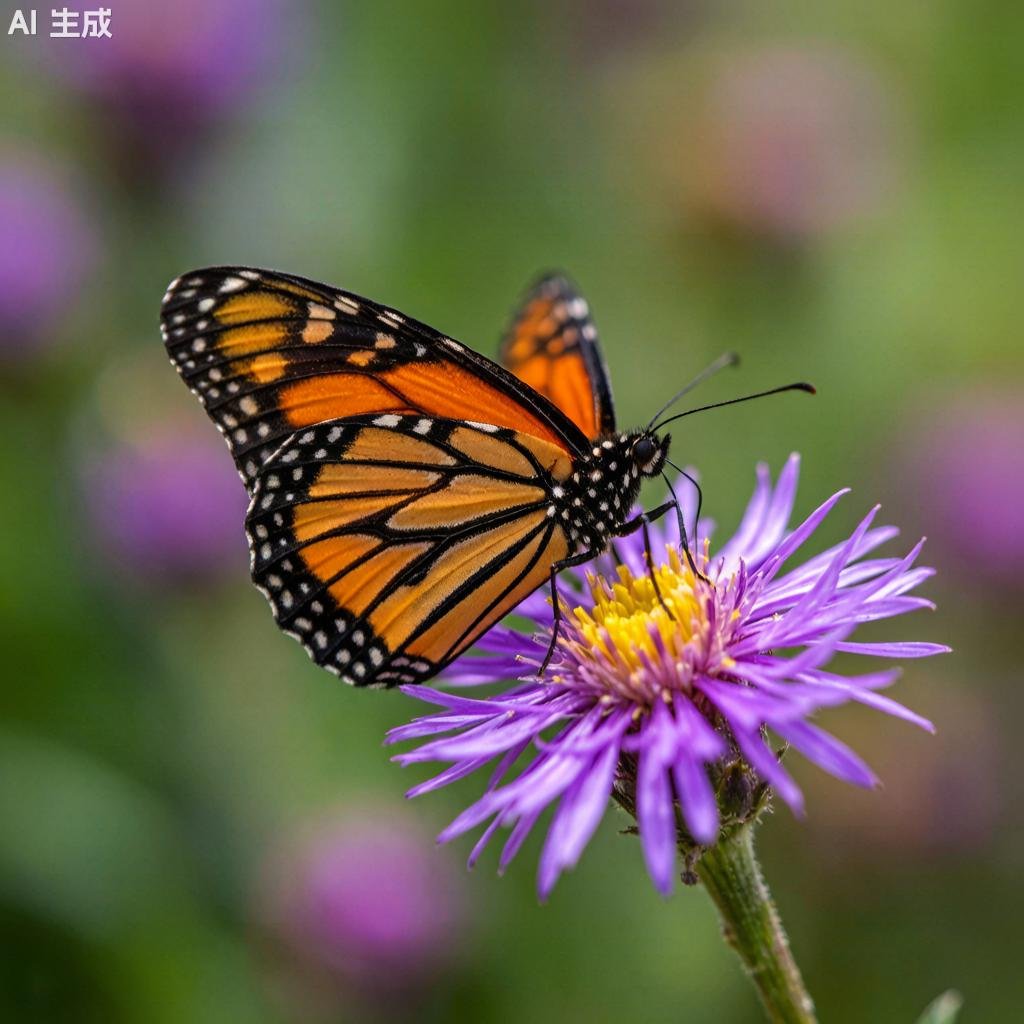
Introduction
The monarch butterfly (Danaus plexippus) is arguably the most celebrated butterfly species on Earth, renowned for one of the most extraordinary feats of animal navigation: a multi-generational migration spanning the entire breadth of North America. Each autumn, millions of monarchs depart their breeding grounds across the United States and Canada, traveling up to 3,000 miles to reach the oyamel fir forests of central Mexico, where they cluster by the millions. With wings stretching up to 4 inches and marked by a striking pattern of orange, black, and white, the monarch is instantly recognizable. Its vivid warning coloration signals its toxicity to predators, a defense refined over millions of years of evolution.
Taxonomy
The monarch butterfly belongs to the family Nymphalidae, the largest family of butterflies, and the subfamily Danainae, which includes all milkweed butterflies. Its scientific name, Danaus plexippus, was assigned by Carl Linnaeus in 1758. Molecular phylogenetic studies have confirmed that Danaus plexippus is sister to the southern monarch (Danaus erippus). The species also occurs in Hawaii, Australia, and other locations as a result of natural range expansion. Widespread North American birds such as the common raven and the bald eagle share the monarch’s geographic range and cultural significance as iconic species of the continent.
Physical Characteristics
The monarch butterfly displays one of nature’s most distinctive color patterns: deep burnt-orange wings veined with bold black lines and bordered with white spots on a black edge. Males can be distinguished from females by the presence of a black scent gland on each hindwing. Migratory monarchs are notably larger and have longer, more durable wings than their non-migratory summer counterparts. The monarch’s wings are covered in thousands of tiny overlapping scales that give them their color and texture. The caterpillar bears alternating bands of yellow, white, and black, with a pair of fleshy tentacles sprouting from the front and rear of its body.
Habitat
The monarch butterfly occupies an enormous geographic range spanning two continents. During summer, monarchs are found throughout most of the United States and southern Canada, wherever milkweed plants — the sole host plant for their caterpillars — are available. This habitat includes meadows, fields, roadsides, and prairie grasslands. The wintering grounds in central Mexico consist of high-altitude oyamel fir forests at elevations of 9,800 to 12,000 feet. On the western coast of North America, a separate population overwinters in eucalyptus groves along the California coastline. The specific microhabitat requirements of overwintering sites are extremely narrow, making these locations critically vulnerable to deforestation and climate change.
Diet
The monarch butterfly’s diet changes dramatically across its life stages. As caterpillars, monarchs feed exclusively on milkweed plants (Asclepias spp.), consuming leaves, flowers, and seed pods. Milkweed contains cardiac glycosides, potent heart poisons that the caterpillar absorbs and stores in its body tissues, making both the caterpillar and adult butterfly toxic to most vertebrate predators. Adult monarchs are generalist nectar feeders, visiting a wide variety of flowering plants including coneflowers, zinnias, and milkweed itself. During winter aggregation in Mexico, monarchs survive primarily on stored fat reserves.
Reproduction
Monarch reproduction is intimately tied to the cycle of migration and the seasonal availability of milkweed. Females deposit their eggs singly on the underside of milkweed leaves — a single female may lay between 300 and 500 eggs over her lifespan of up to eight months. Each egg hatches within 3 to 5 days into a tiny caterpillar that immediately begins feeding. The caterpillar goes through five growth stages over approximately 10 to 14 days, during which it increases in mass by up to 3,000 times. It then forms a jade-green chrysalis with gold-traced spots before the adult butterfly emerges after 8 to 15 days of metamorphosis.
Conservation
The monarch butterfly has experienced dramatic population declines over the past three decades. The eastern North American population has declined by approximately 85 percent since the mid-1990s, while the western population has declined by more than 99 percent. The primary drivers are the loss of milkweed habitat across the American Midwest due to herbicide use, deforestation of overwintering forests in Mexico, and extreme weather events linked to climate change. In December 2024, the U.S. Fish and Wildlife Service listed the monarch as threatened under the Endangered Species Act. Conservation initiatives include planting milkweed corridors and establishing protected areas. Another North American species benefiting from renewed conservation is the gray wolf, whose recovery illustrates the impact of dedicated conservation efforts, alongside the corn snake, which signals the broader health of grassland ecosystems.
Fun Facts
Monarch butterflies are among the very few insects capable of making transcontinental journeys, rivaling the navigational achievements of migratory birds. The migrating generation can live up to eight months — nearly ten times longer than their non-migratory summer counterparts. Monarchs navigate using a time-compensated sun compass, calibrating their direction based on the sun’s position and time of day using internal circadian rhythms located in their antennae. A chemical compound derived from the monarch’s wing has inspired the development of new solar cell technology.
[…] windows and distinctive hooked forewing tips that resemble snake heads. Like the migratory monarch butterfly, it is celebrated for its spectacular appearance, though it belongs to the order Lepidoptera as a […]