 By st20113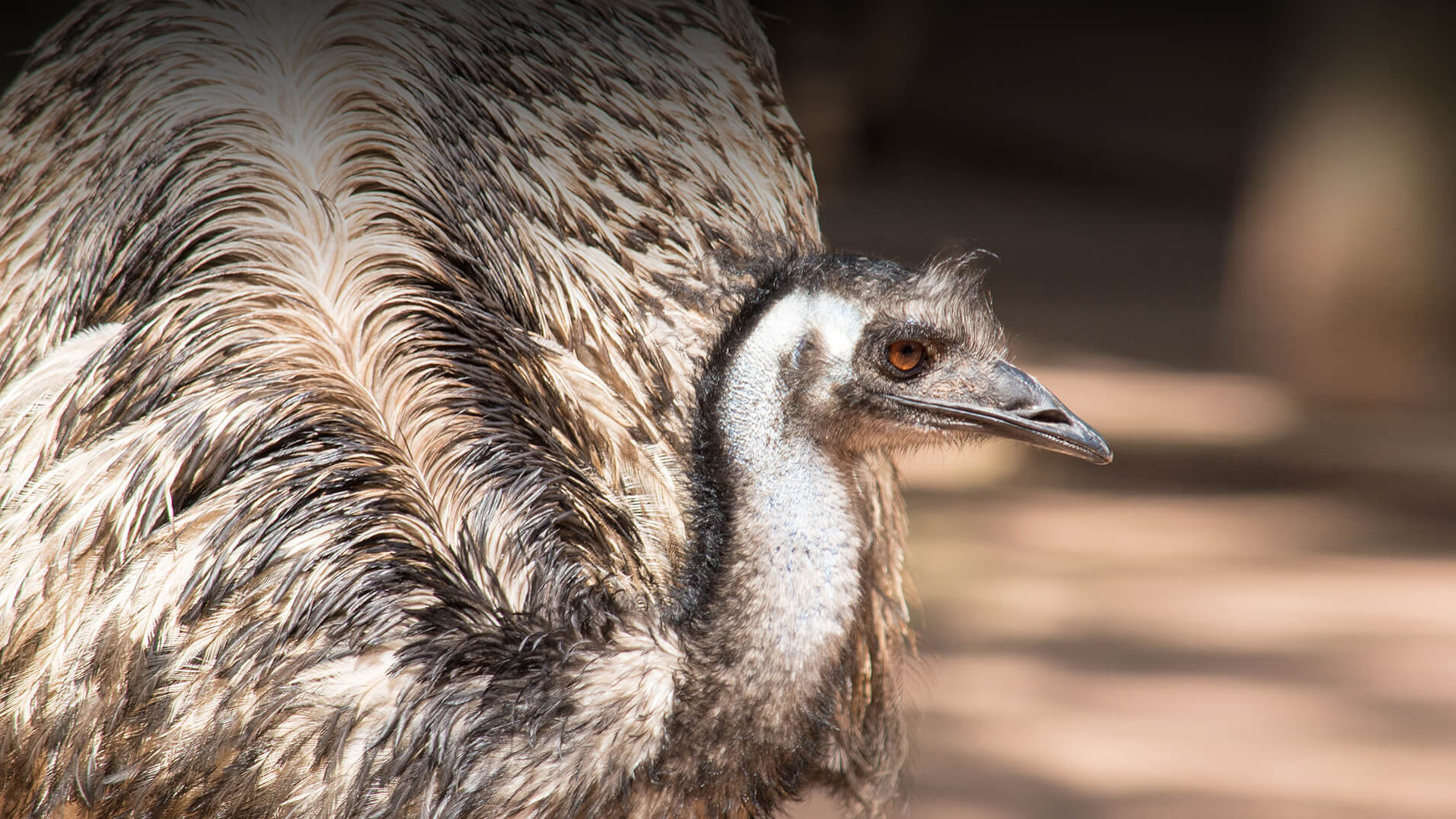
Introduction
The emu (Dromaius novaehollandiae) is Australia’s tallest native bird and the second-largest living bird in the world after the ostrich. Reaching up to 1.9 meters in height and weighing as much as 55 kilograms, this striking flightless bird is found across almost the entire continent, from coastal mangroves to the arid interior. With its soft, brownish-gray plumage that resembles coarse hair, its long neck, and its powerful legs, the emu is an unmistakable silhouette against the Australian landscape. An iconic symbol of the outback, it holds deep cultural significance for Aboriginal Australians.
Taxonomy
The emu belongs to the order Casuariiformes and the family Dromaiidae, making it a close relative of the southern cassowary and the ostrich. Genetic evidence has revealed that the extinct Tasmanian emu and King Island emu were genetically distinct populations hunted to extinction in the 19th century. The only remaining subspecies is the mainland emu, D. n. novaehollandiae. Despite sharing the ratite body plan with its cousins, the emu has evolved unique traits including softer, more hair-like plumage and a specialized vocal organ that distinguish it as a separate and highly successful lineage.
Physical Characteristics
The emu’s appearance is dominated by its long, powerful legs and distinctive brown plumage. Each leg has three forward-facing toes with thick, blunt claws adapted for running and kicking. The bird’s leg muscles are extraordinarily well developed, allowing it to sprint at speeds of up to 50 km/h with an energy-efficient loping stride. Its small, rounded wings are almost completely hidden beneath loose, double-layered plumage. The head and neck are covered in pale blue skin visible through sparse feather tracts. Emus have no preen gland and rely on dust-bathing to maintain their plumage — an adaptation that helps repel parasites in the dry Australian climate.
Habitat
The emu is found in most habitats across mainland Australia, from coastal heathlands and sclerophyll forests to the semi-arid mulga and spinifex plains of the interior. They are absent only from densely populated areas, rainforests, and the extreme arid core of the continent. Emus are highly nomadic, following seasonal rainfall to exploit bursts of plant growth and insect activity. They share much of their range with other iconic Australian fauna including kangaroos, koalas, and the platypus. Emus are comfortable in temperatures ranging from below freezing to over 45 degrees Celsius.
Diet
The emu is an omnivore with a broad, opportunistic diet that changes dramatically with the seasons. During spring and summer, it feeds primarily on the seeds of native grasses and herbaceous plants, including wattles and eucalyptus. In the wet season, it turns to fruits such as wild figs, native grapes, and quandong. Insects — particularly caterpillars, beetles, grasshoppers, and ants — form an important protein-rich component, especially for growing chicks. Emus also consume flowers, fungi, and occasionally small frogs. Like all ratites, they swallow pebbles to aid digestion in their gizzard.
Reproduction
Emu breeding is triggered by increasing day length and typically begins in the austral spring. The male builds a simple ground nest lined with grass and bark, into which the female lays between 5 and 20 dark olive-green eggs, each weighing up to 900 grams. Once laying is complete, the male takes sole responsibility for incubation, which lasts approximately 56 days. During this period, the male does not leave the nest to feed, surviving on accumulated fat reserves and losing up to 20 percent of his body weight. Chicks are precocial and cared for by the male for 6 to 8 months. Emu chicks are striped brown and cream for camouflage.
Conservation
The emu is listed as Least Concern, with populations estimated in the hundreds of thousands across its vast Australian range. However, the species has had a turbulent relationship with humans. In the 1930s, the Australian government waged a campaign against emus — deploying soldiers with machine guns after emu flocks caused extensive crop damage in Western Australia — known as the Emu War, which the birds ultimately won through sheer elusiveness. Today, emus face challenges from habitat fragmentation, vehicle strikes, and competition with introduced livestock for water and food. Harpy eagles and foxes are the primary predators of eggs and chicks.
Fun Facts
The emu and the ostrich are the only birds with such heavily muscled thighs that emu meat is often compared to lean beef. Emus have a unique vocalization: a deep, resonant booming call produced by a specialized inflatable sac in the neck, audible up to two kilometers away. One emu egg is roughly equivalent to 10 to 12 chicken eggs in volume, and the dark green eggs are so thick-shelled that early settlers reportedly used them as water containers. Emus can survive for weeks without eating, subsisting on fat stores, and can go for long periods without drinking water, obtaining moisture from the plants they eat.