 By st20113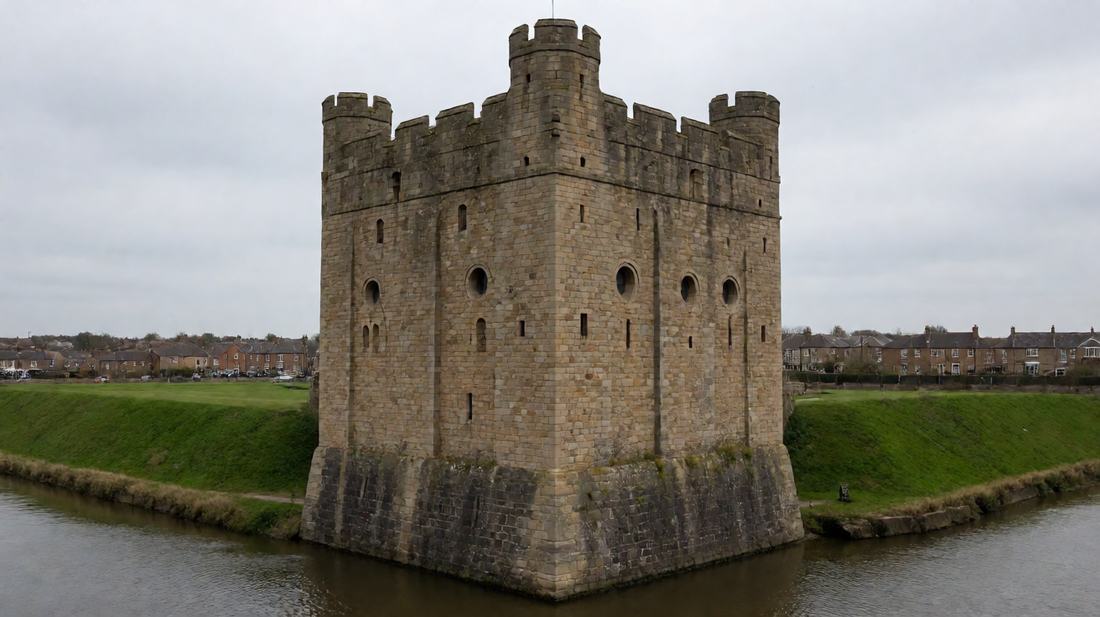
The Norman Conquest | 1066
Historical Profile · England and Normandy
The Norman Conquest | 1066
One autumn, two invasions and a new ruling class: how a small force from northern France remade the language, the church and the land.
AD 1066
Edward died
Stamford Bridge
Hastings
Crowned
Survey
The big picture
Introduction
The Norman Conquest was the takeover of England by a small force. It came from northern France in the year 1066. It happened in a single autumn.
An English king died in January. Two invasions followed. By Christmas a foreign duke was king in London.
In a few years it replaced the whole ruling class. It changed the language and rebuilt the church. It also covered the land with castles.
Setting
Historical Context
England had been ruled by one royal house for most of the 1000s. The king, Edward, had spent part of his youth in Normandy. He came to the throne in 1042. He brought Norman advisers with him. He had no children.
By the mid 1060s several men believed they had a claim. The strongest were Harold and William, the duke of Normandy. Normandy was itself a state built by settlers from the north. Its rulers were descended from the raiders of the Viking Age. They had been given land in France in return for peace.
Within a few generations they had taken up the French language. Their dukes were among the best soldiers in Europe. The king of Norway also claimed the English throne.
Turning points
Key Events
Edward the Confessor died on 5 January 1066. Harold was crowned the next day. He was the richest man in England. He knew he would have to fight for the crown. The first blow came in September. The Norwegian king landed in the north with a large fleet. Harold marched his army more than 300 km in a few days.
On 25 September 1066 he broke the invaders at Stamford Bridge. The Norwegian king was killed. Three days later William landed on the south coast. He came with about 7000 men. Harold turned his tired army south and met him at Hastings. The battle was fought on 14 October. The English fought on foot behind a wall of shields.
The battle lasted all day. By the evening Harold was dead and the English line had broken. William waited, and the leading men of England came to him. He was crowned at Westminster on Christmas day that year. Resistance went on for years. In the winter of 1069 and 1070 William laid waste to the north. By about 1072 the conquest was complete enough to hold.
1
2
3
Who held power
People and Powers
William ruled as king by right of conquest. He claimed that Harold had sworn an oath to support him. He kept most of the land himself. He gave the rest to a small group of followers. They held it in return for military service. The old English ruling class was destroyed.
Within 20 years almost every great landholder was a Norman. The English church was remade as well. English bishops were replaced. A Norman churchman was made archbishop of Canterbury. Castles were put up at first in earth and timber. The greatest of them, the Tower of London, was begun about 1078.
Landholding, law and the royal household were reorganised. A body of written records was started. The greatest record was made in 1086. The king sent out men to list who held every piece of land.
Everyday world
Daily Life and Society
For most people the change was slow. A farmer saw little difference except that the lord spoke French. The language of the court and the law became French. The people went on speaking English. That split lasted for 300 years.
English came back as the language of the law in the 1300s. By then it had taken in thousands of French words. The words of the kitchen stayed English. The words of law and government came from French. The countryside was put under a new set of lords.
The old free farmers lost ground. Land was measured and divided. The new lords built their castles in the towns. The towns were given new charters and new taxes.
Craft and ideas
Trade, Technology and Ideas
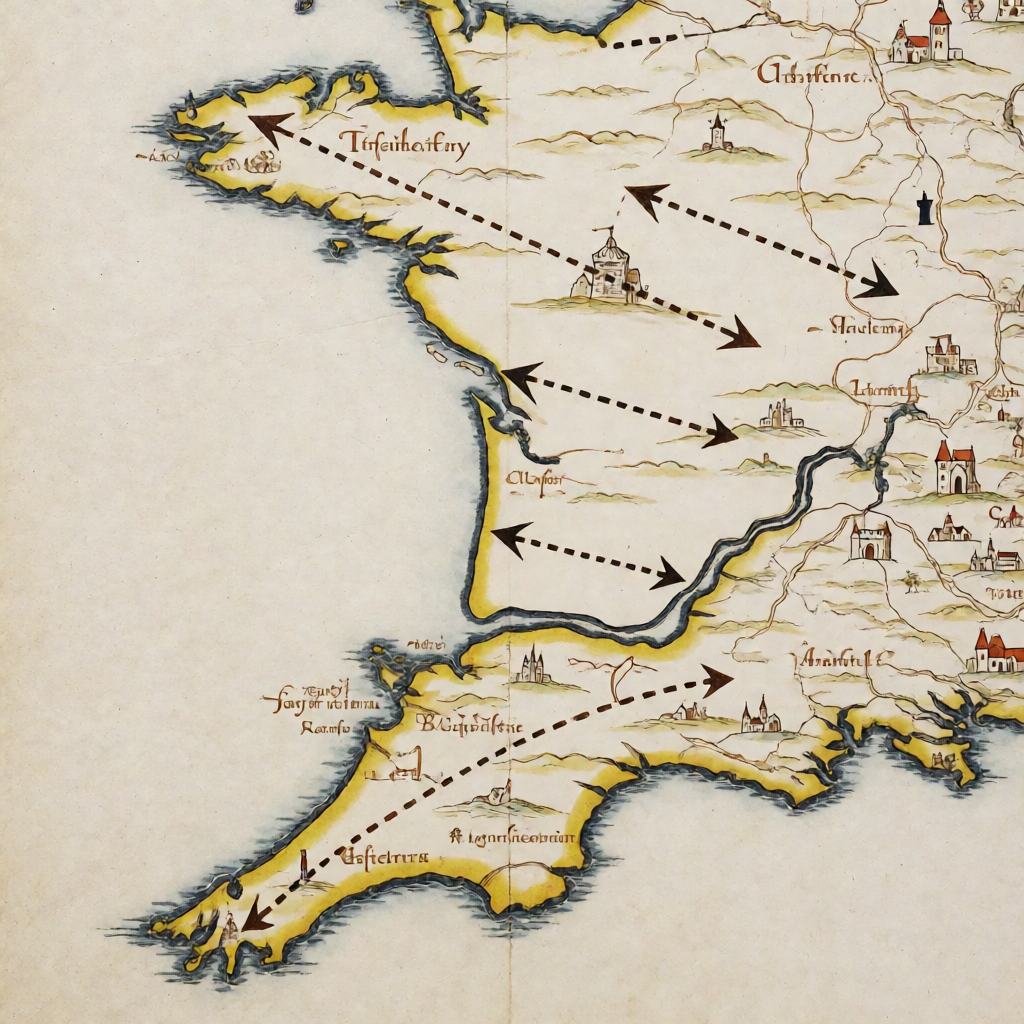
The conquest tied England to the continent. Before 1066 the country had looked north and east. After it, its trade and politics looked south. The English wool trade came to be run by merchants. They dealt with the cloth towns of Flanders.
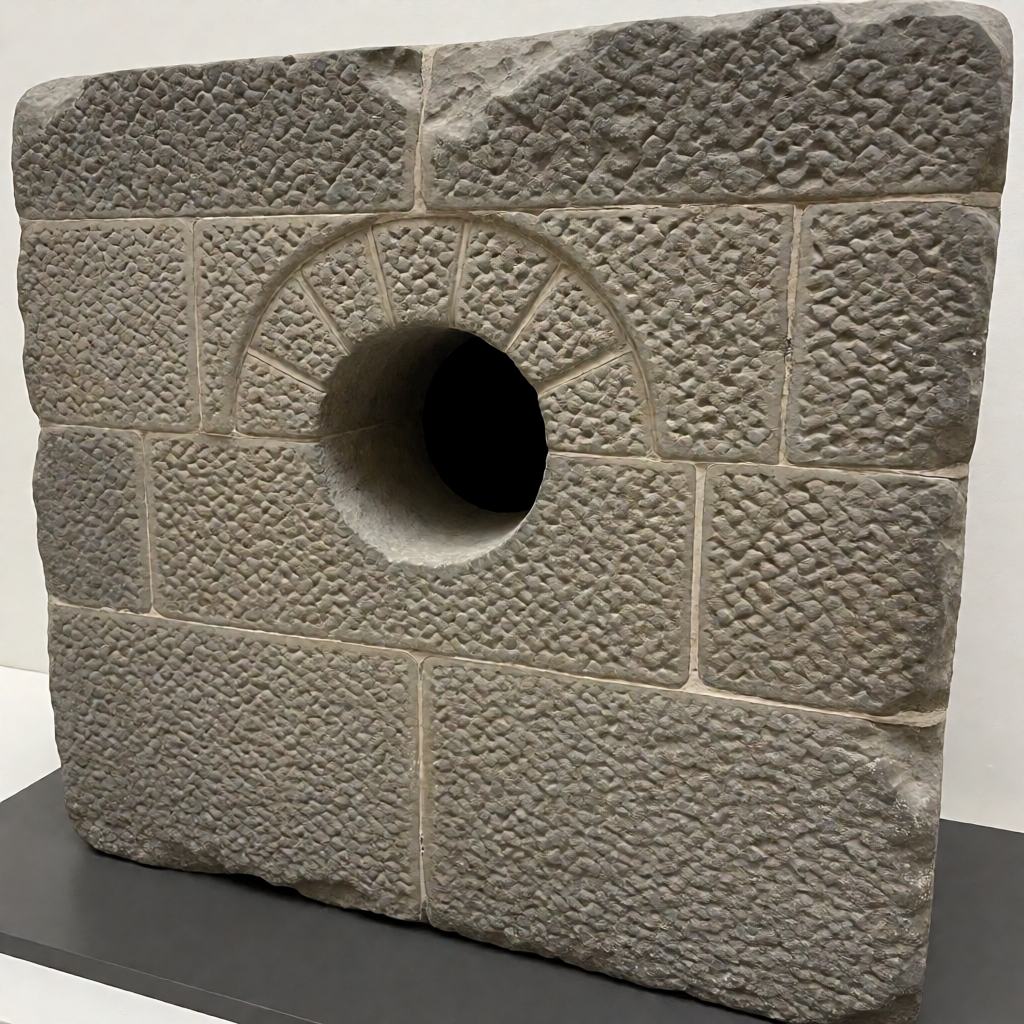
Building changed fast. The Normans brought a style of heavy stone building. It used round arches, thick walls and huge pillars. Every cathedral in England was rebuilt in the next 100 years. Hundreds of parish churches and monasteries were rebuilt too.
Fine stone was brought across the sea from Normandy. The state became a machine for writing things down. A census of land and a set of royal accounts were begun. The king’s clerks wrote on rolls of parchment. England ended up with the densest records in Europe.
What lasted
Legacy
The Norman Conquest gave England a new ruling class. It bound the country to France for 400 years. That tie ended with the loss of the last French lands in the 1400s. The kings of England went on calling themselves dukes of Normandy.
It also left the language. English is a Germanic tongue with a huge French vocabulary. The castles and cathedrals are the other lasting mark.
Quick hits
Five Things to Remember
- King Edward the Confessor died on 5 January 1066.
- Harold broke a Norwegian invasion at Stamford Bridge on 25 September 1066.
- William landed with about 7000 men and won at Hastings on 14 October 1066.
- He was crowned in Westminster on Christmas day 1066.
- The Domesday survey of land was made in 1086.