 By Iris
The Ilkhanate | The Mongols of Iran
Historical Profile · Iran and Iraq
The Ilkhanate | The Mongols of Iran
A Mongol army took Baghdad, ended a caliphate and then settled into a Persian state that it ran with Persian clerks.
AD 1256-1335
Founded
Capital
Baghdad
Reform
End
The big picture
Introduction
Mongol columns crossed the river Oxus in 1256 and never went home. Their commander was a grandson of Genghis Khan, and his orders were simple. He took the mountain forts of the men called Assassins, and thus opened the road to Iraq. Then he turned on Baghdad.
Baghdad fell in 1258, and the caliph died. The fall ended a line of rulers 500 years old, and in effect removed the centre of the faith. Their rule ran from the Oxus to the Euphrates, and it lasted 79 years. Its capital was Tabriz.
Wealth came from the road. Mongol rule brought a census, a postal system and indeed a single tax. It also brought a lesson about what an army on open land can do. Their rule ended in 1335 with no heir worth the name.
Setting
Historical Context
Genghis Khan had divided his conquests among his sons, and the west fell to one branch. One branch held the steppe north of the Caspian and the Aral. Its ruler sent his brother west in 1253 with a large force. Cities that opened their gates were spared, and cities that resisted were not. Orders came from a single tent, and they moved faster than any rival could answer. Baghdad had been a capital for 500 years.
Its walls were low. Its army was small. It had no allies at all. Baghdad fell after a short siege, and the killing went on for days. Libraries that had taken centuries to build went into the river. Power changed hands in Iraq, though a branch of the old line held Cairo.
Hulagu’s army then turned west again, and it met a Mamluk force in 1260. At Ain Jalut the Mongols lost a battle, and thus the advance stopped. Frontiers settled on the Euphrates, and the line stayed there for a century. What remained was a state with Mongol rulers and Persian clerks, and indeed a Persian language of government.
Turning points
Key Events
Hulagu took the fortress of Alamut in 1256, and the order that held it ended. Baghdad fell two years later, and a caliph was killed for the first time. News of the killing shocked the region, and it in turn cleared the road west. Syria was next. Damascus opened its gates. Then came Ain Jalut in 1260.
Mamluk troops met the Mongols in Galilee, and they won. The battle set the border, and it in effect made the Mamluk house a great power. Civil war at home pulled the Mongol armies back east, and two brothers then split the state for 80 years. Ghazan took the throne in 1295, and he became a Muslim. His choice turned a foreign garrison into a local government, and thus into a lasting one. He reformed the tax, and he built a canal system near Tabriz.
In 1294 the court tried paper money, and the market refused it, since no one would take it. Paper money failed within a year. Memory kept the lesson. Plague came in the 1330s, and the last ruler died in 1335.
1
2
3
Who held power
People and Powers
Khans sat at the top. Their families held the provinces. Mongol commanders kept their own troops. These troops were paid in land. Persian clerks ran the offices, and they kept the records in their own tongue.
The division of labour worked, and indeed it kept the state running. Women of the royal house could hold a province, and two of them did. Law was a mix of Mongol custom and Islamic rule, and the mix was uneasy, though it held. Ghazan’s minister wrote a history that is still read. He also wrote on medicine and on farming, and he wrote as a public officer.
Armed force was the real power, and it could make or break a khan. Tax farming handed a province to a bidder, and the bidder in turn had to collect. Tax farming paid for the state, and it crushed the villages that paid it. Reform came late. Reform came from the top, and thus it did not last.
Everyday world
Daily Life and Society
Most people farmed, and most of them farmed for someone else. Villages paid a share of the harvest, and they in turn paid in labour too. Water came from a channel. A channel needed a village to keep it.
Tabriz grew into a great city, and one traveller wrote that its bazaar was the finest he had seen. Houses were of mud brick. A flat roof was a bed in summer. Plague came in waves, and each wave took the young first, while doctors wrote books that copied each other.
Schools could be paid for by a trust, and a trust could last. Women of the court could own land, and some ran estates. Outside the cities, life changed little. Every new ruler meant a new tax, and that was the whole of politics for a village.
Craft and ideas
Trade, Technology and Ideas
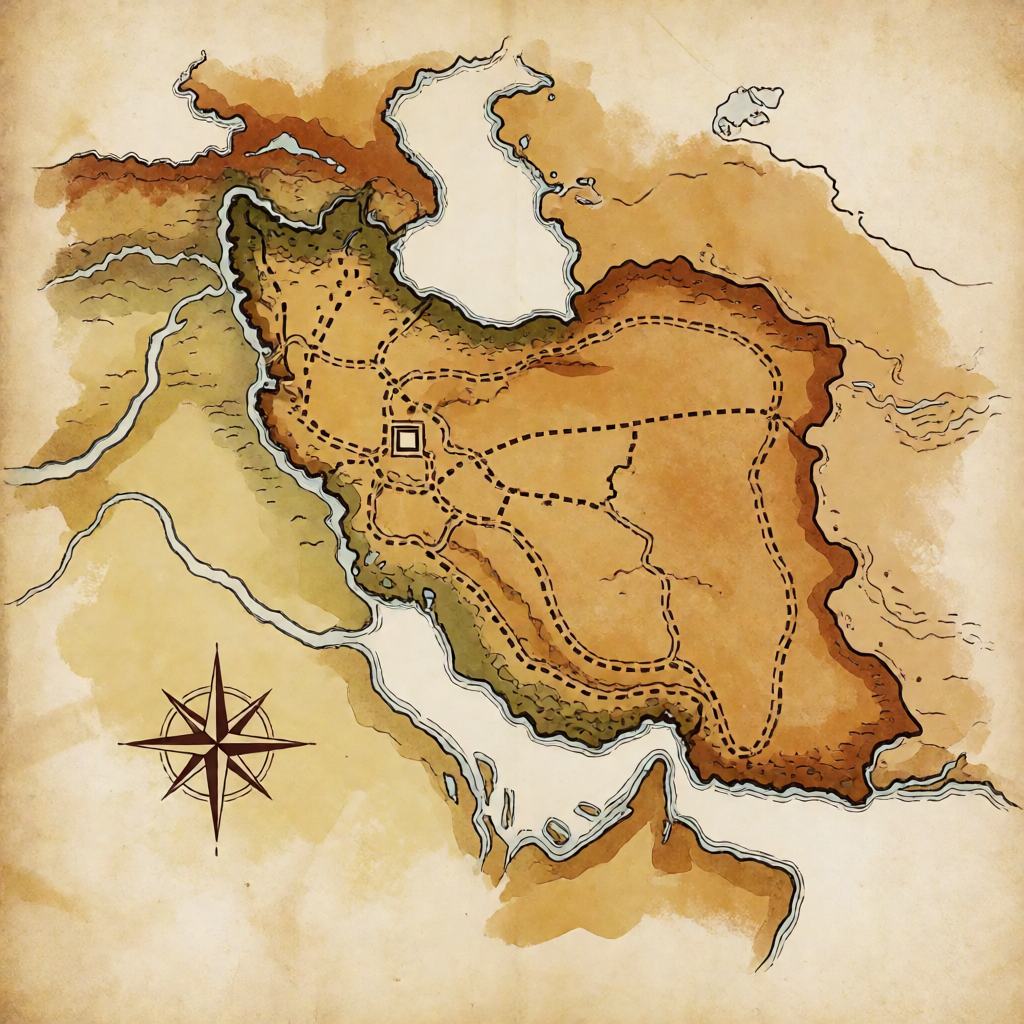
Persia sat on the road between China and the Mediterranean, and it taxed what crossed. Merchants could travel from Tabriz to Khanbaliq with one passport. Safety was worth money, and in effect the tolls were low by the standard of the age. Silk went west, and silver came east.
The Silk Road had never been safer, and the volume of trade rose. Paper making came from China and printing in turn followed, so that 100 copies could be made in a month. Astronomy served the calendar, and the calendar likewise served the tax. An observatory at Maragha held instruments that no European court could match.
Those tables were used for 400 years. Medicine drew on India, China and Greece, and the mix was written down. Ideas moved with the caravans, and thus a Chinese method could reach Persia in a decade. Samarkand sat to the north, and its workshops fed the same trade.
What lasted
Legacy
It broke up in 1335, and five houses fought over the pieces. What survived was a set of offices, a language and indeed a style of building. Persian stayed the language of government for 500 years, and it spread east.
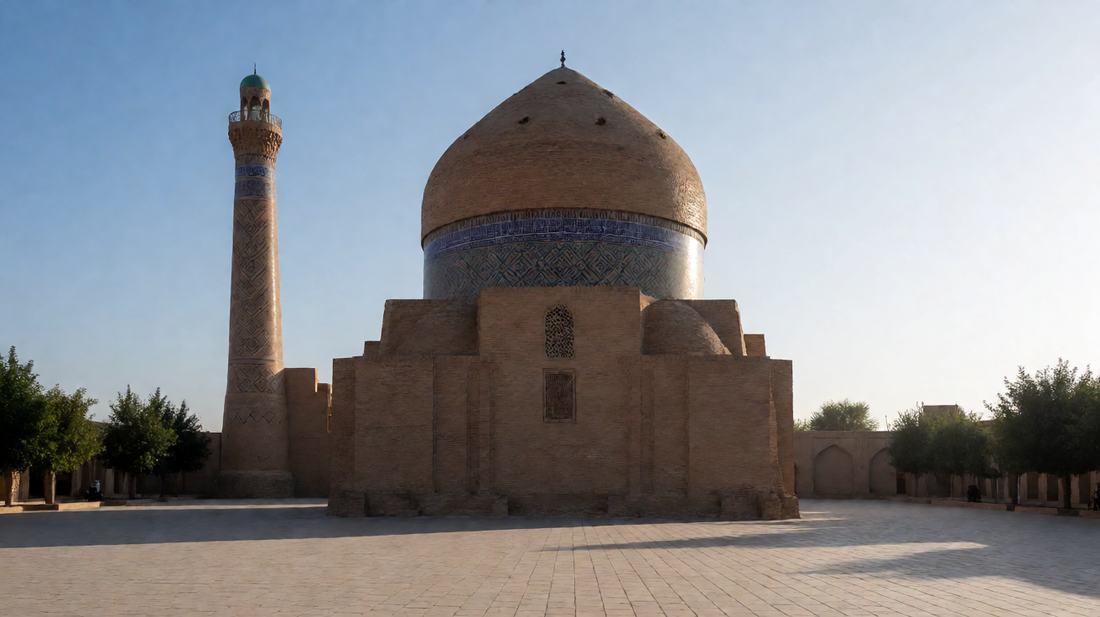
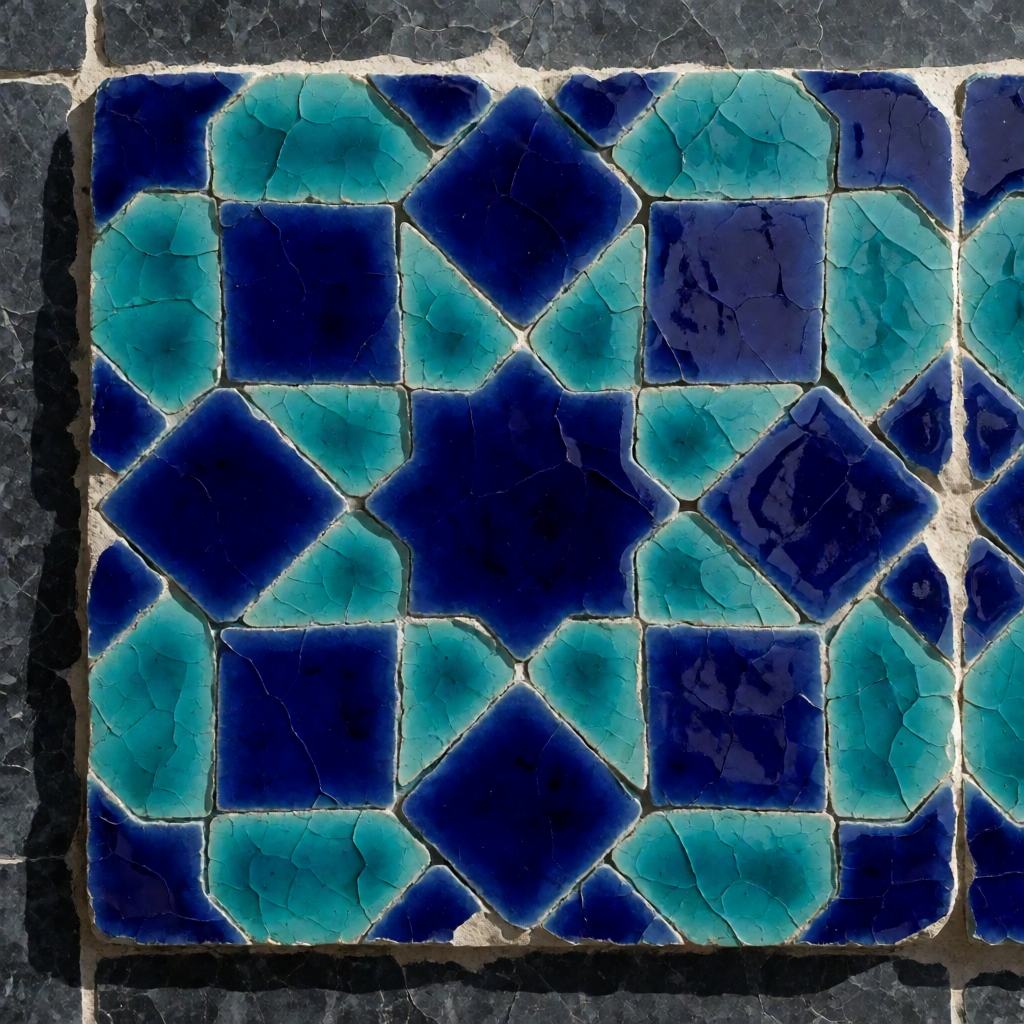
Census records gave later rulers a map of who owed what, and thus a tool for tax. Tabriz kept its bazaars, and the blue tile work in turn spread across the region. Two centuries later the Safavid Empire took the same ground, and it kept the same offices.
Roads that are safe create wealth, and a state that guards them can tax the wealth. Such is the lesson, and it is one that outlived the family. Few empires have done so much damage and left so much standing.
Side by side
How It Compares
| Point | Ilkhanate | Mamluk Sultanate |
|---|---|---|
| Dates | AD 1256-1335 | AD 1250-1517 |
| Base | Iran and Iraq | Egypt and Syria |
| Army | Mongol horse and local levies | Slave soldiers paid in cash |
| Faith | Shamanist, Buddhist, then Muslim | Sunni Muslim |
| Money | Tolls on the road, then a land tax | Nile grain and the spice road |
| End | Broke into five houses in 1335 | Fell to the Ottomans in 1517 |
Common misreadings
What People Get Wrong
- The Mongols are often described as destroyers of trade. They rebuilt the road, kept it guarded and taxed it, and the volume of traffic rose.
- The defeat at Ain Jalut is usually read as the end of the Mongol threat. It set a border, and raids continued for decades on both sides.
- Ghazan’s conversion is often called a sudden turn. It came after years of pressure from his own officers, and it was a political choice as much as a spiritual one.
Going further
Sources and Further Reading
- Wikipedia, Ilkhanate
- Encyclopaedia Britannica, Il-Khanid dynasty. Encyclopaedia Britannica, Inc.
- Jackson, P. 2005. The Mongols and the West. Pearson Longman.
- Morgan, D. 1986. The Mongols. Blackwell.
Quick hits
Five Things to Remember
- Hulagu took Alamut in 1256 and Baghdad in 1258.
- The Mongols lost at Ain Jalut in 1260, and the border held.
- Ghazan became a Muslim in 1295 and reformed the tax.
- Paper money failed in 1294 after a few months.
- The dynasty ended in 1335 with no clear heir.