 By st20113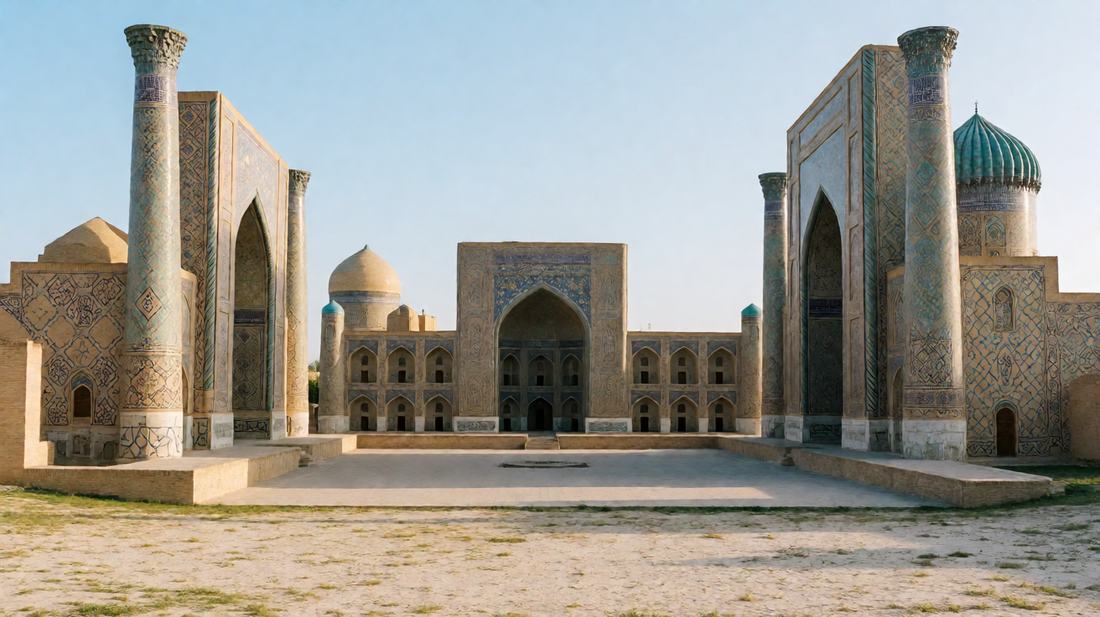
Samarkand | The City of the Silk Road
Historical Profile · Central Asia
Samarkand | The City of the Silk Road
A river valley town that sat near the middle of the roads between China and the sea, and became the seat of the empire of Timur.
c. 700 BC-AD 1500
Taken by
Seat of
Observatory
Paper
Listed
The big picture
Introduction
Samarkand lies in a river valley in Central Asia. It is in what is now Uzbekistan. It is one of the oldest cities in the world.
People have lived there without a break for more than 2500 years. It was already a great city when Alexander took it in 329 BC. Later it became the seat of the empire of Timur.
The buildings he and his heirs put up are among the finest anywhere. The city has been taken and ruined many times. Each time it was rebuilt.
Setting
Historical Context
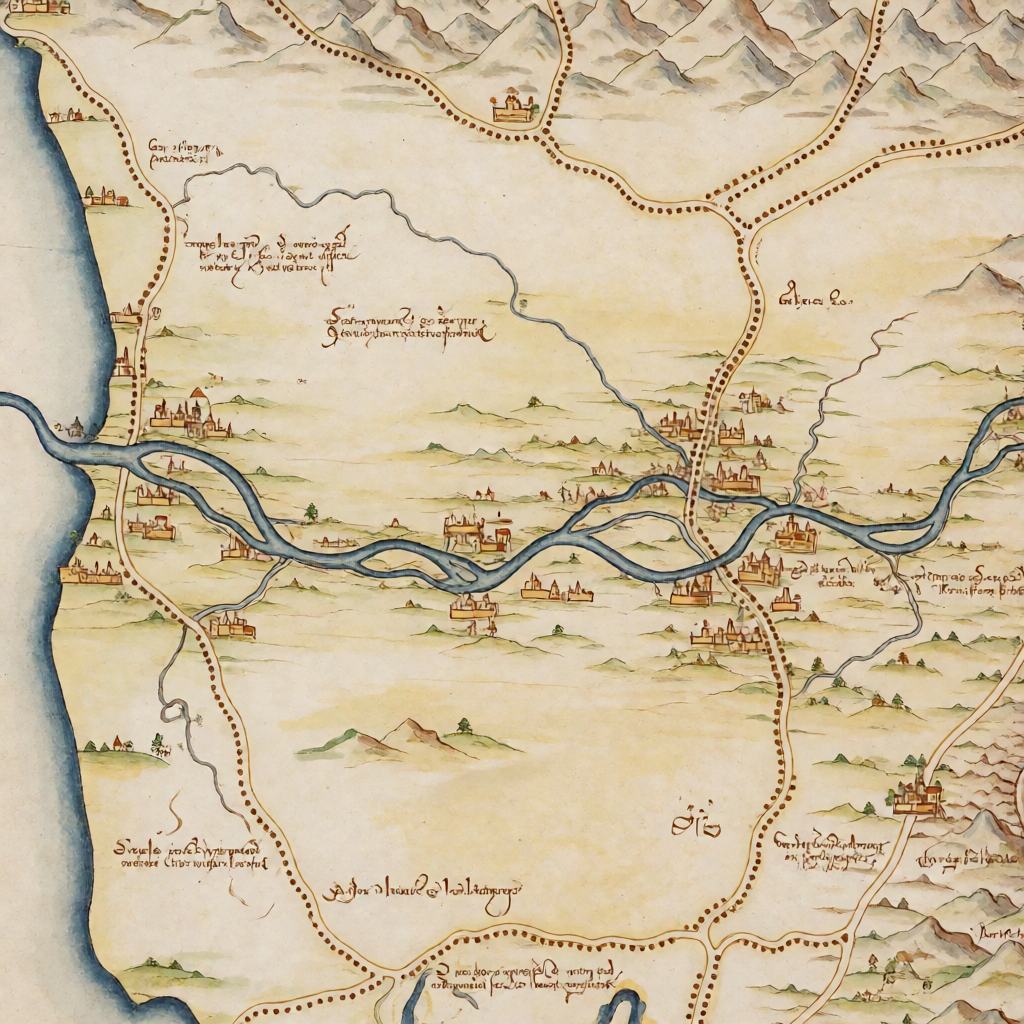
The city sits on the river Zerafshan. There the settled lands of the valley meet the open plain. That spot made it a natural meeting point. Roads ran east toward China and south toward India. Others ran west toward Persia and the sea.
Those roads were later joined into the routes called the Silk Road. Samarkand sat near the middle of them. The town was the chief city of a district called Sogdiana. Its people, the Sogdians, became the great traders of Asia. They ran outposts along the roads as far as China.
Their language was used for trade across a huge area. Water was the other source of power. The river fed a system of channels. The channels made the valley rich in a land that was dry on every side.
Turning points
Key Events
The city was taken by an army from Classical Greece in 329 BC. It was one of the hardest fights of that campaign. The town was destroyed in the taking and rebuilt on the same site. For the next 1000 years the city changed hands many times. It was ruled by Greek kings and by local lords. Turkic powers from the steppe and Chinese armies came too. In 712 an Arab force took it. The region became part of the Islamic world.
The heaviest blow came in 1220. A Mongol army under Genghis Khan destroyed much of the city. The trade of the valley was cut for a generation. Samarkand recovered, and in 1370 it became the seat of Timur. He built an empire from the sea to India. He brought craftsmen back from every campaign. He set them to work on his own city. Timur died in 1405, on the way to a campaign in China.
His grandson Ulugh Beg took the throne. He cared more for numbers and the sky than for war. He built an observatory about 1420. The tables of star positions worked out there were used for centuries. After his death in 1449 the city went into a slow decline. In 1868 it passed to Russia.
1
2
3
Who held power
People and Powers
Timur was the maker of the city as we see it. He ruled through fear. He moved whole families of craftsmen to Samarkand. His wife, Bibi Khanym, was the patron of the great mosque. The mosque still carries her name.
His grandson Ulugh Beg was the scholar of the family. Trade was in the hands of families rather than states. Traders worked in firms and moved goods on credit. The city had its own quarters for different trades and peoples. The markets were watched by men who checked weights and prices.
The city also drew scholars. It became a great home of law, history and the sky. Paper making reached the city early. The trade in copied books was one of its businesses.
Everyday world
Daily Life and Society
Water shaped daily life. The channels ran through the city and out to the fields. Men shared the water out and settled quarrels over it. The valley grew produce for the city. The city sold cloth, metalwork and paper back to the villages.
The town was walled, and the gates were shut at night. The streets were narrow and the houses looked inward. A courtyard and a high wall kept out the heat and the dust. The rich had gardens with water channels and shade. Life was mixed.
Sogdians, Persians, Turks, Arabs and Chinese all had a place. Each group kept its own customs. The markets dealt in goods from a dozen lands. One street might sell Chinese silk beside Persian metalwork.
Craft and ideas
Trade, Technology and Ideas
The city’s wealth rested on the movement of goods. Silk, paper, glass, metal, spice and gems passed through. Every load paid a share to the ruler. Samarkand made its own goods as well. There was fine paper, cotton cloth, glazed pottery and metalwork.
Ideas travelled with the goods. Paper making moved west from China along this route. It reached the Islamic world in the 700s. The skill of glazed tile work came from Persia. Samarkand’s builders took it further than anyone.
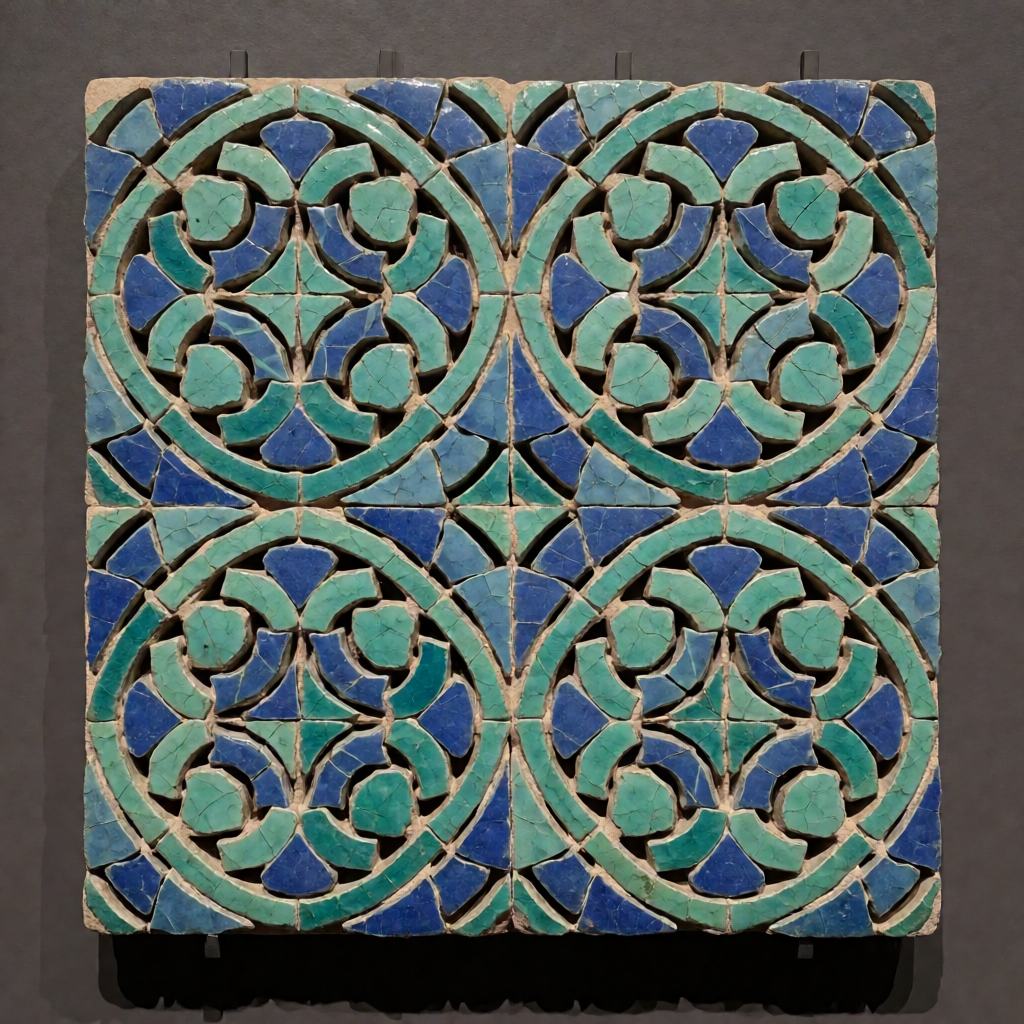
The great buildings of the period are covered in tile. The tile is cut and set to make patterns of great complexity. Astronomers there worked with tools of their own design. They measured the length of the year closely. Their figure was not much improved on for 200 years.
What lasted
Legacy
The old city was listed as a world heritage site in 2001. The great square at its centre is called the Registan. Three tiled buildings face each other across an open space.
Samarkand is a reminder of how much history was made inland. For centuries it was one of the richest places on earth. The trade that made it rich carried paper, numbers and ideas in both directions.
Its decline came when sea routes took the trade. The roads that had made it great grew quiet.
Quick hits
Five Things to Remember
- Samarkand sits in a river valley in Central Asia, in what is now Uzbekistan.
- It was taken in 329 BC by an army from the Greek world.
- It became the seat of the empire of Timur in 1370.
- Ulugh Beg built an observatory there about 1420.
- The old city became a world heritage site in 2001.