 By st20113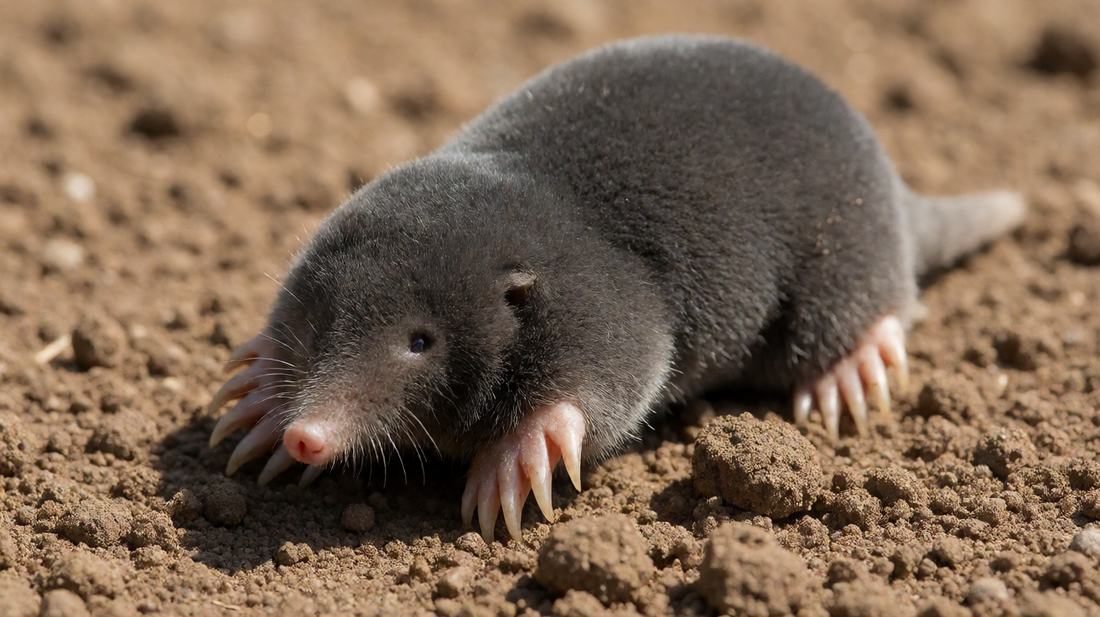
Talpa caeca | Blind Mole
Species Profile · Talpidae
Blind Mole
A small digging mammal of southern European uplands whose eyes are covered with skin and which spends nearly all its life in tunnels.
A southern European mole whose eyes are covered by skin
Head and body
Weight
Eyes
Front paws
Litter
Family
The Blind Mole
A digger of southern European uplands
The Blind Mole is a small digging mammal of southern Europe. It is 1 of the few moles with skin over its eyes. It spends nearly all its life underground.
Its broad front paws move soil with great speed. It rarely comes to the surface.
Family tree
Eulipotyphla, Talpidae
The Blind Mole belongs to the phylum Chordata. Its class is the Mammalia, the mammals. Its order is the Eulipotyphla. Its family is the Talpidae, the moles.
Our animal shares the family with the European Mole. That family holds about 40 species. All of them dig with broad front paws.
13 cm with skin over the eyes
How to tell one
The head and body measure 10 to 13 cm. The animal weighs about 30 g. The fur is dark grey.
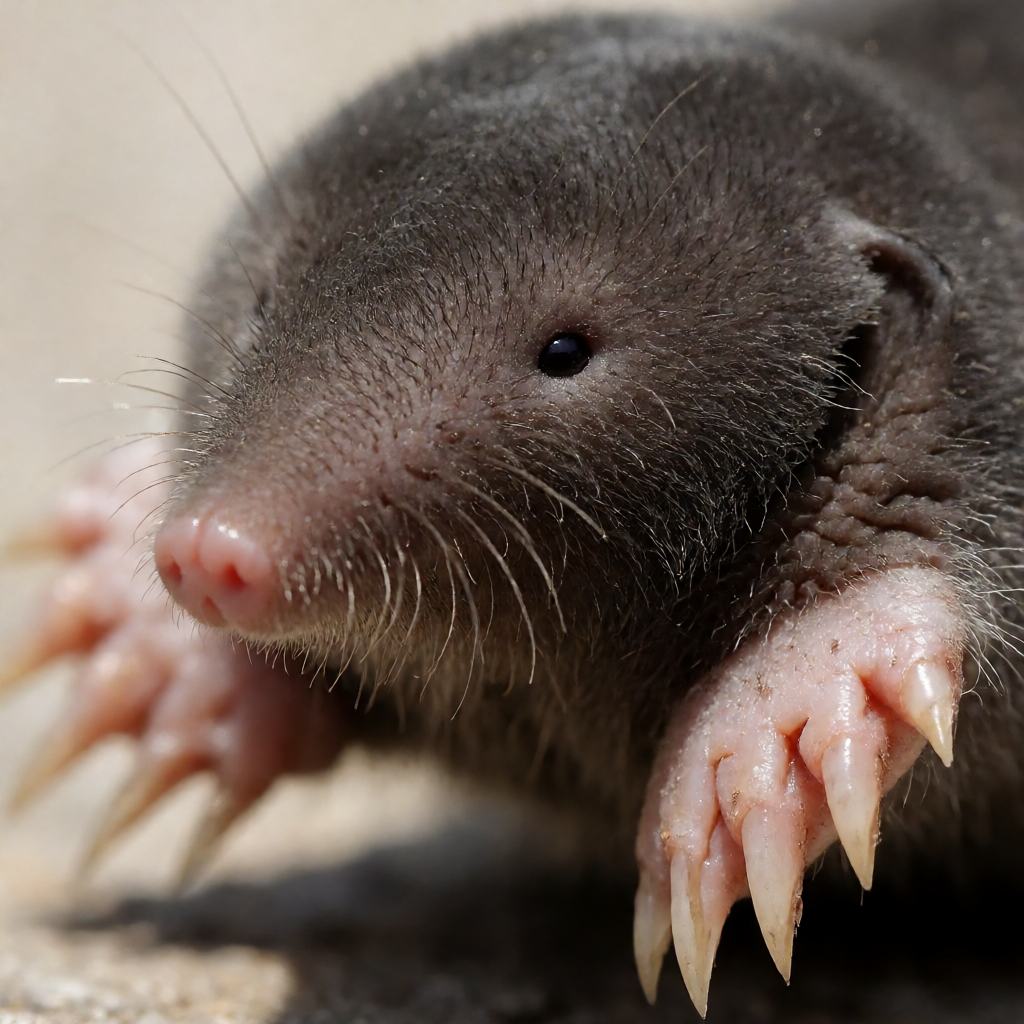
It is short and velvety. The snout is pointed and bare. The eyes are covered by a layer of skin.
The front paws turn outward. Each paw carries 5 strong claws.
1
2
3
Mountain woodland and meadow
Where it lives
The species lives in mountain woodland and meadow. It needs deep light soil. It also uses farmland and gardens. It digs tunnels just below the surface.
The soil must stay moist. It avoids ground that floods. Cold upland valleys suit it well.
Worms, larvae and slugs
What it eats
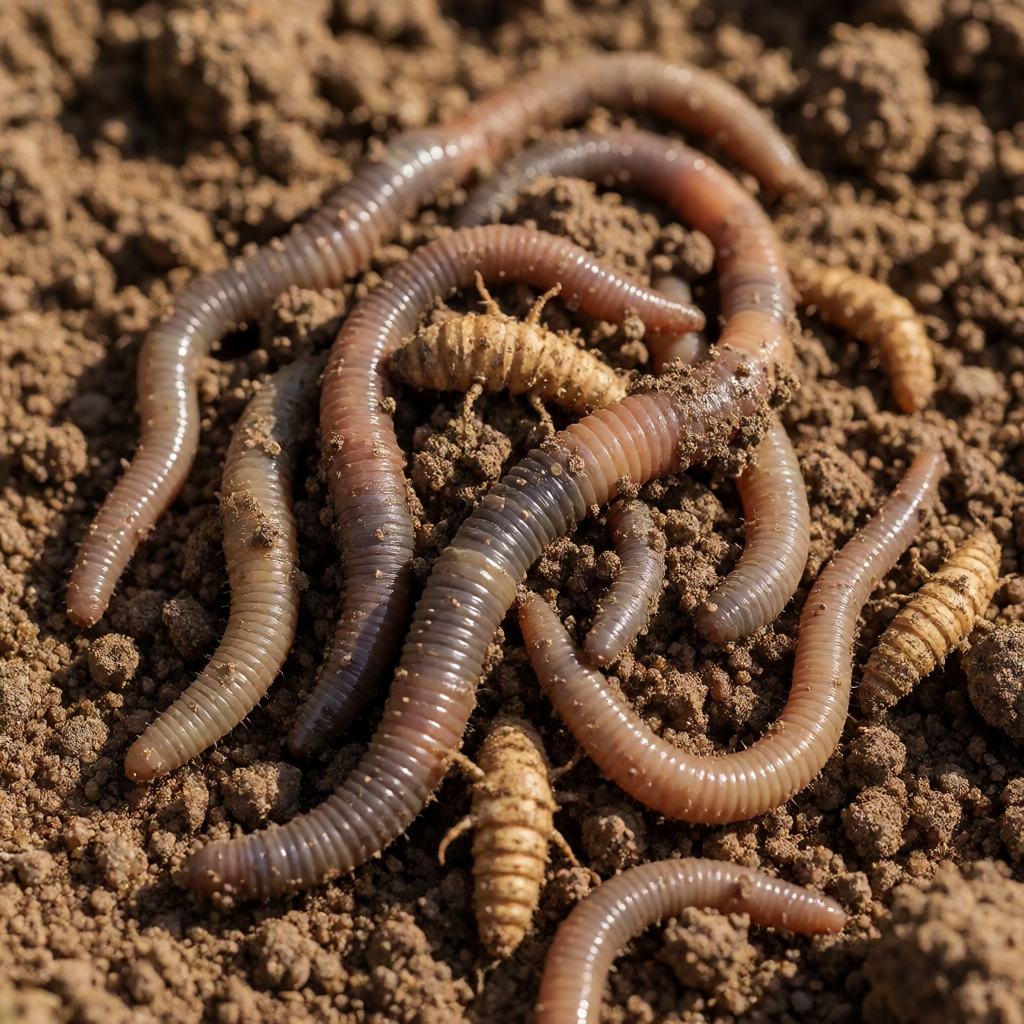
The animal eats earthworms and insect larvae. It also takes slugs and small beetles. It hunts along its own tunnels.
It must eat often to stay alive. It stores worms for lean days. It can smell prey in the dark.
A leaf nest and one litter
The breeding cycle
The female makes a nest of dry leaves. She breeds once a year. A litter holds 3 to 5 young. The young are born blind and bare.
They leave the nest after about 1 month. They dig their own tunnels soon after. The animal lives for a few years.
Farm chemicals and deep ploughing
Conservation
The Blind Mole is listed as Least Concern by the IUCN. It is common in suitable ground. Farm chemicals reduce its food.
Deep ploughing damages its tunnels. Very dry summers cause losses. The species is not in decline.
Quick hits
Five things to remember
- Its eyes are covered by skin and cannot see.
- It can dig through soil faster than a person with a spade.
- It pushes surplus soil out as small mole hills.
- Its fur bends in any direction in the tunnel.
- It can go without food for only a short time.