 By st20113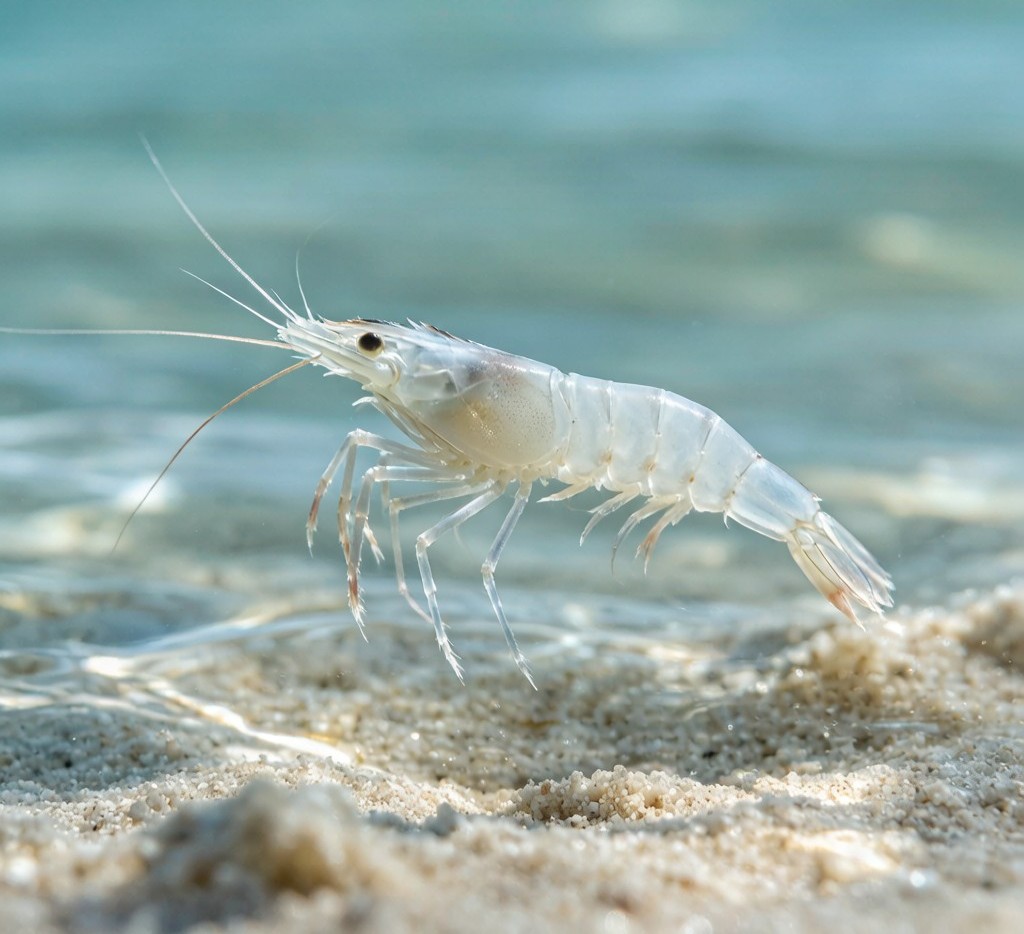
Introduction
The white shrimp (Litopenaeus setiferus), also called the Atlantic white shrimp or gray shrimp, is a commercially important penaeid shrimp native to the western Atlantic from New York to the Gulf of Mexico and Brazil. A key species in both fisheries and aquaculture, it supports major seafood industries across the southeastern United States and Mexico. White shrimp inhabit estuaries and nearshore waters, playing a central role in coastal food webs as both predator and prey. Their translucent, fast-growing bodies make them a familiar component of marine and culinary culture alike. crab oyster
Taxonomy
The white shrimp belongs to the family Penaeidae, the penaeid or swimming shrimp, within the order Decapoda. The species Litopenaeus setiferus was originally described by Linnaeus as Cancer setiferus and later reassigned to the genus Litopenaeus based on morphological and genetic revision. It is one of several closely related penaeid shrimp in the western Atlantic, including brown and pink shrimp. Molecular phylogenetics supports the separation of Litopenaeus from the Indo-Pacific giant tiger prawn group, reflecting separate evolutionary histories across ocean basins.
Physical Characteristics
White shrimp are slender, laterally compressed decapods with a long rostrum (beak) bearing teeth on both edges, a feature distinguishing them from related species. They reach about 18 to 20 centimetres in length and are translucent greyish-white to pale green, often with faint reddish spots. Like all shrimp, they have ten legs, a muscular abdomen, and a flexible exoskeleton that must be moulted to grow. The first three pairs of thoracic appendages are modified into maxillipeds and walking legs, while the abdomen bears swimmerets used for locomotion and brooding eggs. The eyes are on stalks, providing a wide field of vision.
Habitat
White shrimp are estuarine-dependent, spending their juvenile stage in shallow bays, salt marshes, and seagrass beds where food is abundant and predators are fewer. Adults migrate offshore to deeper nearshore waters to spawn before the next generation returns to estuaries. They tolerate a wide range of salinities but prefer warmer temperatures above roughly 20 degrees Celsius. Seagrass meadows and mangrove fringes provide critical nursery habitat, buffering temperature and offering refuge. Pollution, coastal development, and altered freshwater flows can degrade these essential nursery grounds.
Diet
White shrimp are omnivorous detritivores and opportunistic feeders. They consume organic detritus, algae, diatoms, meiofauna, and small invertebrates scraped from sediments and vegetation. Using their mouthparts, they sift through mud and sand, playing an important role in recycling nutrients within estuaries. They also scavenge dead organisms and occasionally take small live prey. In turn, white shrimp are a fundamental food source for dozens of species, including fish, crabs, seabirds, and marine mammals, linking benthic and pelagic food webs. Aquaculture diets replicate this omnivory with formulated feeds.
Reproduction
Spawning occurs offshore, with females releasing hundreds of thousands of eggs that hatch into planktonic larvae. The life cycle includes several larval stages, nauplius, protozoea, mysis, and postlarva, before juveniles settle into estuaries. The entire cycle from egg to recruit may take a few months, and multiple spawning cohorts occur across the warm season. Females can spawn repeatedly, contributing to the species’ high productivity. Postlarvae migrate into nursery habitats with tidal currents, where growth is rapid under favourable temperature and food conditions.
Conservation
White shrimp fisheries are generally well managed through catch limits, seasonal closures, and gear restrictions, and the species is not considered globally threatened. However, habitat loss in estuaries, nutrient pollution, and hypoxia events threaten nursery function. Bycatch in trawl fisheries, though reduced by turtle excluder devices and bycatch reduction devices, remains an environmental concern. Aquaculture expansion brings risks of habitat conversion and disease, mitigated by improved practices. Sustaining healthy estuaries is central to maintaining wild shrimp abundance for both ecosystems and fisheries.
Fun Facts
White shrimp can swim backwards rapidly by flexing their abdomen, a behaviour used to escape predators and dart through water. They communicate and sense their environment using antennae and body hairs that detect water movement and chemicals. A single female can release more than half a million eggs in a single spawning season. Shrimp “snapping” sounds, produced by rubbing body parts, are used in social and defensive contexts. The species’ common name refers to its pale, translucent coloration, which provides camouflage against sunlit sandy bottoms.