 By st20113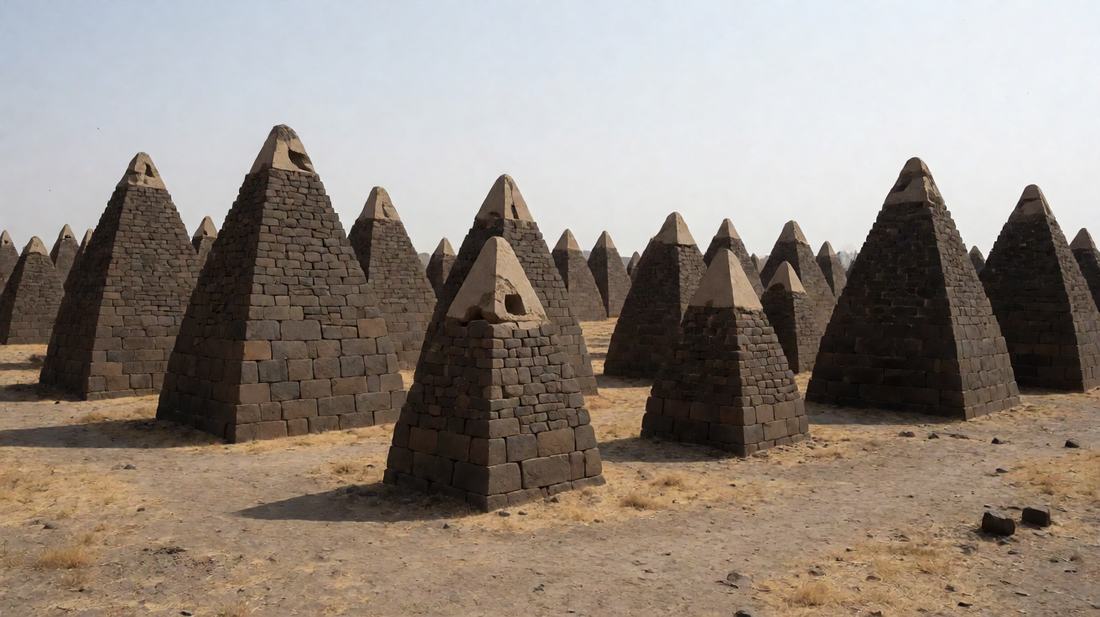
The Kingdom of Kush | Meroe on the Nile
Historical Profile · Nubia, the upper Nile
The Kingdom of Kush | Meroe on the Nile
A Nile kingdom that ruled Egypt as its 25th dynasty, raised more pyramids than Egypt did, and left a script that nobody can yet read.
c. 1070 BC-AD 350
Ruled Egypt
Driven back
Capital
Pyramids
Fell
The big picture
Introduction
The Kingdom of Kush lay along the Nile in Nubia. Nubia is the land that runs south of Egypt. It is one of the oldest states in Africa. For a time it ruled Egypt itself.
Its kings came down the river in about 750 BC. They took the throne of the pharaohs. They governed both lands for almost 100 years. Later the kingdom moved its centre south.
The new capital was a city called Meroe. There it lasted for another 800 years. Its rulers built more pyramids than Egypt did.
Setting
Historical Context
Egypt and Nubia were neighbours and rivals for 2000 years. Egypt took gold, ivory and labour from the south. At times it ruled the whole valley. Nubian leaders took up Egyptian ways. They worshipped Egyptian gods and used the Egyptian script.
They buried their kings under pyramids. That shared culture made the rise of Kush possible. Around 1070 BC the Egyptian state broke apart. Its control of the south ended. A local line of kings took over at Napata.
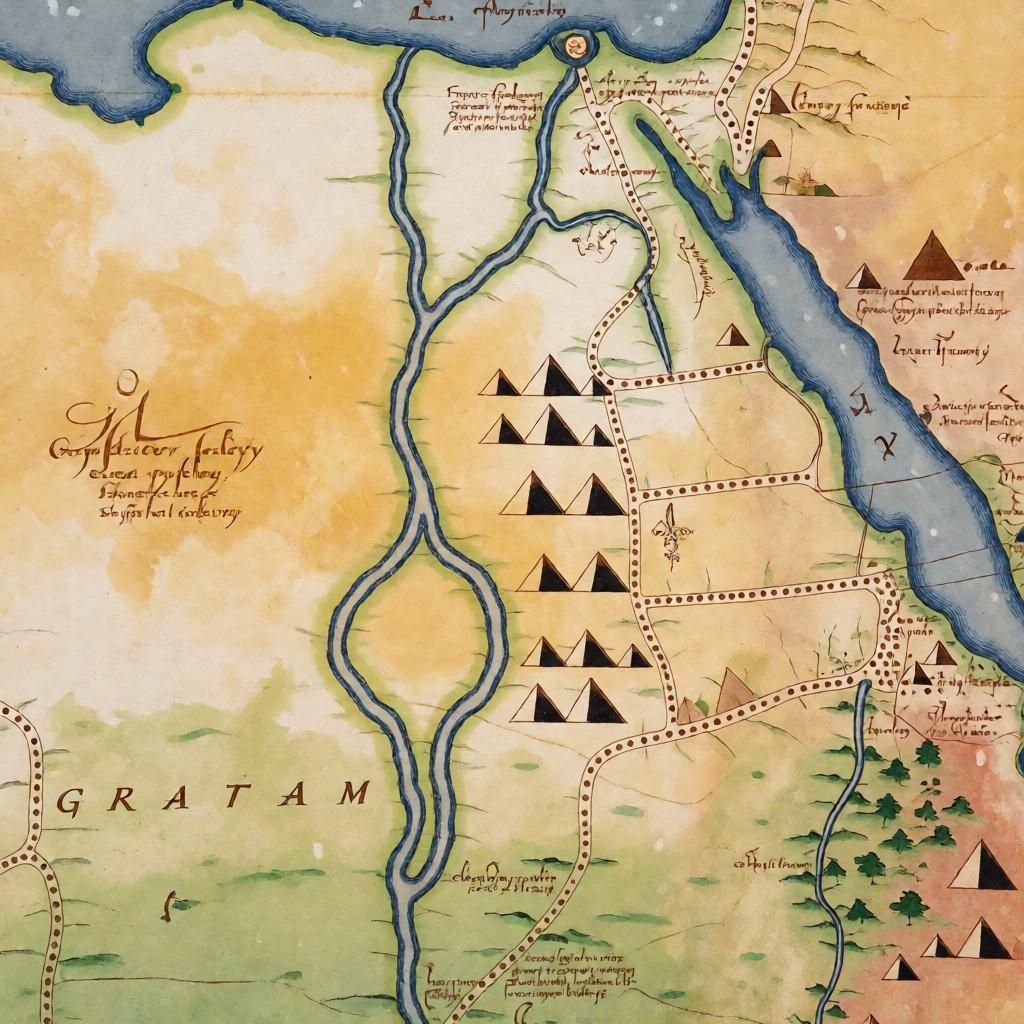
Napata stood near the fourth bend of the Nile. They grew strong on the trade of the valley. They also held the gold of the eastern desert.
Turning points
Key Events
In about 750 BC a Kushite king called Kashta pushed north. His son Piye went further. Piye led an army down the river and took the old capital. He had himself named pharaoh. He went home to Napata. But he left the south of Egypt under his control.
The Kushite kings ruled Egypt as its 25th dynasty. Taharqa built and restored temples across both lands. The dynasty ended in war. In 671 BC an Assyrian army invaded Egypt. By 663 BC it had driven the Kushites back to the south. The kingdom then moved its centre.
About 590 BC the court shifted from Napata to Meroe. Meroe was better placed for trade and further from Egypt. From there the kings ruled a long stretch of the valley. In AD 350 a neighbouring state, Aksum, destroyed Meroe. The kingdom broke up, and its cities were left to the sand.
1
2
3
Who held power
People and Powers
The king was a sacred figure. The kings were buried at Napata under steep pyramids. Later they were buried at Meroe. About 200 pyramids still stand there in groups. The choice of a king needed the approval of the queen mother.
In later centuries queens ruled in their own right. The Egyptians and Greeks called them by a title we know as Kandake. Kush was not a copy of Egypt. Its people had their own language and their own gods. The images of those gods were carved in a style of their own.
Its kings used the forms of Egyptian rule. The state was rich and organised. It had a large capital, a palace and a royal burial ground. It made and traded iron, cloth and pottery.
Everyday world
Daily Life and Society
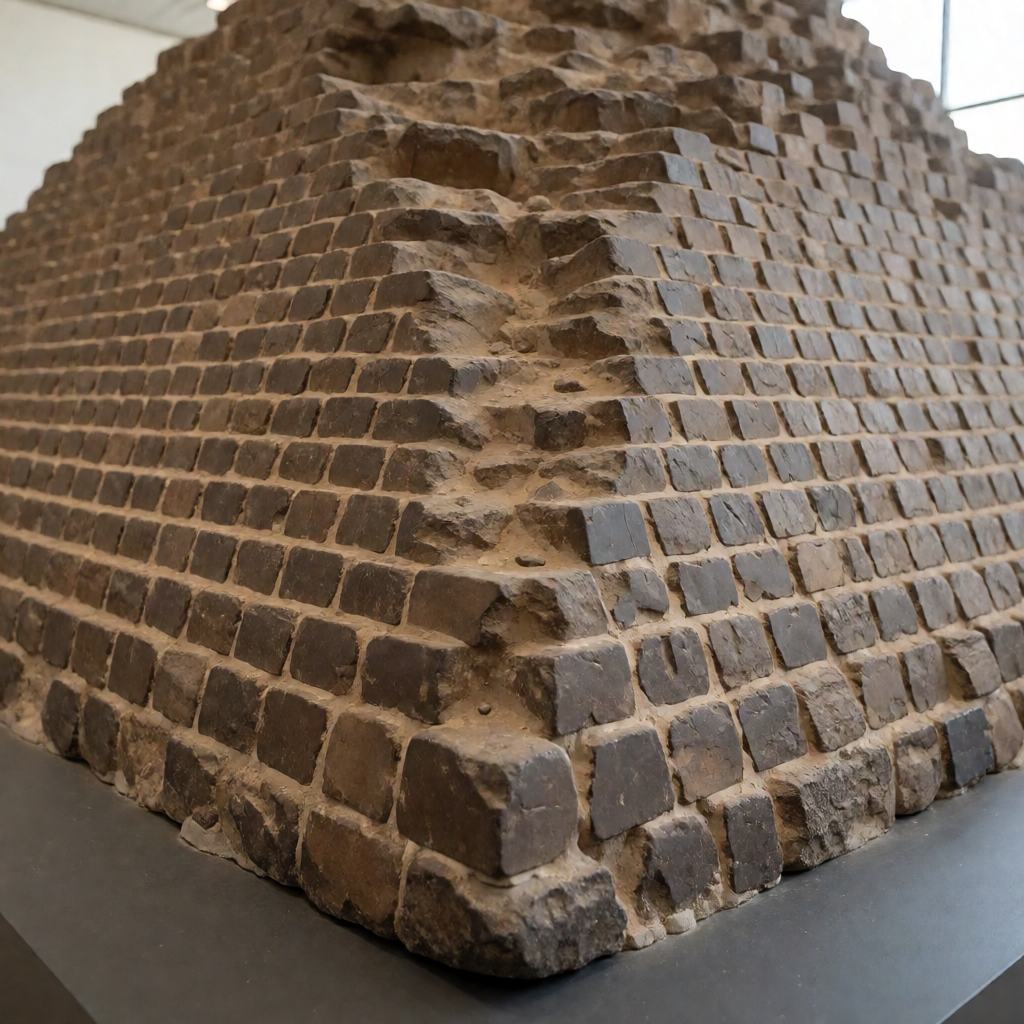
Most people lived by farming along the river. The Nile flood watered the fields. The harvest was taken in and stored. Farmers paid a share to the state. They owed labour for building work. Meroe was a city of mud brick and of stone.
Its houses had courtyards and thick walls. The richer quarters had baths and water channels. The city had a great temple and a royal enclosure. Craft work was central. The workshops of Meroe turned out fine pottery. They worked iron in large quantities.
Some of the iron became tools and weapons. Cloth was woven in the towns. The valley traded with the Red Sea ports. Boats carried people and goods up and down the valley.
Craft and ideas
Trade, Technology and Ideas
Two things set Kush apart. The first is its writing. The people of Meroe used an alphabet of their own. The signs stand for single sounds. They wrote it in two forms. Long texts survive in temples and on tombs. The script was worked out again in the 1900s.
The sounds can be read. The language itself is still not understood. The second is iron. Meroe had iron ore and the timber to make charcoal. Its smiths produced metal on a scale that impressed visitors. The technology spread through the valley and beyond. The kingdom also connected two worlds.
It was close enough to Egypt to share in Mediterranean culture. It was close enough to the Red Sea for trade. Goods came from Arabia and India. Its kings took the title of pharaoh. They built in the Egyptian style. They drew on the skills of Ancient Egypt. The kingdom outlived Egypt as an independent state by 300 years.
What lasted
Legacy
The ruins of Meroe became a world heritage site in 2011. The pyramids stand in the desert, worn down at the top. They are far less visited than the pyramids of Egypt.
Kush matters for two reasons. It shows that the Nile valley produced more than one great state. It also shows a kingdom that took what it wanted from a neighbour.
The script that still cannot be read is a reminder. Much of the past waits for the key that will open it.
Quick hits
Five Things to Remember
- Kush lay along the Nile in Nubia, south of Egypt.
- Its kings ruled Egypt as the 25th dynasty, from about 750 BC.
- The Assyrians drove them back to the south by 663 BC.
- The capital later moved south to Meroe.
- The Meroitic script can be read for sound but not yet for meaning.