 By st20113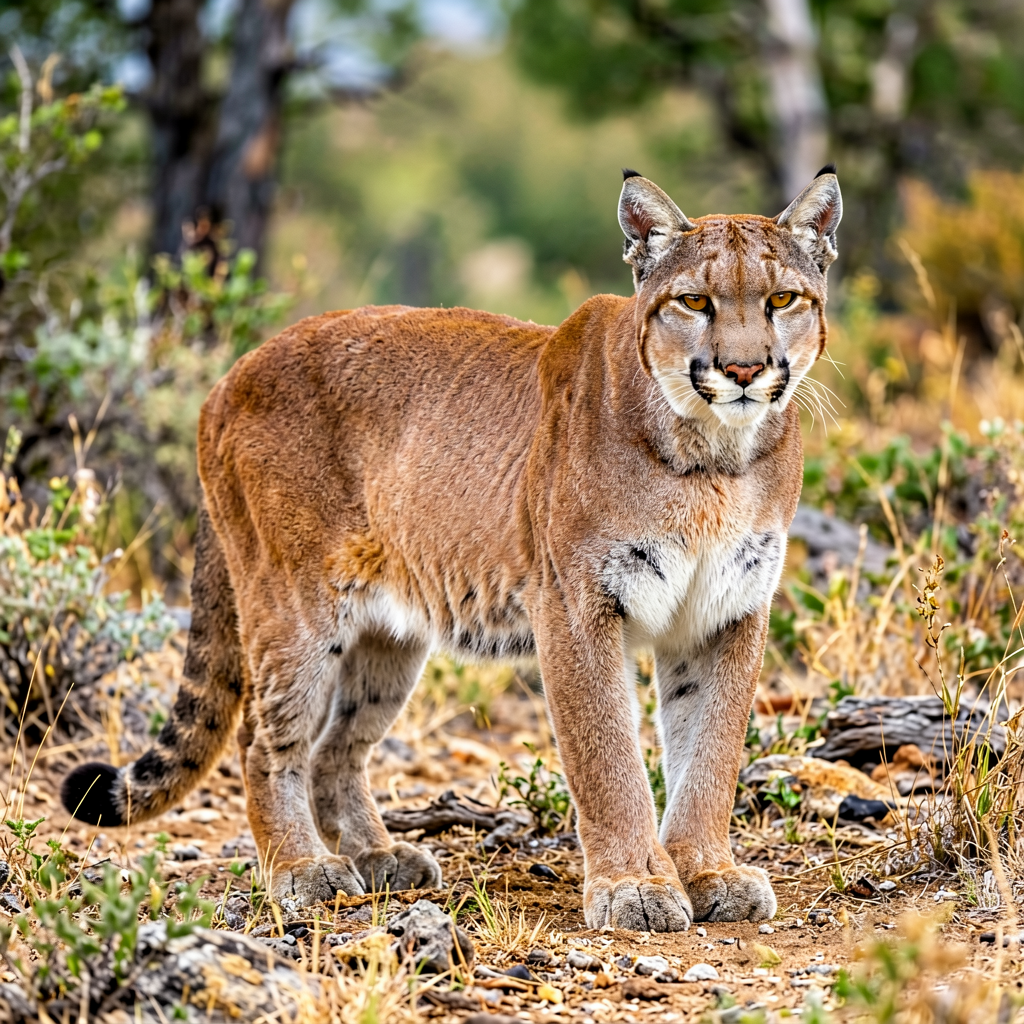
Puma concolor | Mountain Lion
Introduction
The mountain lion, also known as puma, cougar, or panther (Big Cat Species), is one of the most widespread and adaptable wild cats in the Americas. Scientifically classified as Puma concolor, this magnificent predator ranges from the Canadian Yukon to the southern tip of Chile, making it the wild mammal with the largest range in the Western Hemisphere. Despite its common names, the mountain lion is not a true lion but belongs to the genus Puma within the family Felidae. These elusive creatures have long captivated human imagination through indigenous folklore and modern wildlife conservation efforts.
Taxonomy
The mountain lion was first described by Carl Linnaeus in 1771 as Felis concolor. It is the sole member of the genus Puma and is closely related to the jaguarundi. Over thirty subspecies have been identified, though modern genetic research suggests fewer distinct subspecies may exist. The Florida panther (Florida Panther) is one of the most well-known subspecies and has been the focus of significant conservation programs. Genetic studies have revealed that mountain lions are more closely related to smaller felids than to the large roaring cats, challenging traditional classifications.
Physical Description
Mountain lions are the second-largest cats in the Americas, surpassed only by the jaguar. Adults typically weigh between eighty and one hundred twenty kilograms, with males being noticeably larger than females. Their bodies are muscular and agile, built for explosive bursts of speed and powerful leaps that can reach up to five meters horizontally. The coat is short and smooth, ranging in color from tawny yellow to reddish brown, with a lighter underbelly. Unlike many other big cats, mountain lions lack spots as adults, though kittens are born with faint rosettes that fade with age. Their long, thick tail can measure up to three feet and aids in balance during high-speed chases.
Habitat
The mountain lion occupies an extraordinary variety of habitats, from dense tropical rainforests to arid deserts and high alpine meadows. They prefer areas with dense cover for stalking prey and steep terrain for ambush hunting. Rocky canyons, forested ridges, and brush-covered valleys provide ideal living conditions. These cats are solitary and territorial, with males maintaining home ranges that can span hundreds of square kilometers. Habitat fragmentation and human development have become significant threats, particularly in western North America where expanding urban areas encroach upon critical wildlife corridors.
Diet
Mountain lions are obligate carnivores and apex predators within their ecosystems. Their primary prey includes deer, particularly mule deer and white-tailed deer, which make up the bulk of their diet across most of their range. They also hunt elk calves, bighorn sheep, boar, and various smaller mammals such as rabbits and rodents. A single mountain lion can consume approximately fifteen pounds of meat per day. These cats are ambush predators that rely on stealth and short bursts of speed rather than endurance running. They typically kill prey by delivering a precise bite to the back of the head or throat.
Reproduction
Mountain lions reach sexual maturity between one and two years of age. Mating can occur year-round in some populations but tends to peak during winter months in others. After a gestation period of approximately ninety days, females give birth to a litter of one to six kittens, with two or three being most common. Kittens are born blind and completely dependent on their mother. They remain with their mother for about eighteen months before dispersing to establish their own territories. Female mountain lions typically reproduce every two to three years, limited by the extended period of maternal care required.
Conservation
The mountain lion is listed as Least Concern by the International Union for Conservation of Nature, but populations face significant regional threats. Habitat loss, vehicle collisions, and human-wildlife conflict remain the primary dangers. The Florida panther is critically endangered, with fewer than two hundred individuals remaining in the wild. Conservation organizations work tirelessly to establish wildlife corridors, reduce road mortality through underpasses, and promote coexistence strategies with local communities. Captive breeding programs and genetic management have helped stabilize some declining populations, though ongoing monitoring remains essential for long-term survival.
Fun Facts
Mountain lions are one of the few cat species capable of roaring due to a specially adapted larynx and elastic ligament. They can leap vertically up to sixteen feet from a standing position, making them extraordinary athletes among felines. Despite their reputation as solitary hunters, mountain lions have been observed playing and interacting gently with their young. Their powerful jaws can deliver a bite force exceeding four hundred pounds per square inch. The sound they produce ranges from chirps and hisses to a distinctive yelp that resembles human laughter, which likely inspired the nickname “purring devil” used by some indigenous peoples.