 By st20113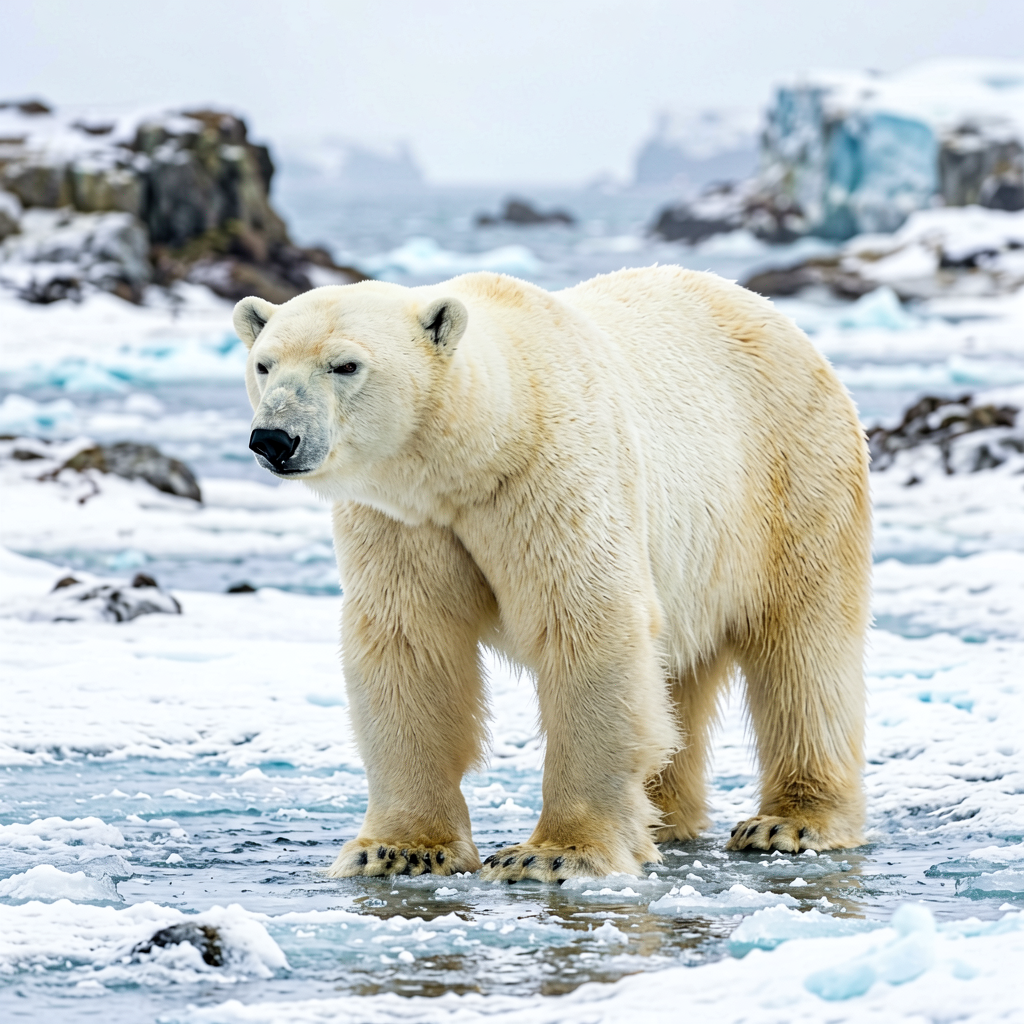
Ursus maritimus | Polar Bear
Introduction
The polar bear (Ursus maritimus) is the largest land carnivore on Earth and the only bear species fully adapted to life in the Arctic. These magnificent animals are iconic symbols of the frozen wilderness, thriving in one of the most extreme environments on the planet. With their distinctive white fur and powerful build, polar bears have captivated humans for centuries and remain a keystone species of the Arctic ecosystem.
Taxonomy
Polar bears belong to the family Ursidae and the genus Ursus. They are most closely related to the brown bear, with which they can interbreed to produce fertile hybrids known as “pizzlies” or “grolars.” Genetic studies suggest that polar bears diverged from brown bears approximately 400,000 to 500,000 years ago. The species was formally described by Carl Linnaeus in 1774, who classified it as Ursus maritimus, meaning “sea bear,” reflecting its strong association with marine environments.
Physical Description
Polar bears are massive animals. Adult males typically weigh between 350 and 700 kilograms, while females are considerably smaller, weighing 150 to 250 kilograms. Their bodies are streamlined for swimming, with a narrow head, elongated neck, and large, slightly webbed front paws that function as paddles. Despite appearing white, their fur is actually translucent and hollow, and their skin underneath is black, which helps absorb solar radiation. Their thick layer of blubber, up to 10 centimeters thick, provides essential insulation against the brutal Arctic cold.
Habitat
Polar bears inhabit the Arctic region, ranging across five countries: the United States (Alaska), Canada, Russia, Greenland (Denmark), and Norway. They are marine mammals in the sense that they spend most of their lives on sea ice, which they use as a platform for hunting, mating, and traveling. Their range extends from the pack ice of the central Arctic Ocean to the coastal areas of the Arctic Archipelago. They are also found in Arctic regions where sea ice persists throughout the year, making them uniquely dependent on this fragile habitat.
Diet
Polar bears are apex predators and almost exclusively carnivorous. Their primary prey is the ringed seal, which they hunt from the ice by waiting at breathing holes. They also prey on bearded seals, harp seals, and occasionally walrus calves or caribou when seals are scarce. A polar bear must consume roughly 1,200 to 1,500 kilograms of seal blubber annually to survive. Their hunting strategy relies heavily on sea ice, and they are capable of swimming for days at a time in search of prey or suitable ice platforms.
Reproduction
Polar bears reach sexual maturity at around five years of age. Mating occurs in spring, typically between March and May. After a delayed implantation period lasting several months, the fertilized egg does not attach to the uterine wall until autumn. Females give birth in dens dug into snowdrifts during November or December. Litters usually consist of one to three cubs, which remain with their mother for about two and a half years before becoming independent. Females are the sole caregivers and are highly protective of their young.
Conservation
The polar bear is listed as vulnerable on the IUCN Red List, with an estimated global population of 22,000 to 31,000 individuals. The primary threat facing polar bears is climate change, which is rapidly reducing Arctic sea ice. As temperatures rise, bears face longer fasting periods, reduced hunting success, and increased human-bear conflicts. Additional threats include pollution, oil and gas development, and overhunting in certain areas. Conservation efforts focus on habitat protection, sustainable management, and global climate action.
Fun Facts
Polar bears can smell seals from over 30 kilometers away and can detect a breathing hole in the ice from nearly a kilometer off. They are excellent swimmers and have been recorded swimming for over 100 kilometers without rest. Despite being classified as marine mammals by the Marine Mammal Commission, they are also considered the largest land carnivore. A polar bear’s bite force is approximately 1,200 pounds per square inch, powerful enough to crush a bowling ball.